We need your help now

Support from readers like you keeps The Journal open.

You are visiting us because we have something you value. Independent, unbiased news that tells the truth. Advertising revenue goes some way to support our mission, but this year it has not been enough.

If you've seen value in our reporting, please contribute what you can, so we can continue to produce accurate and meaningful journalism. For everyone who needs it.

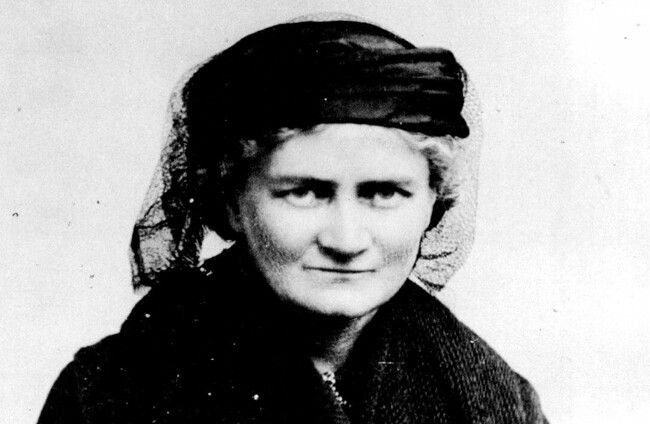
Violet Gibson attempted to kill Mussolini on 7 April 1926. Alamy Stock Photo

Sitdown Sunday: The Dublin woman who shot Mussolini

Settle down in a comfy chair with some of the week’s best longreads.

IT’S A DAY of rest, and you may be in the mood for a quiet corner and a comfy chair.

We’ve hand-picked some of the week’s best reads for you to savour.

1. The Dublin woman who shot Mussolini

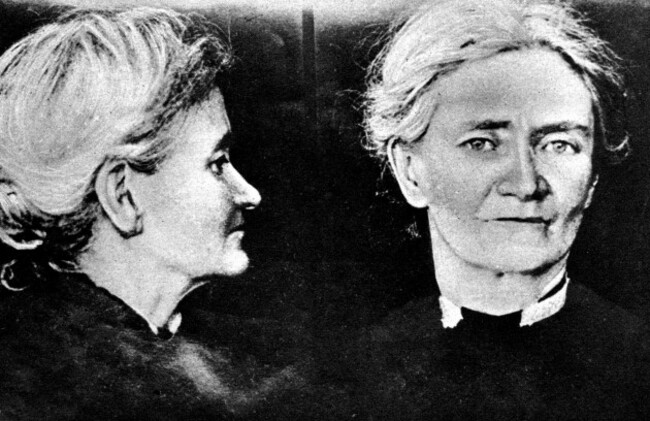
mussolinis-fortunate-escape-from-an-irishwomens-revolver-the-assailantof-signor-mussolini-the-hon-violet-albina-gibson-daughter-of-a-late-lord-chancellor-of-ireland-and-sister-of-a-peer-17-apri Violet Gibson attempted to kill Mussolini on 7 April 1926. Alamy Stock Photo Alamy Stock Photo

Violet Gibson travelled to Rome and attempted to kill Italian dictator Benito Mussolini in 1926. Gibson shot at Mussolini but only hit his nose, she spent the next 30 years of her life in a mental institution. Historian Robert Hume has written about the life of Gibson.

(The Irish Examiner, approx six mins reading time)

 ”Violet Gibson has been ‘dropped down the oubliette of history’, maintains Stonor Saunders, author of The Woman Who Shot Mussolini. It suited the British authorities and her own family to treat her as ‘mad’ rather than acknowledge her as a committed anti-fascist.”

2. Birthright citizenship

irish-passport Alamy Stock Photo Alamy Stock Photo

In 2005 a large majority of Irish people voted to ban birthright citizenship. Now the US is looking at the topic and The New York Times has used Ireland as an example of why banning it isn’t a good thing.

(The New York Times, approx 10 mins reading time)

“The vote came during a period when Ireland’s economy was booming and the quality of life was improving, making the country an immigration destination rather than an exporter of people, as it had been for centuries. Ireland also faced some pressure from the still-young European Union, since it was the only member country to offer birthright citizenship, and citizens of all E.U. countries were now entitled to live and work anywhere within the bloc. But the public debate largely centered on claims that “birth tourism” was leaving maternity hospitals overcrowded. In reality, most non-Irish mothers giving birth were European nationals already entitled to residency, and hospital strains stemmed from underfunding. One study found that immigrants who arrived in Ireland from 1999 to 2004 had more education and fewer children than those who came before or after.”

3. The dark side of Byron Bay

lighthouse-on-cliffside-at-byron-bay-during-golden-sunset Lighthouse on a cliffside at Byron Bay. Alamy Stock Photo Alamy Stock Photo

Many people who have travelled to or lived in Australia will have visited the coast town of Byron Bay in New South Wales. Known for its Bohemian vibe, the town is often seen as the idyllic Aussie surfer paradise. But a new investigation from the Australian national broadcaster alleges that in the 2000s, the town had an insidious culture of public degradation of women, who were often underage.

(ABC, approx 12 mins reading time)

“Ms Kila has waived her right to anonymity to speak out against the culture she grew up in, one in which it became normalised for older boys and men to groom and have sex with girls in their early teens then publicly humiliate them.”

4. What makes Agatha Christie so popular?

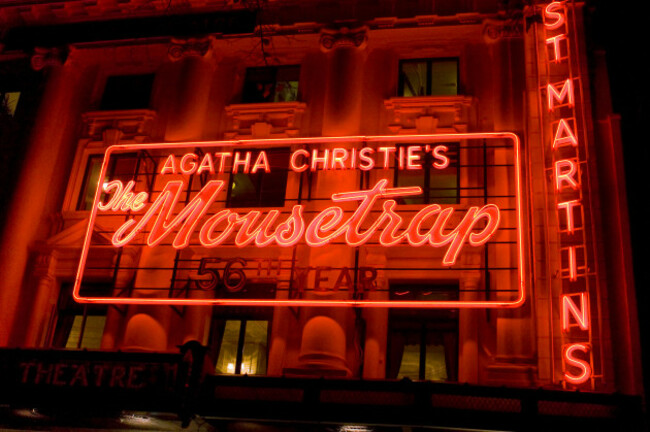
agatha-christies-the-mousetrap-at-st-martins-illuminated-red-neon-sign-london-uk-united-kingdom-england-56th-year Alamy Stock Photo Alamy Stock Photo

This year marks 50 years since the death of one the most famous author’s in the world, Agatha Christie. The authors large collection of detective novels and short-stories have an enduring popularity, making Christie the best-selling fiction author of all time. This article delves into what it is that makes the author’s work so popular.

(The Conversation, approx five mins reading time)

“It seems then, that solving the Christie conundrum requires the embracing of more unexpected possibilities: her style, wit and psychological insight. Her books are easy and pleasurable to read (which contributes to their success in translation), and they are also often funny.”

5. Tracey Turnell

In 2023 Joan Turnell (77) was found pushing a wheelchair in Walthamstow’s Market, inside were the skeletal remains of her daughter Tracey. This tragic longread highlights shares the story of Joan and Tracey, and the repeated failures and lack of safeguarding that led to Tracey’s death.

(The Londoner, approx 30 mins reading time)

“Upon entering the bustling Walthamstow street market, Joan was surrounded by police officers, who asked her to accompany them to a nearby car park, full of fly-tipped garbage and daubed with graffiti. There, nestled underneath the raincoat, a wig and blankets, they found the decomposed, almost skeletal remains of Tracey. Joan was incoherent. From the nearby police station, she asked the officers: ‘Why can’t they just leave us alone? We have been fine, and I’ve been looking after her.’ In her first formal interview, she answered “no comment” to almost every question asked.”

6. Accessing medicinal cannabis

medical-cannabis-for-medical-needs-sticker-on-a-lamppost-in-southwest-london-england Medical cannabis for medical needs sticker on a lamppost in southwest London. Alamy Stock Photo Alamy Stock Photo

Hannah Deacon found medicinal cannabis was the best treatment manage her son Alfie’s rare form of epilepsy. After trying all the recommended options in the UK, she and her family moved to The Netherlands and, after beginning CBD treatment, Alfie’s symptoms began to improve. One year later the family returned to the UK and Deacon began campaigning for change around the laws on medicinal cannabis. But despite the laws having now changed, accessing the medication through the NHS is still difficult.

(The Guardian, approx 17 mins reading time)

“Eventually she plucked up the courage to approach Alfie’s doctors about the possibility of trying Alfie on cannabis. Medical cannabis was illegal in the UK at the time, and Alfie’s doctors stuck to traditional anti-epileptic treatment: drugs, a ketogenic diet, even surgery. Every time Deacon responded with an inquiry about cannabis, she would be shut down. One day, after Deacon asked one particular doctor again about cannabis as an alternative treatment, he put down his pen, peered over at her and muttered: ‘If you speak to me again about cannabis, I am going to report you to social services.’” 

…AND A CLASSIC FROM THE ARCHIVES…

7. The serial killer who sketched his victims

this-pair-of-sketches-provided-by-the-san-francisco-police-department-wednesday-feb-6-2019-shows-what-a-serial-killer-might-look-like-now-in-a-cold-case-involving-at-least-five-stabbing-deaths-of This pair of sketches provided by the San Francisco Police Department shows what a serial killer might look like in a cold case involving at least five stabbing deaths of gay men in the mid-1970s in San Francisco. Alamy Stock Photo Alamy Stock Photo

Kevin Fagan, a reporter for the San Francisco Chronicle, dedicated years to solving the cold case of serial killer who preyed on gay men in the 1970s. The killer, who has killed at least five people, was nicknamed the Doodler by San Francisco police as he sketched his victims before killing them. 

(San Francisco Chronicle, approx 18 mins reading time)

“There have been serial killers before and since. But this one wasn’t like the others. The Doodler snared his victims with his sketches. By all accounts a good-looking young man with real artistic skills, he’d stroll into one of the scores of gay bars in Polk Gulch, the Tenderloin and the Castro. Pick a mark. Knock out a quick sketch of a man. Show him the “doodle” — flatter him, suggest they peel away for sex. Next day, the victim turns up dead on a beach or in a park. Savagely knifed and slashed, over and over. Rage killings. Always in spots known for clandestine gay hookups.”

Readers like you are keeping these stories free for everyone...
A mix of advertising and supporting contributions helps keep paywalls away from valuable information like this article. Over 5,000 readers like you have already stepped up and support us with a monthly payment or a once-off donation.

Close
5 Comments
This is YOUR comments community. Stay civil, stay constructive, stay on topic. Please familiarise yourself with our comments policy here before taking part.
Leave a Comment
    Submit a report
    Please help us understand how this comment violates our community guidelines.
    Thank you for the feedback
    Your feedback has been sent to our team for review.

    Leave a commentcancel

     
    JournalTv
    News in 60 seconds