Sign in. It’s quick, free and it’s up to you.
An account is an optional way to support the work we do. Find out more.
Sign in. It’s quick, free and it’s up to you.
An account is an optional way to support the work we do. Find out more.
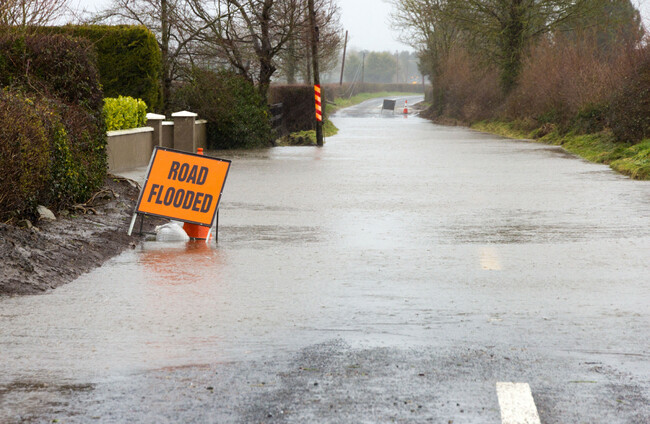
THE GOVERNMENT IS falling far short on delivering the climate measures it has committed to, with just 10 of 74 measures completed over the past three years.
The 74 measures are laid out in the Climate Action Plans for 2023, 2024 and 2025.
The plan for 2026 has yet to be published and is due in Q3 of this year – something opposition politicians have said is “inexcusable”.
A progress report published today by the Department of Climate and the Environment evaluates delivery of the 74 measures committed to in the 2023–2025 plans.
Among the 10 actions completed are the publication of the second Circular Economy Strategy, the completion of 200km of cycling infrastructure and the publication of a new national demand management strategy for transport.
In the report, the Department attributed the delays in the delivery of the remaining 64 measures to a variety of factors, including capacity constraints, the need for consultation, funding and procurement and alignment with other national policies or EU legislation.
It warned that these delays threaten Ireland’s ability to meet its binding emissions reduction targets and risk increasing future climate change, as well as increasing the cost of climate-related spending.
“Increased effort is required if Ireland is to close the gap to meeting targets that it has agreed to,” the report warned.
Reacting to the report, Taoiseach Micheál Martin said it is a “clear reminder that we must move faster”.
“The scale of change required remains significant. We need to continue focusing on delivering high-impact actions to reduce our emissions and strengthen climate resilience,” he said.
Similarly, Climate Minister Darragh O’Brien said there is “no room for delay” and that he will work closely with his colleagues across government to “remove barriers to implementation and to ensure we deliver on our commitments”.
Meanwhile, Labour’s climate spokesperson, TD Ciarán Ahern, said the report shows “just how far away from achieving our climate action targets this government is”.
“We know what we need to be doing, and this government is dragging its feet and missing out on the huge opportunities that a green transition can bring to our society and economy.
“This is simply not the level of urgency that is required for the climate crisis that we are already living through and seeing played out currently in the extreme temperatures and wildfires across Ireland and Europe,” the Dublin South West TD said.
The report noted that agriculture was the highest greenhouse gas-emitting sector in 2025, with responsibility for 36% of all emissions in Ireland.
In 2025, methane made up 70% of the emissions from the agricultural sector, originating mostly from cattle and sheep, and manure management.
Of the two commitments made by the government related to agriculture in the 2023-2025 climate action plans, neither has been achieved.
These commitments were to 1) publish a framework to reduce the cost of feed in the organic livestock sector and 2) to publish a draft carbon farming framework.
The draft carbon farming framework is delayed by over two years and was due to be published by the end of Q2 2024. It is now expected to be published later this year.
Carbon farming is a system of land management that removes carbon dioxide from the atmosphere and stores it in soil and vegetation such as trees and hedgerows.
Some of the other measures the government has not yet delivered include:

To embed this post, copy the code below on your site
















have your say