We need your help now

Support from readers like you keeps The Journal open.

You are visiting us because we have something you value. Independent, unbiased news that tells the truth. Advertising revenue goes some way to support our mission, but this year it has not been enough.

If you've seen value in our reporting, please contribute what you can, so we can continue to produce accurate and meaningful journalism. For everyone who needs it.

Shutterstock

Back to school: How to make your home a study haven, and get back into routine

How to adjust to the changes that come with the back-to-school season.

AFTER BASKING IN the glory of summer, going back to school isn’t always easy, but the start of a new school year is a great opportunity to get your house in order and make sure that you’re giving your kids the best chance both in and out of the classroom.

Obviously, the kids being back in school means there are specific challenges to get on top of: uniforms, PE gear, sports equipment, and equipment for projects, depending on what subjects your kids study. There’s a lot to contend with, and in this week’s edition of the Allianz Home Magazine, we have tips for how you can manage it all.

Helping with homework

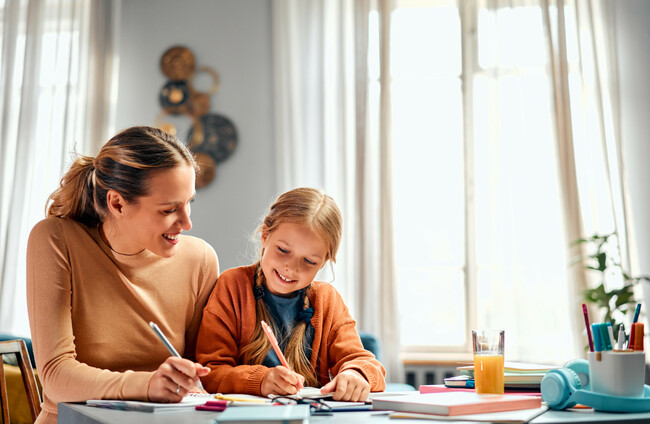
One of the biggest changes that comes with the back-to-school season is the reintroduction of homework to the daily schedule. Naturally, you want to set up a decluttered and distraction-free space for your children so they can focus on their work when they get home. 

Make sure to set up a homework station complete with pens, rulers, and other stationery, with no phones or smart devices allowed at the table. Implementing a timed method can help to ease boredom. This can be something like 25 minutes of work followed by a five-minute break, or an hour of work followed by a 10-minute break, depending on how far into their school life your child is. This will help them focus when they have to work, and incentivise working hard ahead of the break.

Timetables and laundry lists

severalwhiteshirtshungwithhangersinthefleamarket Shutterstock Shutterstock

During the first week, do your best to get a sense of your child’s timetable, particularly with respect to classes like PE — which usually requires having extra gear ready. If your child plays a sport at school, they’ll also need to stay on top of having their jerseys clean. 

Not only that, but with white shirts and dark trousers or skirts to wash, your child’s timetable will very much determine your laundry schedule once school starts back.

The more familiar you are with the timetable, the more prepared you’ll be for making sure everything is ready on the day that it’s needed. Ideally, you’d keep a copy of your child’s timetable on the fridge and keep a whiteboard in a prominent position — perhaps near the homework station — to remind your child of what they have on and what they’ll need for it. 

The whiteboard can also serve as a reminder for your kids, who can use it to tick things off a checklist, such as: ‘Empty gym bag after PE on Wednesday’.

Keeping it together

Make sure that everything has its own place in your home — whether that’s a specific drawer in a chest of drawers for school clothes, a bike helmet hanging on the back of the hall door, or whatever suits you best.

Obviously, when your kids come in from school, uniforms, gear and books will be sent flying everywhere. The more consistency the better when it comes to getting back into the school frame of mind.

Keep a rack in your hall where coats can be kept, and a tray where shoes can be left. Clear a space under the stairs where things like schoolbags, gymbags, and equipment can be deposited when they’re not being used, keeping your home clutter-free.

Keep it goal-focused

It’s much easier for kids to study and do their homework when they feel like they are working towards a goal. At the start of each week or month, have your kids set out a list on their whiteboard of what they want to achieve, and decide together on a fitting reward for that achievement — whether it’s getting a certain grade or simply making an improvement in an area they find difficult.

Having both the goal and the reward on the board will help keep your kids focused and put them in the right frame of mind for a year of success.

Close