Sign in. It’s quick, free and it’s up to you.
An account is an optional way to support the work we do. Find out more.
Sign in. It’s quick, free and it’s up to you.
An account is an optional way to support the work we do. Find out more.
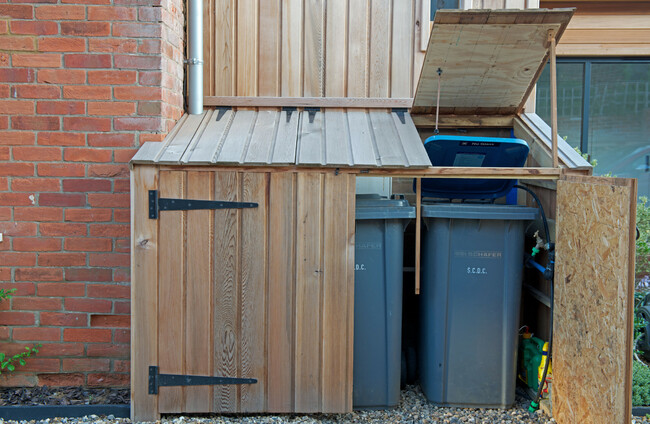
HOMEOWNERS COULD SOON be able to install bike or bin storage units in their front gardens without needing planning permission, under proposed changes brought to Cabinet earlier this week.
The move forms part of a wider memo from Housing Minister James Browne on updating exempted development regulations for residential properties.
While much of the attention has centred on larger garden cabins, a new exemption covering bike and bin storage quietly tackles a long-running issue for cyclists.
Under the proposals, households would be allowed to install storage units at the front or rear of their property, with capacity for up to four adult bicycles, two cargo bikes, or three wheelie bins.
The new exemption will also provide for bin storage at both the front and back of the property.
The Department of Housing confirmed the measure is included in the package, but stressed that limits will apply.
“Bike storage is included in the package of measures but with limitations on size,” department told The Journal, adding that full details will be published during the Oireachtas ratification process.
“Until the new regulations are signed into law, existing planning rules continue to apply,” it added.
Under current regulations, bike sheds and bin storage units can generally be installed without permission only at the rear or side of a property, not “forward of the front wall of the house”.
Structures in front gardens are typically classed as unauthorised development, leaving homeowners open to enforcement action.
Despite this, wheelie bin storage units are becoming increasingly common across towns nationwide, not just among households without rear access, but also for those looking to keep bins out of sight, shield them from the elements, and improve security.
The issue has also sparked controversy in the past.
In 2022, a Clontarf couple were refused permission to retain a small bike storage unit in their front garden, with planners citing “visual clutter” and harm to the surrounding streetscape, a decision criticised by local councillors.
Cian Ginty, editor of IrishCycle.com, said the proposed exemption on bike sheds in front gardens is a much-needed response to a problem that has long affected people cycling in urban areas.
“For a lot of people, especially those without rear garden access, having storage at the front of the house makes things far more practical,” Ginty said.
“It also makes bikes more secure and protects them from the elements, which helps them last longer and reduces maintenance.”
Ginty said the current system has led to unnecesary planning disputes, with relatively minor structures triggering lengthy reports and enforcement action.
“This isn’t just a tick-box change, it’s been a real issue,” Ginty said.
“There have been cases where planners have spent huge amounts of time dealing with complaints about bike sheds, which seems like a poor use of resources.”
He also pointed to inconsistencies in enforcement, noting that some homeowners have resorted to unusual workarounds.
“There have been cases where people were effectively told that if they replaced a bike shed with a roadworthy trailer like a horse box, planners couldn’t act,” he explained.
“So you end up with something much bigger and more visually intrusive, which is a bit absurd.”
The new rules are expected to provide greater certainty. While size limits will still apply, homeowners who stay within them should be confident they are compliant.
“That’s a big part of it, people will know where they stand,” Ginty said.
However, questions remain over whether the allowances will be sufficient, particularly for families using cargo bikes, which require more space.
The changes form part of a broader push by government to cut planning red tape and free up resources for larger housing developments.
For cycling advocates, though, the front garden exemption is a long-overdue shift.
“It’s just a normal form of transport in Dublin and lots of other cities across the country nowadays for a significant proportion of people” Ginty said.

To embed this post, copy the code below on your site













have your say