Sign in. It’s quick, free and it’s up to you.
An account is an optional way to support the work we do. Find out more.
Sign in. It’s quick, free and it’s up to you.
An account is an optional way to support the work we do. Find out more.
LAST UPDATE | 19 Mar 2025
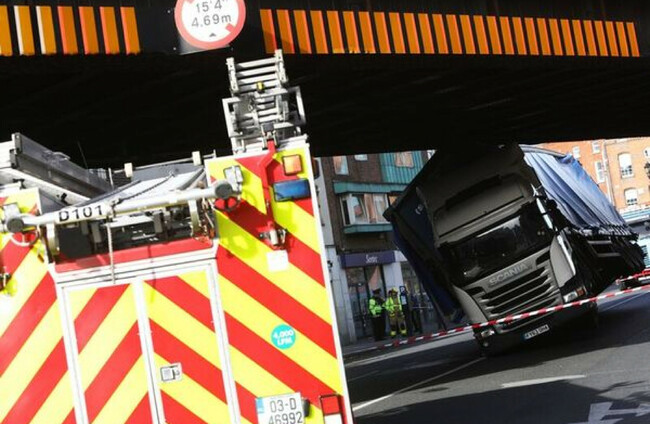
IARNRÓD ÉIREANN IS planning new “bridge strike cameras” in a bid to tackle delays to services caused by vehicles colliding with railway bridges.
There were 80 such incidents nationwide last year.
In a market consultation document published last week, the rail company said the new systems will be focused initially on the Dublin suburban rail network.
It already has similar systems in place at four bridges and wants to expand this to at least a further 15, a spokesman said this morning.
After a reported strike, it will use the new cameras to help it assess bridges – the approach, underside and tracks – to determine the severity of the incident.
This will help it make “informed judgement calls” on the actions needed to recommence train services as quickly as possible, reducing delays.
Procurement for the new system has not yet begun. Iarnród Éireann indicated in its market consultation document that it hopes the new system will be powered by battery or solar power and require minimal construction works to install.

Dublin city Green Party councillor Feljin Jose said the proposed cameras could reduce delays after minor strikes – but added that drivers need to take more care not to hit railway bridges.
He added that more should be done to prevent bridge strikes in the first place.
Irish Rail told The Journal there were 80 bridge strikes last year.
This was down from 95 in 2023, but still up significantly on figures before the pandemic, with 69 incidents recorded in 2019.
In its 2023 annual report, the rail company said that the number of serious or potentially serious incidents had decreased, with “a number of technological solutions implemented in high risk areas”. These included advanced warning lights.
The company spokesman said rail is the safest form of land transport and technology for infrastructure maintenance is helping make it “safer still”.
“For example, drones can be used as part of the inspection regime for everything from coastal erosion assessment ot bridge assessments,” he said.

To embed this post, copy the code below on your site














have your say