Sign in. It’s quick, free and it’s up to you.
An account is an optional way to support the work we do. Find out more.
Sign in. It’s quick, free and it’s up to you.
An account is an optional way to support the work we do. Find out more.
FINDING THE RIGHT car for your needs, lifestyle and budget can be a tricky process. We want to help streamline the search. As part of our Insights series, every week we’ll take a different car-buying question to the experts at the heart of the motor industry.
This week, we asked Brendan Kelly, Dealership Manager at Windsor Bray Nissan for the inside track on buying from a private UK dealer. Here he shares some important questions that you should consider first.
One of the things you need to keep in mind is that you’re really only paying for one small part of the process – you have to physically transport the vehicle from the UK to Ireland and you have to get there yourself. Especially if it’s a high end vehicle, there may be substantial Vehicle Registration Tax (VRT) on it or need considerable work done.
If you’re interested in one particular model, there could be five different variations when you put it into the VRT calculator. The difference in VRT can be huge with brands like BMW or higher end cars.
Anything that changes on the spec can cost more as it can have an impact on the CO2 emissions, hence the tax goes up as it’s more damaging. For example, if the car should have 16 inch alloys but has 19 inch alloys it can have a huge impact as it changes the fuel efficiency.
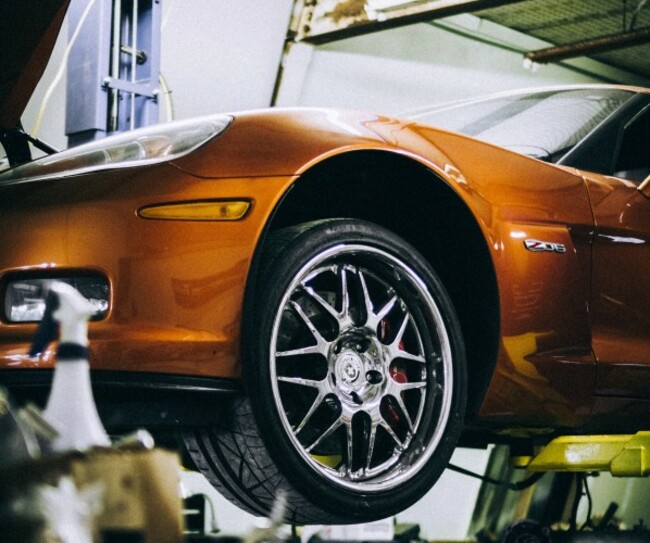
We’re seeing more people going to the UK as private customers who will buy a car because it shines and is lovely looking, then bring it back and what they think is going to be an oil change can be far more substantial. I’ve seen costs of €700 for new tyres on top of anything else or a second key for a car can be €300, a lot of people don’t think of it.
The issue is that the consumer is going into the car dealer world when they’re not car dealers. They don’t know the pitfalls and are spending huge sums of money with no experience and no real way of knowing what they’re buying. At a dealer we will do numerous checks on the car and ensure it was never in an accident, and certify it.
The thing about buying a car from the UK is that they have different insurance issues, which can hugely affect your resale value. There are so many different types of accidents and in England, the ‘insurance alerts’ are more layered, meaning you could have a less serious accident.
In Ireland we only really have a write-off, which would be virtually unsellable, and no one will want to buy. We wouldn’t touch a car that has an insurance alert as it’s impossible to stand over it. If you haven’t repaired it, you don’t know the level of damage. We can’t certify a car when we don’t know its history.
Sometimes people don’t consider that once you drive it away and it crosses the border, if anything goes wrong, it’s the customer’s problem. If you buy from a dealer here, once you pay the agreed sum you’re not being asked to put your hand back in your pocket if things do go wrong.
Your car will be fully protected and certified for a year, and up to three years if you want. It will be guaranteed for an NCT and some dealers offer free roadside assistance – it’s nearly the full coverage you get when you buy a new car. Buying from a private seller means you have no warranty unless the car still has the manufacturer’s warranty.

Definitely a huge thing to be careful of when you’re looking at a car is to check the mileage. I would hear a couple of times a week about customers buying privately and the mileage they were told just couldn’t be accurate – a car that have supposedly only done 6,000 or 7,000 kilometres but that needs brake pads.
It’s guaranteed that some people are buying cars that have more mileage than they were told. With the likes of myself, private sellers would know they wouldn’t get away with it with dealers as we drill down to find out the full history of a car.
Insurance companies will do their checks too and if they find out there’s a write off in the car’s history, they won’t be willing to insure it. Most people think, ‘that car looks grand and it’s only two years old. What could be wrong?’ But a lot could be wrong.
Say you’re going to buy a Ford Focus. We’re asking for €16,000 and they can buy it for £10,000 in the UK. They’ll ask, ‘Why are you charging me €16,000?’. But they forget that you have to transport the car, get there yourself, service the car and at the end of all that have no warranty and no checks so it’s a minefield. That difference in price isn’t profit, it’s the cost of putting that car on the road.

To embed this post, copy the code below on your site










have your say