We need your help now

Support from readers like you keeps The Journal open.

You are visiting us because we have something you value. Independent, unbiased news that tells the truth. Advertising revenue goes some way to support our mission, but this year it has not been enough.

If you've seen value in our reporting, please contribute what you can, so we can continue to produce accurate and meaningful journalism. For everyone who needs it.

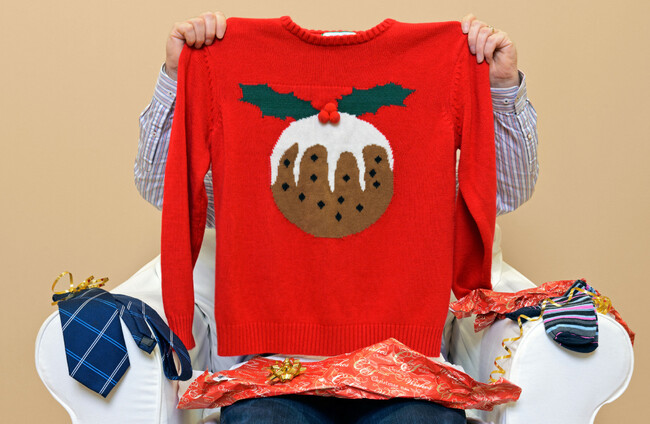
The CCPC asked over 1,000 people what they would be most likely to do if they got a Christmas gift they didn't want. Alamy Stock Photo

What do you do with unwanted Christmas presents? One in three people gift them to someone else

Only 5% of people would ask for a receipt in order to exchange an unwanted gift, according to the Competition and Consumer Protection Commission.

ONE IN THREE people would regift an unwanted Christmas present if they didn’t have a receipt for it, according to a new survey by the Competition and Consumer Protection Commission (CCPC).

The survey, which interviewed a sample of 1,012 people, also found that more than two in five (42%) people never include a gift receipt when giving gifts during the festive season. 

This rises to over half (52%) when looking exclusively at men. 

Grainne Griffin, communications director at the CCPC, said that while over half of consumers said they include a gift receipt at least some of the time, “that still leaves a significant number who never include a receipt”.

“This makes it harder to return or exchange unwanted gifts and can leave many unsure about what to do with their unwanted presents,” she said. 

The research found that men are almost twice as likely as women to use an unwanted gift, at 19% and 10%, respectively.

Some 17% of those surveyed said they are likely to donate an unwanted gift to charity or fundraising events, while 10% will either leave it unopened in storage or dump it.

People are also more likely to donate an unwanted present to a charity as they get older. Survey respondents aged 55 or older were more than three times as likely to do so than those aged under 35 (24% vs 7%).

Only 5% of those surveyed said they would ask for a receipt from someone in order to exchange an unwanted gift that they gave them. Some 3% said they would sell it, and only 1% said they would dump it. 

The CCPC said that for gifts bought online, consumers have a right to cancel for up to 14 days, but this window begins when the gift is delivered by the retailer, not from when it’s gifted.

While businesses are not legally obligated to accept an unwanted gift because someone changes their mind, many stores have returns policies that allow gifts to be returned, with some offering extended return periods throughout January – but they will usually need a receipt. 

For faulty goods, Irish consumers are protected for up to six years, with the original retailer responsible for resolving the issue.

The CCPC said these rights are strongest in the first 30 days and the first year after the purchase, but they will also usually need a receipt when taking it back. 

Readers like you are keeping these stories free for everyone...
A mix of advertising and supporting contributions helps keep paywalls away from valuable information like this article. Over 5,000 readers like you have already stepped up and support us with a monthly payment or a once-off donation.

Close
7 Comments
This is YOUR comments community. Stay civil, stay constructive, stay on topic. Please familiarise yourself with our comments policy here before taking part.
Leave a Comment
    Submit a report
    Please help us understand how this comment violates our community guidelines.
    Thank you for the feedback
    Your feedback has been sent to our team for review.

    Leave a commentcancel

     
    JournalTv
    News in 60 seconds