Sign in. It’s quick, free and it’s up to you.
An account is an optional way to support the work we do. Find out more.
Sign in. It’s quick, free and it’s up to you.
An account is an optional way to support the work we do. Find out more.
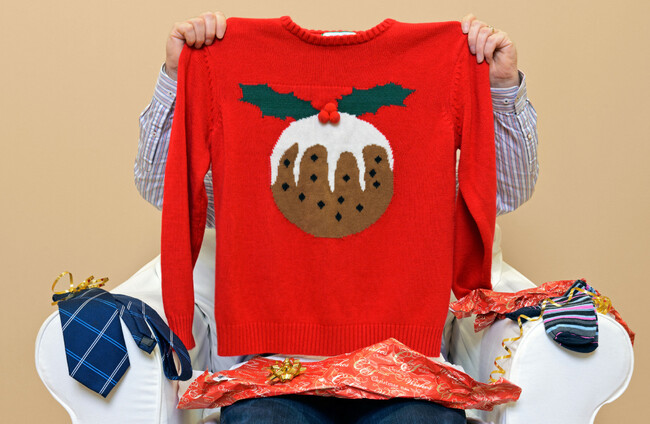
ONE IN THREE people would regift an unwanted Christmas present if they didn’t have a receipt for it, according to a new survey by the Competition and Consumer Protection Commission (CCPC).
The survey, which interviewed a sample of 1,012 people, also found that more than two in five (42%) people never include a gift receipt when giving gifts during the festive season.
This rises to over half (52%) when looking exclusively at men.
Grainne Griffin, communications director at the CCPC, said that while over half of consumers said they include a gift receipt at least some of the time, “that still leaves a significant number who never include a receipt”.
“This makes it harder to return or exchange unwanted gifts and can leave many unsure about what to do with their unwanted presents,” she said.
The research found that men are almost twice as likely as women to use an unwanted gift, at 19% and 10%, respectively.
Some 17% of those surveyed said they are likely to donate an unwanted gift to charity or fundraising events, while 10% will either leave it unopened in storage or dump it.
People are also more likely to donate an unwanted present to a charity as they get older. Survey respondents aged 55 or older were more than three times as likely to do so than those aged under 35 (24% vs 7%).
Only 5% of those surveyed said they would ask for a receipt from someone in order to exchange an unwanted gift that they gave them. Some 3% said they would sell it, and only 1% said they would dump it.
The CCPC said that for gifts bought online, consumers have a right to cancel for up to 14 days, but this window begins when the gift is delivered by the retailer, not from when it’s gifted.
While businesses are not legally obligated to accept an unwanted gift because someone changes their mind, many stores have returns policies that allow gifts to be returned, with some offering extended return periods throughout January – but they will usually need a receipt.
For faulty goods, Irish consumers are protected for up to six years, with the original retailer responsible for resolving the issue.
The CCPC said these rights are strongest in the first 30 days and the first year after the purchase, but they will also usually need a receipt when taking it back.

To embed this post, copy the code below on your site













have your say