Sign in. It’s quick, free and it’s up to you.
An account is an optional way to support the work we do. Find out more.
Sign in. It’s quick, free and it’s up to you.
An account is an optional way to support the work we do. Find out more.
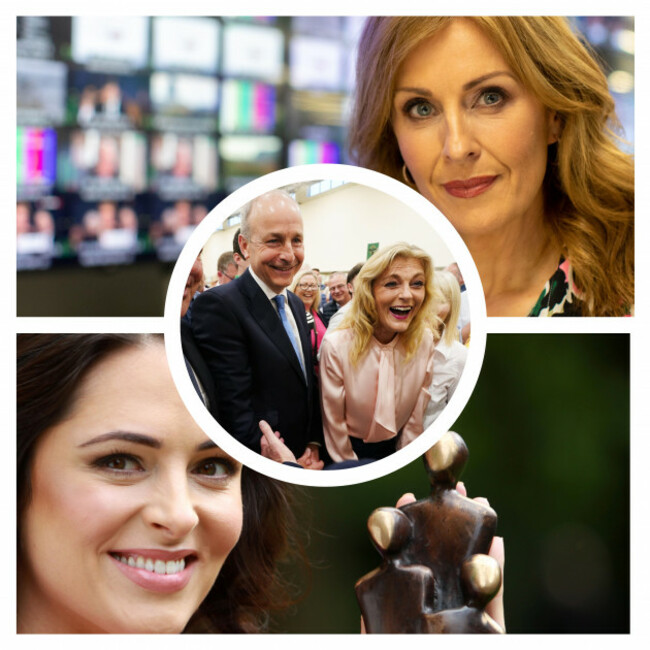
EARLIER THIS WEEK, it was announced that journalist Alison Comyn will contest the next general election as a Fianna Fáil candidate in Louth.
The former Sky News and UTV Ireland presenter is the latest well-known name in the new crop of ‘celebrity candidates’ to be wooed by a political party.
The European election saw at least seven people who might broadly be categorised as ‘celebrity candidates’, which included former RTÉ correspondent Ciarán Mullooly, who won a seat in the Midlands North-West constituency.
Joining him from the celebrity ranks in the constituency was sitting MEP and former Rose of Tralee winner Maria Walsh, with Fine Gael repeating the trick with former jockey and TV personality Nina Carberry, who was also successful in winning a seat.
In terms of Fianna Fáil, it is understood that the success of former RTÉ journalist and Eurovision host Cynthia Ní Mhurchú being elected to the European Parliament for Ireland South struck a chord with the party.
Some sources told The Journal that “Cynthia is the model” in terms of the pathway to success party HQ saw was possible.
There are now attempts to repeat that success with the likes of Comyn, along with TV presenter Gráinne Seoige, who is also expected to contest the upcoming Fianna Fáil selection convention in Galway West this month.
Celebrity and politics is not a surprise combination in Ireland.
In the past, former Eurovision winner and presidential candidate Dana Rosemary Scallon was elected as an Independent in 1999. Five years later, former RTÉ journalist and presenter Mairead McGuinness was elected to Europe, this time as a Fine Gael candidate, and was appointed to the European Commission in 2020.
So is this a concerted strategy that Fianna Fáil is attempting to tap into for the general election?
Sources in the party said they wouldn’t dub it a ‘strategy”, but described it as a definite positive.
It is acknowledged that one shortcut to name recognition on a ballot paper is being known to the public already. Name and face recognition is seen as one pathway to getting seats for the party in the next election.
The Journal understands that Fianna Fáil party leader Micheál Martin asked HQ, as well as a lot of TDs and grassroots cummans to get involved in identifying women in particular who are leaders in their community.
He asked that these people would be “well known” for doing particular things and active in the community. “It came from there,” said one source.
Another party source said it is partly driven by the gender quota, stating that the party has no problem attracting lots of male aspiring TDs, but the party may need to look beyond the traditional circle for female candidates.
Under the rules for the upcoming general election, there is a 40% gender quota for political parties running for election to the Oireachtas. The quota system allows for a party’s state funding to be cut by half if it fails to meet that mark, so the pressure is on.
Fianna Fáil hasn’t covered itself in glory when it comes to gender balance on the ticket, with the party coming bottom of the class in terms of the number of women candidates it ran in the local elections.
But how palatable is it for the party members at local level when a candidate is parachuted in and added to the ticket?
Speaking this week, Comyn batted away suggestions that she has been “parachuted in” by the party, despite the fact she was chosen after a selection convention had already taken place earlier this month.
At the convention, out of four potential nominees including Louth councillors Seán Kelly, Emma Coffey and John Sheridan, Senator Erin McGreehan was chosen to run for the party in the general election.
Speaking to The Journal, Coffey said that she has no hard feelings about Comyn being chosen by party officials as a second candidate outside of the selection process.
“There wasn’t a convention for the second candidate, but that’s not unusual. Politics is politics, this is what happens.
“People above the local organisation made the decision so you have to accept that as a professional politician,” Coffey said.
“Do I think somebody should have been added who put their name forward? Absolutely but we’re not the people who decide what’s the best ticket. That was a decision made in HQ for whatever reason and as a party member I have to accept that.”
Other Fianna Fáil councillors in the county were less impressed however.
One councillor told The Journal that the situation was very frustrating and that there has been a number of conversations with party HQ about the decision.
“They say it’s all about putting the best ticket forward for the party and that’s that,” the councillor, who did not wish to be named, said.
“This is the new approach political parties are taking, and whether it’s the right thing to do or not it’s happening,” they added.
They also made the point that in terms of geography the decision does make sense – the three other nominees at the convention are all from the north of the county where as Comyn is from the south in Drogheda.
A senior source in the party said no sitting TD likes anyone added to the ticket as they are often seen as a threat, but they added that the party has always tried to get the best people on tickets and won’t apologise to anyone for getting people who are well-known to run for the party.
It is understood that constituency committees are in constant contact with party members, but ultimately the party wants the best possible tickets and it also needs to ensure it meets the 40% gender target.
While it isn’t always popular, it is sometimes necessary, concluded this source.
To embed this post, copy the code below on your site









have your say