Sign in. It’s quick, free and it’s up to you.
An account is an optional way to support the work we do. Find out more.
Sign in. It’s quick, free and it’s up to you.
An account is an optional way to support the work we do. Find out more.
LAST UPDATE | 6 Sep 2022
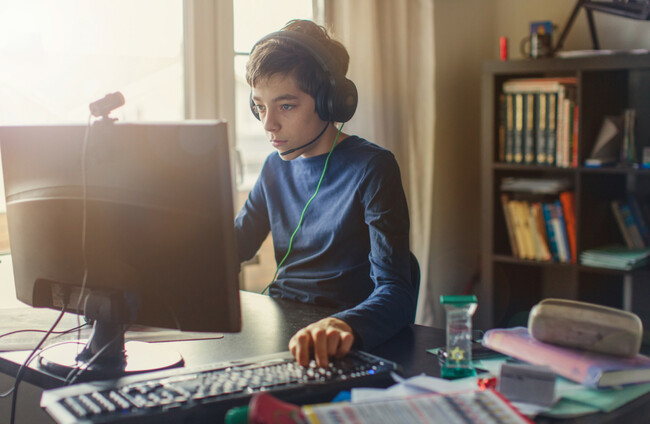
A MAJOR NEW survey has found that 95% of 8-12-year-olds own their own smart device and over a third (34%) can go online ‘whenever they want’.
A report by CyberSafeKids’ asked 4,500 children aged between eight and 12 about their internet safety habits.
Of those surveyed, 87% reported having their own social media and/or instant messaging account, despite minimum age restrictions of 13 on all the most popular apps. Some 15% reported having ‘no rules’ in place at home for going online.
Almost one-in-three pre-teen boys are playing over-18s online games, the survey also found.
Other findings include:
CyberSafeKids’ CEO, Alex Cooney, said:
“This year’s data shows that our young children are being exposed to vast amounts of inappropriate content that can be violent, disturbing, and sometimes of a sexual nature.
“Makers of video games and owners of the big social media platforms need to be doing much more with the vast profits they’re making, to monitor harmful content on their services, especially when it relates to a child.
“We are contacted by members of the public with stories relating to children having negative experiences online – bullying, grooming, exposure to inappropriate content. We urge the Government to put in place legislation that will meaningfully hold the online service providers to account when things go wrong for a child online and we are calling on it to invest more resources to support parents and educators.”
Snapchat Threats
One incident recently reported to the charity involved sexually explicit and aggressive language on a Snapchat group set-up by a group of sixth class children from different schools starting at the same secondary school.
One mother (Sinéad) whose child was involved said reading the explicit threats of physical assault and rape of her son was “stomach-turning”.
“We were able to take immediate action because of three things - my son told me what was happening, the intervention of the school who took a zero-tolerance approach to online bullying and some of the parents of other children involved also took action and we were united in our approach.”
CyberSafeKids Advisor, Professor Brian O’Neill of TU Dublin, said: “CybersafeKids is calling for a national campaign to raise awareness amongst parents and teachers to provide them with the information and support they need to help ensure children have safe and positive experiences online.
“Whilst it welcomes Government plans to pass the Online Safety and Media Regulation bill, it urges that key changes be made including the inclusion of an individual complaints mechanism to give minors greater powers over content that has caused them harm and a stronger incentive to social media and gaming platforms to remove this content quickly and efficiently.”

To embed this post, copy the code below on your site















have your say