Sign in. It’s quick, free and it’s up to you.
An account is an optional way to support the work we do. Find out more.
Sign in. It’s quick, free and it’s up to you.
An account is an optional way to support the work we do. Find out more.
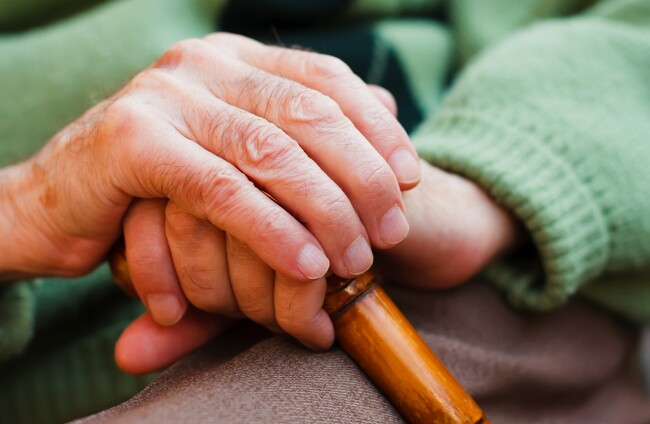
THE GOVERNMENT HAS warned that some people aged over 70 are not following advice on cocooning.
People over 70, who are among the groups most at risk from Covid-19, have been asked to cocoon - to stay at home at all times and avoiding face-to-face contact in a bid to prevent them contracting the virus.
At a press briefing this morning, Elizabeth Canavan from the Department of the Taoiseach said that the government understood that many people aged over 70 “are attending post offices to collect their pension and pay utility bills”.
There are currently over 460,000 people aged over 70 in the country who receive a pension.
“There are alternatives available,” Canavan said, “such as the ability to nominate an agent to collect their pension which is now paid fortnightly”.
“It’s also important to note that the payment will remain valid for collections in the post office for 90 days after the date of issue, and therefore a number of payments may be collected at the same time where possible,” she said.
Today, the government also announced that it would be extending the fuel allowance season will be extended by another four weeks – from 10 April to 8 May.
Over 370,000 people are currently receiving the fuel allowance payment, which sees people receive €24.50 per week for 28 weeks
“During this time of unprecedented difficulty for our people, we must ensure that our older and more vulnerable groups are as comfortable as possible, as people adhere to Government instruction in order to stay safe,” Minister for Finance Paschal Donohoe said in a statement.
Cocooning, according to the government advice, includes avoiding contact with someone who is displaying symptoms of Covid-19 and asking people not to leave their homes or to attend any gatherings.
People who are cocooning should not go out for shopping and should have food or medication deliveries left at their door to minimise contact.
However, visits are permitted from people who provide essential support including healthcare and personal support.

To embed this post, copy the code below on your site
















have your say