Sign in. It’s quick, free and it’s up to you.
An account is an optional way to support the work we do. Find out more.
Sign in. It’s quick, free and it’s up to you.
An account is an optional way to support the work we do. Find out more.
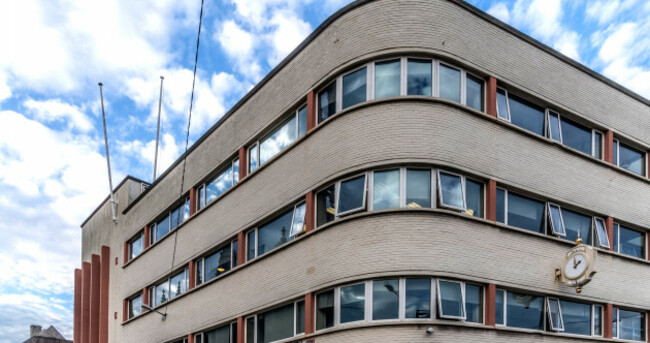
AS IRELAND’S SECOND city, Cork boasts a rich architectural history. From the grandeur of the old Roches Stores building to the redbrick front of The English Market, the city is full of iconic buildings and shopfronts.
But what about the buildings that go unnoticed or underappreciated? Those that deserve a closer glance or some added context as to what makes them so special.
With that in mind, we have rounded up some unsung architectural gems from the People’s Republic of Cork.
Situated in Fitzgerald Park, the President and Lord Mayor’s Pavillion was built in 1901 ahead of the Cork International Exhibition in 1902. The Art Nouveau-inspired building hosted visiting dignitaries and distinguished guests for the duration of the exhibition.
Designed by Arthur Hill, the pavillion was restored and reopened by Cork City Council in 2014.
On the site of the former Beamish & Crawford brewery is The Counting House, a most striking building with a Tudor-style facade. It is believed to have been designed by Houston & Houston, a London-based architect firm, and has been standing since around 1918.
Last month, the Irish Examiner reported that planning permission has been granted to turn the building into office space. Fortunately, the building’s unique exterior will be maintained.
The Church of Christ The King was constructed in 1927 and completed in 1931. The church was designed by Chicago-based architect Barry Byrne, who studied with the legendary architect Frank Lloyd Wright.
Meanwhile, the 19ft statue of Jesus Christ at the entrance was designed by American architect John Storrs.
The innovative structure was ahead of its time. It holds the distinction of both being the first church in Ireland to be built from concrete and the first church to be designed by a foreign architect.

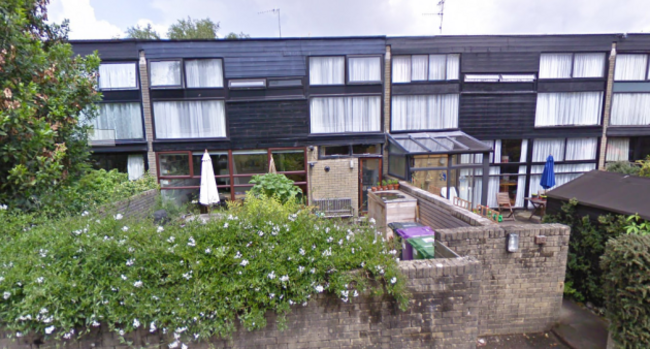
This housing development is frequently cited as an example of Modernist architecture. The development consists of thirty-six houses and two central courtyards.
It was designed by Neil Hegarty in the 1960s. Hegarty was said to have been heavily influenced by his travels around the United States, particularly Lafayette Park in Detroit.
He went on to win the RIAI Gold Medal for his work on the development and later became Cork City Architect.
Located in the city centre, St. Francis’ Church was constructed in the late 1950s. The red brick church is built in the Byzantine style and was designed by Jones & Kelly, who were also behind Cork City Hall.
Though it may look somewhat modest on the outside, it’s known for its resplendent interiors. This bright, welcoming church contains artwork designed by Italian artist Umberto Noni and is a veritable feast for the senses.
Once upon a time, Arthur Mayne’s was a pharmacy in Cork City. It has since been transformed into a hip bar, but retains the original facade.
Designed by renowned architect Frank Murphy around 1960, the mosaic exterior is black and accented with gold tiles. It remains of the most unique and distinctive shopfronts in the city.
For more information on architecture around Cork, read A Guide to Cork’s 20th Century Architecture by Tom Spalding.

To embed this post, copy the code below on your site




have your say