Sign in. It’s quick, free and it’s up to you.
An account is an optional way to support the work we do. Find out more.
Sign in. It’s quick, free and it’s up to you.
An account is an optional way to support the work we do. Find out more.
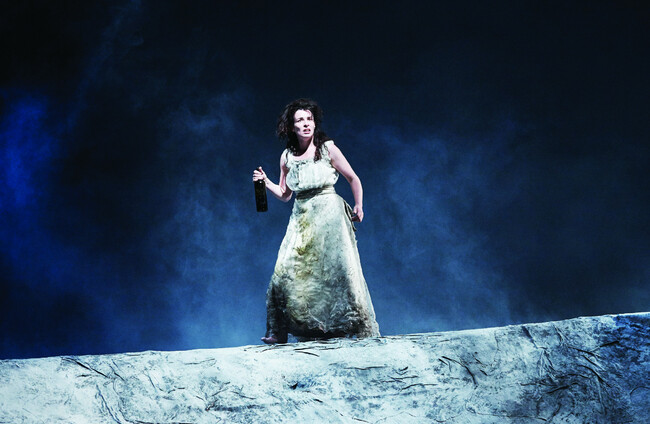
FOR ALMOST 120 years, the Abbey Theatre has been a cornerstone of Irish theatre and the wider arts community. Founded by writer and poet W. B. Yeats and dramatist Lady Gregory with the intention to “bring upon the stage the deeper emotions of Ireland”.
Throughout its existence, the Abbey has provided the setting for debuts of many – now beloved – productions such as Sean O’Casey’s The Plough In The Stars and The Playboy of The Western World by J.M. Synge, both of which incited riots amongst the audience. It has also seen the work of countless emerging and established playwrights which have delighted audiences for over a century.
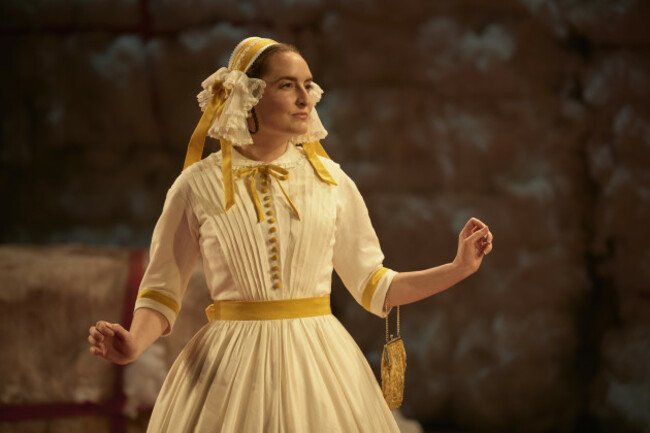
For 14 years, Donna Geraghty has worked in the Abbey Theatre’s costume department. Throughout her time there, she has been part of several critically acclaimed productions including Marina Carr’s By The Bog of Cats, James Fay’s 2012 adaptation of The Risen People by James Plunkett and Drama At Inish by Lennox Robinson, amongst others.
With each production – regardless of whether it’s period, avant-garde or set in the present day – the costumes are as important a device of telling the story or giving the audience hints to the inherent qualities of the characters. The work involved in creating a wardrobe for a production requires research, imagination and a lot of time, as Geraghty told The Journal.
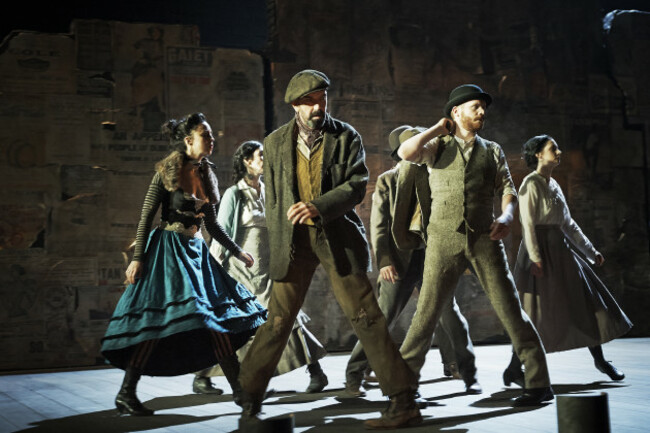
“The costume team works alongside the rehearsal period, which can be anywhere between 4 to 6 weeks depending on the production. If the show is a historical or abstract piece there are usually more costume makers than if it’s a contemporary piece. This needs extra prep time in the lead into rehearsals.”
There are also a host of people, spread across the different departments operating behind the scenes, that come together to ensure that the pieces suit the story and will withstand its run which can go on for a number of weeks. It’s not merely a matter of dressing the actors, there’s the general maintenance of the pieces and consultations with hair and make-up artists to ensure that the character’s look is complete from head to toe.
“The costume team required for a show includes a costume supervisor who manages the costumes on the show, and they will work closely with the costume designer and costume team, collaborating with the production manager, stage managers and wigs, hair and makeup artists. Then you have the costume makers who create and alter the costumes. They fit performers and respond to the needs and requirements fed over from the rehearsal room, like quick change rigging. The costume breakdown artist ages and distresses, dyes, paints and embellishes the costumes. The costume dresser helps with pre-sets, dressing and quick changes pre or during the show. Costume laundry and maintenance is a daily responsibility. Of course, it’s a priority for the costumes to go on stage for each show looking exactly as they did on the open night.”
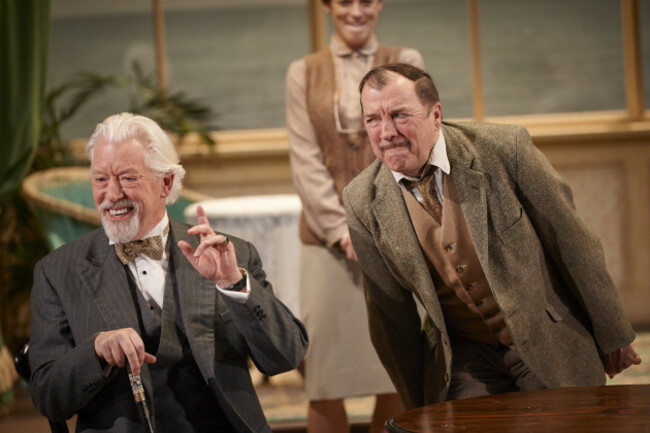
Since 1904, the Abbey Theatre has been gathering and growing its marvellous costume department. As one would expect, there are countless pieces on the rails with fascinating histories woven into their fabric, as Geraghty reveals. “There’s a Kinsale cloak circa 1890s, possibly a donation, that we keep in storage, but the bulk of our costumes date back to the 1960s, some have survived as they were designed and others have been transformed into other suitable pieces of costume, through breakdown or alteration.”
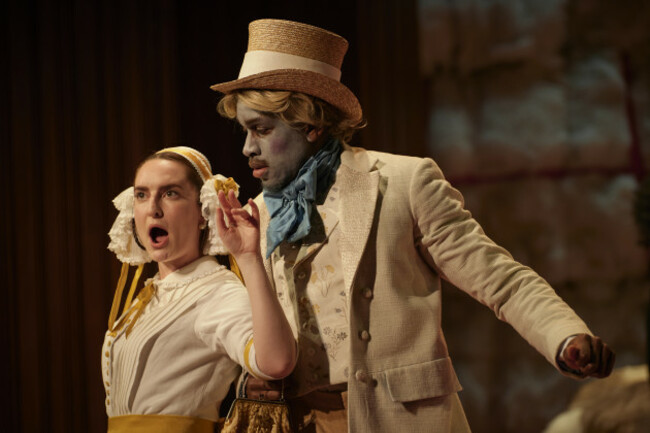
She continues, “There’s a wool shawl from a production of The Plough and the Stars in 1976 that Siobhan McKenna wore as Bessy Burges, with costume design by Bronwen Casson. Also, we’ve received many precious donations over the years, including judicial robes, tweed and morning suits, dresses, skirt suits, hats and other accessories from across the 20th Century. They all had a story and will have many new lives on different productions well into the future.”
The wealth of pieces available in The Abbey Theatre’s costume department was opened to the public and film productions in 2009, expanding the potential of the pieces, and giving them a new lease of life off the stage. This has not only perpetuated the possibilities for the garments to be utilised but ensured the growth of the arts world, something that has always been integral to The Abbey Theatre’s ethos.
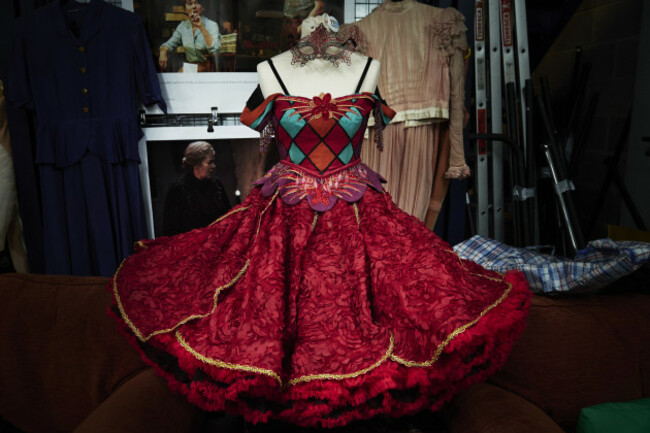
Geraghty concludes, “It’s a fantastic resource for the Abbey Theatre and the wider Arts community. The business also created a number of jobs for costume professionals to manage and run it.” “It has challenges like any job but interacting with designers, artists, and supervisors working on a variety of productions keeps it interesting. It’s also a beautiful space with rows of costumes and accessories at every turn to inspire and delight.”
To embed this post, copy the code below on your site





have your say