Sign in. It’s quick, free and it’s up to you.
An account is an optional way to support the work we do. Find out more.
Sign in. It’s quick, free and it’s up to you.
An account is an optional way to support the work we do. Find out more.
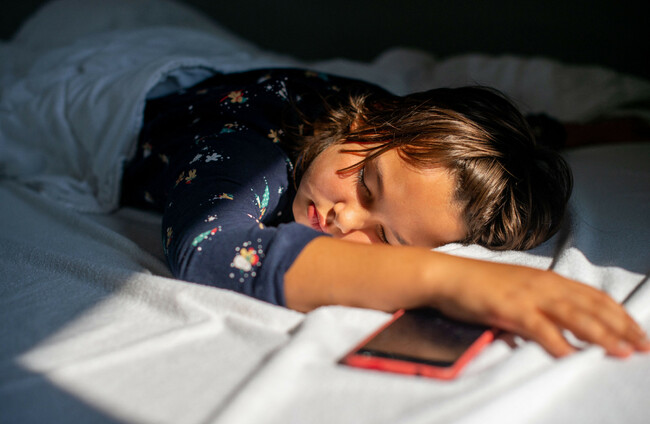
ONE-FIFTH OF EIGHT to 12-year-olds fall asleep watching a screen – and the figure rises to 37% among young teens up to the age of 15.
Meanwhile, a third of primary school children and two thirds of secondary school children have no time restrictions on their online activity.
The findings come from a survey of 1,200 children by CyberSafeKids, an online safety charity.
The charity’s chief executive, Alex Cooney, said falling asleep with a device not only affects sleep quality, but the lack of supervision can leave them exposed to harmful content.
It’s not only children who struggle to switch off. More than half of young people surveyed say their parents are on their devices either ‘a lot of the time’ or ‘all the time’ when they are with them.
Richard Hogan, a family psychotherapist, said children should have screen-free moments throughout their day, and parents need to lead by example.
“This means engaging with our kids before our phones in the morning and during the day, sending the vital message to them that they come first, not our smart devices,” he said.
CyberSafeKids is running an initiative in partnership with the HSE, asking families to switch off their devices from 7pm this evening until 7pm on Saturday, to give themselves a 24-hour break from their screens.
Brian Higgins, the HSE’s assistant national director for adult mental health, said it’s “an opportunity to take a step back and address how we can find a healthy balance between our online and offline lives”.
Over 25,000 people have already signed up for the challenge.
CybeSafeKids gave some advice on how families can establish boundaries with screens:

To embed this post, copy the code below on your site















have your say