Sign in. It’s quick, free and it’s up to you.
An account is an optional way to support the work we do. Find out more.
Sign in. It’s quick, free and it’s up to you.
An account is an optional way to support the work we do. Find out more.
LAST UPDATE | 6 hrs ago

In Nobody Needs This, a series for The Journal, Emer McLysaght focuses her eagle eye on the trends, products and notions we can do without. It’s not all giving out, however. She’ll also be keeping up with what’s catching her attention, keeping people interested and, quite frankly, driving her mad.
THE SUPERMARKETS OF dystopian fiction and film are typically shown to be austere places, with shelves that have been picked clean or are clearly suffering from supply chain collapse or agricultural failure. In Paul Lynch’s Prophet Song, Ireland’s supermarket aisles are bare as the country falls further into the grip of totalitarianism. The Handmaid’s Tale depicts grocery stores as bleak, and the products free of branding or writing (because the women aren’t allowed to read anything in Gilead, not even the back of a box of cornflakes).
Our own real-life supermarkets have been giving off dystopian vibes for a while now. We can carry around our own little handheld scanners. There are security tags on condoms and baby formula. Cashiers are being replaced by self-service tills and shoplifters are discouraged by barcode-activated security gates.
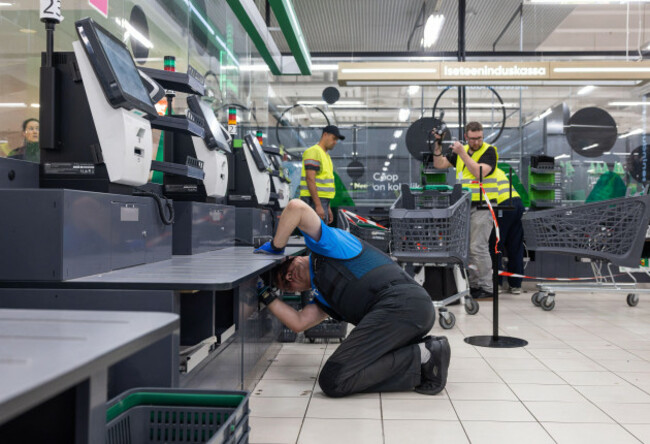
“Dark stores” are operated as grocery warehouses, where pickers choose online orders and no customer ever sets foot inside – Ocado operates on a large scale in the UK while in Ireland Shuppa is the first to have a go, but only in parts of Dublin.
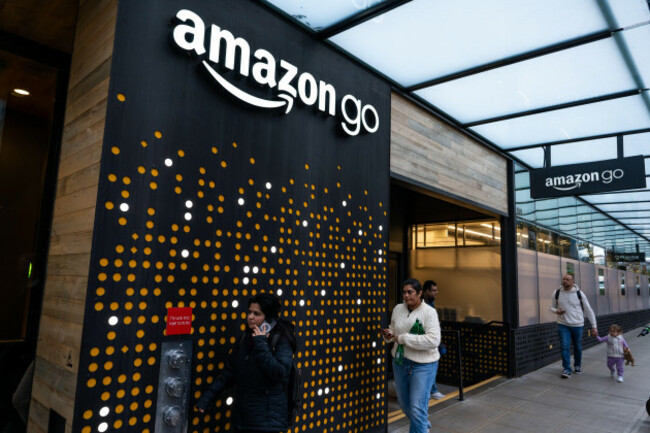
Amazon had a stab at doing away with supermarket staff and checkouts altogether but still allowing shoppers to browse. Their Amazon Go stores allowed customers to “just walk out” with whatever they wanted, with a variety of technologies including cameras, sensors and RFID scanners. All the stores shut earlier this year.
They were prohibitively expensive to run and customers just weren’t ready for the uncanny valley nature of the whole enterprise (plus, it was revealed that over a thousand “data labellers” in India were being employed to track purchases via video, which is probably the most dystopian detail of all).
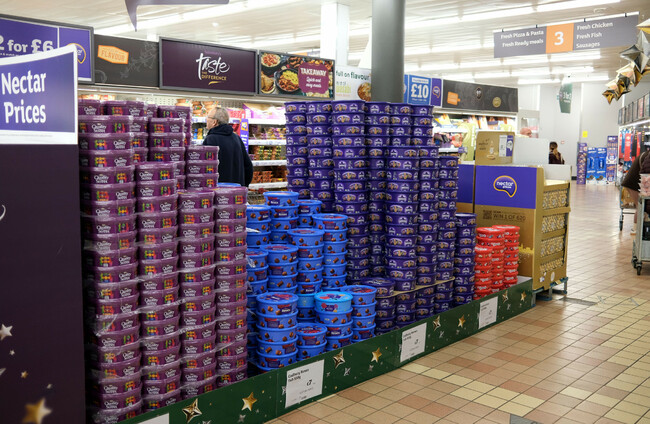
When I picture a supermarket of the near future it’s not empty shelves or surveillance-based shopping I imagine. Instead, I envisage a vast retail space filled with aisle after aisle and towering stack after towering stack of Roses, Celebrations, Quality Street and Miniature Heroes. Nothing else will be available.
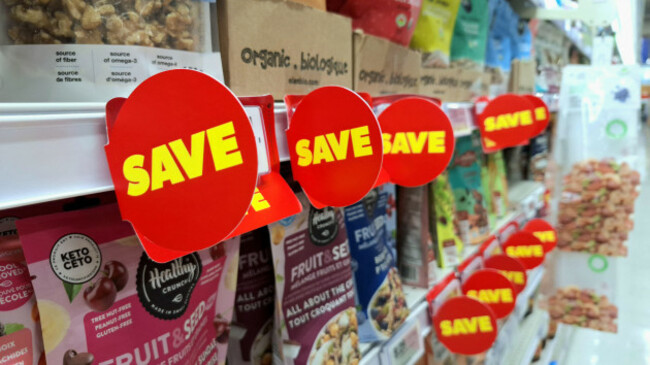
Perhaps other foods will have been redesigned and repacked to also fit into stackable tubs. And all around the store signs will scream at customers that buying two tubs is actually cheaper than buying one, and only an idiot would walk away from the “buy eight tubs get four free” multibuy deal.
It’s a cliché at this point to say that seasonal products are arriving on supermarket shelves earlier and earlier every year. However, the annual assault of these tubs of sweets once exclusively associated with Christmas is now dangerously close to entering a cycle of hysteria that begins anew every January. The multibuys will become increasingly deranged, the shrinkflation will reduce the size of the tubs to that of a tuna can, and the scarcity mindset will see people stockpiling their garages and attics and gorging incessantly on tiny Twixes and Dinky Deckers.
I’m exaggerating of course, but the onslaught of the sweet tubs signals such a cynical, late-stage capitalism attitude towards consumers. The aggressive multibuy sales and loyalty card discounts coupled with mass movement of stock triggers a panicked mindset: “Oh no, if I don’t buy the Christmas sweets now then all of the Christmas sweets will be gone from the shops by the time it’s Christmas so I better buy six tubs and then another four in case Pauline from over the road knocks in unexpectedly”.
The same thing happens at Easter, with the eggs. They sell out ahead of Easter Sunday every year because people are buying them in their dozens.
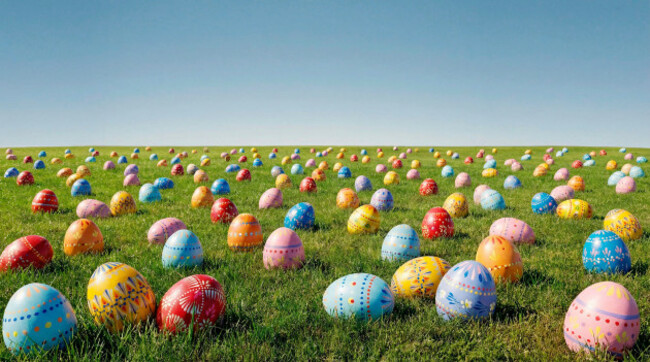
An Easter egg used to be a rarity, but now they’re so plentiful that they’re hardly special any more. Similarly, the tubs of sweets are becoming the go-to Halloween trick-or-treat handouts. I’m surprised they haven’t been rebranded as such, to create two distinct seasonal buying opportunities.
Just before the pandemic I spent two months as a patient in an eating disorder ward in a Dublin psychiatric hospital. Much of the focus of the treatment was on teaching people how to nourish themselves properly, no matter what form of disordered behaviours they had around food.
As part of the occupational therapy, we left the hospital to visit supermarkets to tackle fears and habits around purchasing groceries. We learned about how to deal with occasions that place a strong emphasis on food. Christmas, Easter and Halloween are times of dread for those with eating disorders. Bulimics and binge-eaters cannot fathom how somebody might have ten Easter eggs or six boxes of Roses in their home for any length of time.
A dietician told me that supermarkets know that most people are not successfully saving Christmas treats for December. They’re giving in, eating the stashes and then buying more, except this time burdened by guilt and failure. She said the retailers and manufacturers know this and depend on it. Last year the UK introduced a ban on multibuy deals on certain foods high in fat, salt and/or sugar in a bid to improve the health of children.
The price of groceries is spiralling at almost laughable levels and of course people want to put away some bits for Christmas. However, the long-standing tradition of gathering items for the festive period over months is somewhat negated when the items really aren’t that scarce and are subject to constant multibuy deals (which rarely save money in the long run). It makes me wonder too about how we can put value on products that can be so hugely discounted. Biscuit and sweet tins used to be so prized and precious that we kept them and turned them into sewing kits. Now, it’s just more plastic to dispose of. Humbug.
Shane Gillis, naturally.
To embed this post, copy the code below on your site












have your say