Sign in. It’s quick, free and it’s up to you.
An account is an optional way to support the work we do. Find out more.
Sign in. It’s quick, free and it’s up to you.
An account is an optional way to support the work we do. Find out more.
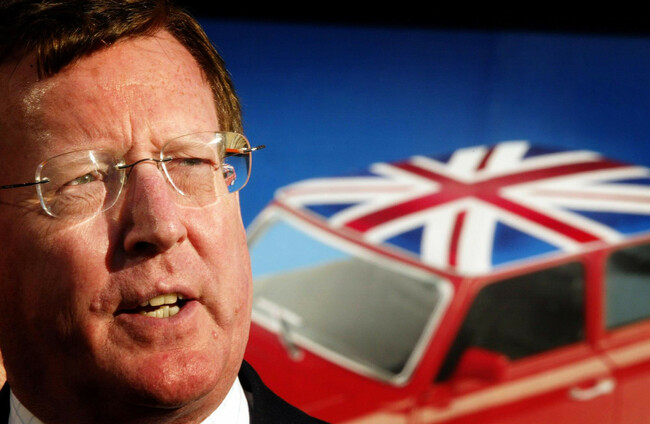
A MARKETING PLAN by Tourism Ireland was delayed because the late David Trimble, then-leader of the Ulster Unionist Party (UUP), objected to Great Britain being referred to as “overseas”.
Irish and British officials discussed the issue at a number of meetings in 2003 and 2004.
Although tourism wasn’t the highest priority in the peace process, it represented an important chance for collaboration across the island of Ireland. As part of the Good Friday Agreement in 1998, tourism was identified as one of the key ‘areas of cooperation’.
Tourism Ireland was established in 2002 to promote tourism across the across the island, replacing Bórd Fáilte Éireann in the Republic and the Northern Ireland Tourist Board.
The process was not without its bumps in the road, however.
Trimble’s objection was discussed at a British-Irish Intergovernmental Conference (BIIGC) meeting on 6 May 2003.
A previously confidential document, which was publicly released as part of the State Papers this month, notes there was a delay in approving “additional Tourism Ireland marketing initiatives in Great Britain”.
“This decision had been blocked by Secretary of State [Paul] Murphy, following objections raised by David Trimble to the designation of Great Britain as part of [Tourism Ireland's] ‘overseas’ market.”
The file also notes that then-Taoiseach Bertie Ahern told then-British Prime Minister Tony Blair “this was unacceptable and that [the Irish government] expected the North/South Bodies to be allowed to get on with their important work without such interference”.
The topic was discussed again at another BIIGC meeting in January 2004.
The document, written by an official in the Irish government, notes: “We have been pragmatic with the British, and have, so far, adhered to the ‘care and maintenance’ undertakings, agreed in deference to UUP sensitivities, in exchange for the continued operation of the Bodies.”
The official noted that the Northern Ireland Assembly was suspended at the time, for “considerably longer” than was originally envisaged.
As such, “the reluctance on the British side to progress even those projects which have been mandated by the [North/South Ministerial Council], due to political (unionist) sensitivities, must be challenged”.
There can be no unionist veto on North/South Co-operation.
The official said the “successful functioning of these Bodies is of strategic importance to us”.
“The success of Tourism Ireland, for example, is not a political issue,” they noted, adding that tourism was a multi-billion euro industry which employed over 100,000 people throughout the island.
Great Britain remains Ireland’s largest overseas market in terms of the number of people who visit here, according to Tourism Ireland.
In general, State Papers – official documents from Government departments and the President’s Office – are declassified and released to the public 30 years after the fact.
However, some records are released before or after that timeframe for various reasons. For example, records related to the peace process in Northern Ireland are now typically released after 20 years.
State Papers reference number: 2024/112/15

To embed this post, copy the code below on your site









have your say