Sign in. It’s quick, free and it’s up to you.
An account is an optional way to support the work we do. Find out more.
Sign in. It’s quick, free and it’s up to you.
An account is an optional way to support the work we do. Find out more.
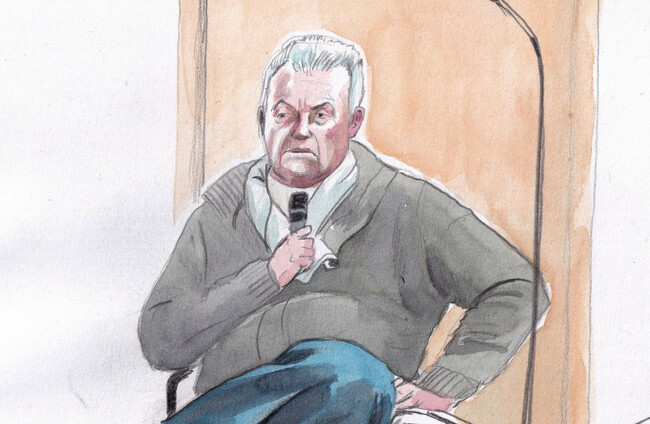
DOMINIQUE PELICOT, THE Frenchman convicted of drugging and raping his then-wife and soliciting dozens of men to do the same for more than a decade, will not appeal his sentence.
Pelicot, 72, was convicted and jailed for 20 years earlier this month after a trial that horrified France and beyond.
His 50 co-defendants in the case were also convicted, with no acquittals. They were handed various sentences of between three and 15 years.
Gisele Pelicot was hailed worldwide for her courage and dignity throughout the three-month trial.
“Dominique Pelicot has taken the decision to not appeal the verdict,” lawyer Beatrice Zavarro told AFP and Franceinfo.
An appeal “would force Gisele (Pelicot) to undergo a new ordeal, new confrontations, which Dominique Pelicot refuses” to do, Zavarro said, adding that “it is time to finish judicially”.
Today is the last day for the defendants to file appeals. Seventeen of Pelicot’s co-defendants have already done so, according Zavarro.
Following the guilty verdicts earlier this month, one of Gisele Pelicot’s lawyers said she had no fear of a new trial.
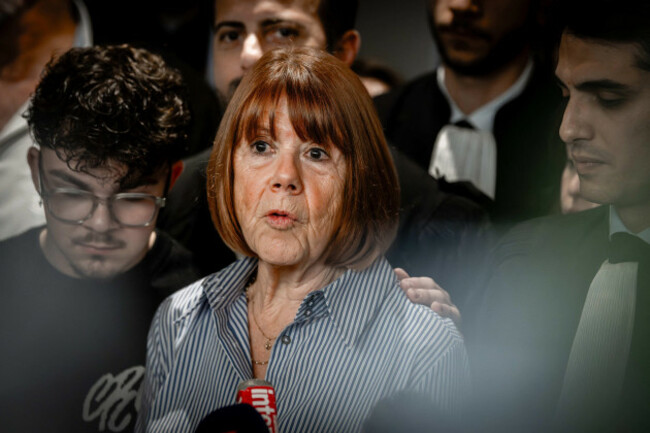
“If it were to happen, she has already indicated to us that she would face it – if she is healthy, obviously, since she is a lady who is now 72,” Stephane Babonneau told France Inter radio.
“In any case, she has no fear of it, that is what she told us.”
Gisele Pelicot has been praised for refusing to waive her right to a closed trial, saying she wanted to turn the tables on the shame associated with rape from victims to perpetrators.
Speaking after the verdicts were given, Gisele Pelicot said the case had been “a very difficult test for me”.
She said she was thinking of her three children and her grandchildren, as well as the other families affected by the case and the ”unrecognised victims whose stories often remain in the shadows”.
“You must know you share my struggle,” she said.
She also said she did not regret opening the trial to the public.
“I wanted when I started on 2 September to ensure that society could actually see what was happening,” she said. “I never have regretted this decision.
“I have now faith in our capacity to collectively take hold of a future in which everybody, women and men, can live together in harmony, in respect and mutual understanding.”
With reporting by © AFP 2024

To embed this post, copy the code below on your site














have your say