We need your help now

Support from readers like you keeps The Journal open.

You are visiting us because we have something you value. Independent, unbiased news that tells the truth. Advertising revenue goes some way to support our mission, but this year it has not been enough.

If you've seen value in our reporting, please contribute what you can, so we can continue to produce accurate and meaningful journalism. For everyone who needs it.

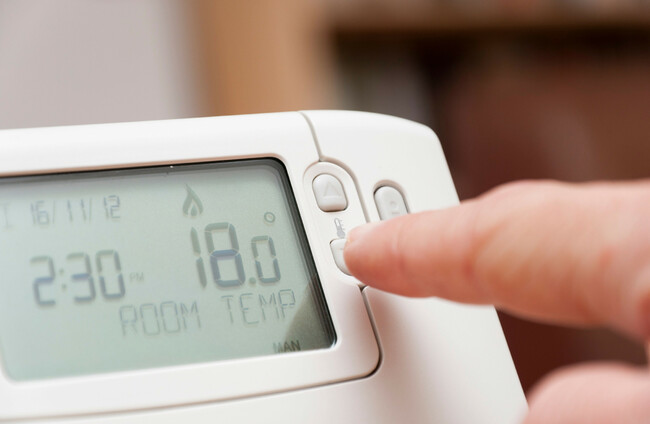
Turning down the temperature on thermostats can save you money coming into the winter months. Alamy Stock Photo

It's getting colder, so here are some expert tips to help you save on energy costs this winter

The average daily heating bill is somewhere between €8 and €15 – and little changes can make all the difference.

THE SUMMER IS officially over and darker, cosier evenings are on the way. 

The change in the weather can prompt us to want to pump the heating up full blast, leading to extra energy costs coming into the winter months. 

According to Money Guide Ireland, the average annual electricity bill in Ireland is around €1,752, while the average daily heating bill in Ireland ranges from €8 to €15, according to Switcher.ie.

According to the Think Energy report by Dublin energy agency Codema, using draught excluders to block cold air coming in under door frames is a great way to keep rooms warm. You can also put carpet or rugs down on flooring to block draughts coming up through wooden floors.

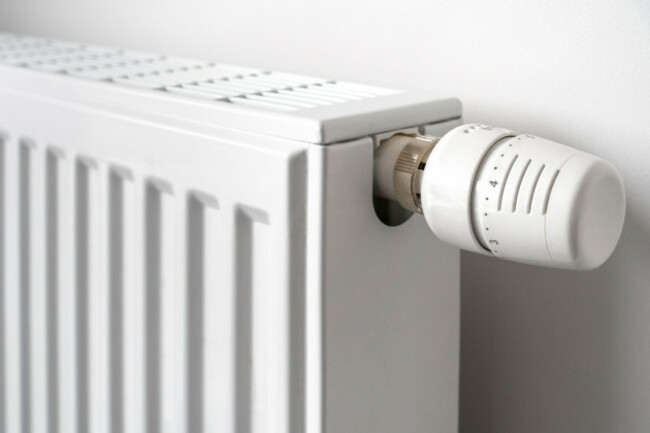
close-up-of-thermostatic-radiator-valve-tvr-fitted-to-household-hot-water-heating-system-radiator-to-control-the-temperature-of-a-room A thermostatic radiator valve can help you save energy as it allows you to match your heating needs to your schedule. Alamy Stock Photo Alamy Stock Photo

Homeowners could also install thermostatic radiator valves (TRVs) to control the heating in each room. These devices can be set on a timer which allows you to match your heating needs to your schedule. 

Window seals or gap fillers will stop cold air entering your home through your window panes, and as they are easy to remove, they are renter-friendly. 

You can save money on lighting costs in your home by switching lights off as you leave a room, and by only switching lights on in the evening when you really need to. 

Energy efficient LED lightbulbs, which can be bought from supermarkets, are a great way to lessen energy consumption because of their longevity. 

Household appliances

In the kitchen, using the correct temperatures needed for the required amount of time when cooking will help you lower your energy consumption, as will keeping your oven clean to reduce cooking time. 

Rather than boiling water in a saucepan for cooking pasta, the Codema report recommends boiling the kettle instead to reduce cooking times and save on energy costs. 

Turning your dishwasher on at a low temperature will reduce its energy consumption. Electricity costs can be cheaper at night, so running the dishwasher overnight could save you on cost if you check with your provider. 

When washing your clothes, the report recommends putting your machine on a cooler cycle and filling up the washing machine before turning it on.  

By making sure your fridge is between three and five degrees and your freezer is between -15 to -18 degrees, you will consume less energy.

The Codema report says that by keeping your freezer full, you will also save on energy and that you can fill it with water bottles or newspaper if you need to bulk it up. 

Speaking to The Journal, Codema’s energy and climate awareness officer Eimear Rodgers said: “Winter is one of the peak periods for energy use, which not only increases household carbon footprints but also leads to higher energy bills, but saving energy doesn’t always have to be costly.”

“By making even small changes, households can shrink their carbon footprint and lessen dependence on fossil fuels, while also enjoying lower utility bills and increased savings,” she said.

Switch it off

The SEAI also has a range of energy saving tips on its website. It may seem simple but switching off appliances after use, or when you are not at home will save you money. 

You should turn off your computer whenever you are not going to use it for more than one hour, and an easy way to ensure all of your devices are turned off is by using a power strip so you can turn everything off at once. 

The SEAI also recommends getting an energy monitor, which allows you to “see how much energy you are using in real time”. 

“If you switch on the shower or the kettle, you can see the numbers jump. Monitors are great for getting a handle on where you use the most energy, and you can make decisions on your energy use based on real data,” the website reads.

Bonkers.ie has another energy saving tip that is not immediately obvious. You should make sure that your oven and dishwasher are not near your fridge, as with the heat that is expelled, your fridge will have to work harder to keep itself cool.

For instance, if your fridge and oven doors are open at the same time, the temperature in the fridge will increase. 

Another useful tip from Bonkers.ie is about batch cooking meals for the week ahead. If you cook in bulk, you will save energy during the week as you can use a microwave instead of a cooker to heat your meals. 

Readers like you are keeping these stories free for everyone...
A mix of advertising and supporting contributions helps keep paywalls away from valuable information like this article. Over 5,000 readers like you have already stepped up and support us with a monthly payment or a once-off donation.

Close
68 Comments
This is YOUR comments community. Stay civil, stay constructive, stay on topic. Please familiarise yourself with our comments policy here before taking part.
Leave a Comment
    Submit a report
    Please help us understand how this comment violates our community guidelines.
    Thank you for the feedback
    Your feedback has been sent to our team for review.

    Leave a commentcancel

     
    JournalTv
    News in 60 seconds