Sign in. It’s quick, free and it’s up to you.
An account is an optional way to support the work we do. Find out more.
Sign in. It’s quick, free and it’s up to you.
An account is an optional way to support the work we do. Find out more.
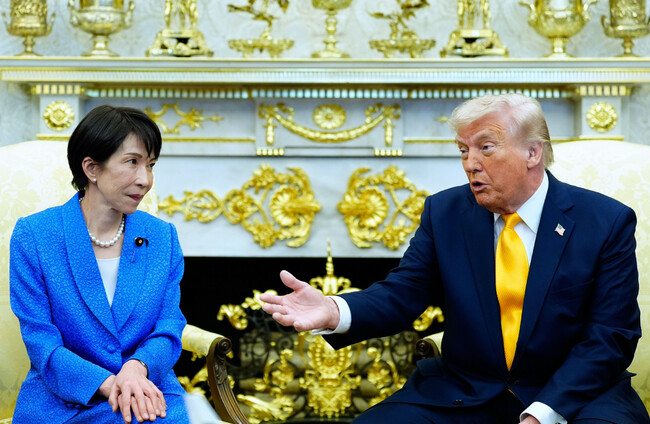
US PRESIDENT DONALD Trump has cited the Japanese attack on Pearl Harbor as an example of using the element of surprise in warfare, while sitting next to Japan’s prime minister in the Oval Office.
Trump was responding to a question from a Japanese reporter who asked why the US had not informed its allies ahead of the assault on Iran on 28 February, which ignited a regional war that has had global ramifications.
“We are very confused about this,” the reporter said.
“Well, one thing, you don’t want to signal too much, you know when we go in. We went in very hard and we didn’t tell anybody about it because we wanted surprise,” Trump said.
“Who knows better about surprise than Japan?” Trump asked, drawing laughter from the room.
“Why didn’t you tell me about Pearl Harbor?” he asked the reporter, which was followed by an awkward silence and raised eyebrows from Japanese Prime Minister Sanae Takaichi.
Q: "Why didn't you tell U.S. allies…about the war before attacking Iran?"
— CSPAN (@cspan) March 19, 2026
President Trump: "We wanted surprise. Who knows better about surprise than Japan? Why didn't you tell me about Pearl Harbor?" pic.twitter.com/esV9iyvMiV
“No, you believe in surprise, I think much more so than us,” Trump continued, “and we had to surpise them (Iran) and we did”.
“If I go and tell everybody about it, there’s no longer a surprise.”
The 1941 Japanese attack on the Pearl Harbor naval base in Hawaii killed more than 2,400 Americans and led the US to join World War II.

To embed this post, copy the code below on your site





have your say