We need your help now

Support from readers like you keeps The Journal open.

You are visiting us because we have something you value. Independent, unbiased news that tells the truth. Advertising revenue goes some way to support our mission, but this year it has not been enough.

If you've seen value in our reporting, please contribute what you can, so we can continue to produce accurate and meaningful journalism. For everyone who needs it.

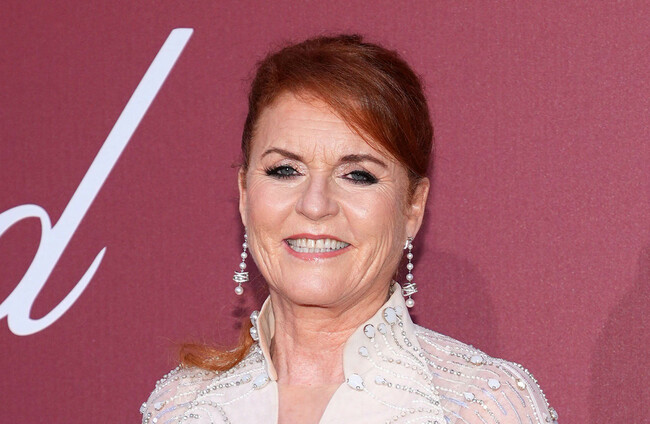
Sarah Ferguson, the ex-wife of then-prince Andrew Alamy Stock Photo

Sarah Ferguson called to testify about 'close personal and business ties' to Epstein

The letter referred to an email from a “Sarah” describing Epstein as “a legend” after his conviction in 2008 for soliciting prostitution from a minor.

SARAH FERGUSON HAS reportedly been asked to testify about her “close personal and business ties” to Jeffrey Epstein.

The BBC reports that a letter sent to the ex-wife of Andrew Mountbatten-Windsor from US Congressman Suhas Subramanyam urged her to cooperate, after the now-declassified files brought to light her relationship with Epstein.

The letter referred to an email from a “Sarah” describing Epstein as “a legend” after his conviction in 2008 for soliciting prostitution from a minor. The Sarah wrote: “I am at your service. Just marry me.”

It also referenced emails that suggest Ferguson asked Epstein directly for financial assistance.

Andrew Mountbatten-Windsor was last month arrested on suspicion of misconduct in public office, which carries a maximum sentence of life imprisonment. He was released the same day.

Police conducted searches at his Norfolk home, as well as in Berkshire, where his former residence, Royal Lodge, was located.

Emails released by the US Department of Justice appeared to show Mountbatten-Windsor sharing reports of sensitive information with Epstein while serving as a trade envoy for the UK.

Further documents released last month showed Andrew crouched over an unidentified woman. 

The letter to Fegruson today siad: “While you officially divorced former Prince Andrew in 1996, the committee is interested in learning more about any knowledge of Mr Mountbatten-Windsor’s involvement in Mr Epstein’s operations.”

“It is clear that you possessed social and business ties to Mr Epstein and have knowledge of information that can assist our investigation,” it continued.

“I request that you cooperate with the committee’s investigation and provide information regarding the crimes of Jeffrey Epstein and his co-conspirators.

Ferguson has two weeks to respond.

Survivors’ names

Meanwhile, survivors of Epstein have sued the US government and Google over victims’ identities being mistakenly revealed in a trove of documents published online by the Justice Department.

The Department released more than three million files in January related to the investigation into the disgraced financier, including his links to high-profile figures.

But officials were left scrambling after names of victims – who were supposed to be anonymised – were left unredacted.

The Department “outed approximately 100 survivors of the convicted sexual predator, publishing their private information and identifying them to the world,” the plaintiffs said.

“Even after the government acknowledged the disclosure violated the rights of the survivors and withdrew the information, online entities like Google continuously republish it, refusing victim’s pleas to take it down,” they added.

Google continues to display victims’ personal information in search results and AI-generated content, the case says.

Journalists at the New York Times also found dozens of naked photos in the files that included people’s faces.

Epstein was convicted in 2008 of soliciting sex from girls as young as 14, but died in a New York jail cell in 2019 before he could be tried on sex trafficking charges.

“Survivors now face renewed trauma. Strangers call them, email them, threaten their physical safety, and accuse them of conspiring with Epstein when they are, in reality, Epstein’s victims,” the case filing said.

Plaintiffs claim that the government violated the Privacy Act of 1974, and that Google violated California laws on invasion of privacy, negligent infliction of emotional distress, and unlawful business practices.

Readers like you are keeping these stories free for everyone...
A mix of advertising and supporting contributions helps keep paywalls away from valuable information like this article. Over 5,000 readers like you have already stepped up and support us with a monthly payment or a once-off donation.

Close
JournalTv
News in 60 seconds