Sign in. It’s quick, free and it’s up to you.
An account is an optional way to support the work we do. Find out more.
Sign in. It’s quick, free and it’s up to you.
An account is an optional way to support the work we do. Find out more.
LAST UPDATE | 19 May 2025
BRITISH PASSPORT HOLDERS will soon be allowed to enter EU-only border crossings at European airport checkpoints.
It is one of the many agreements struck between the UK and the EU in a new post-Brexit deal on trade, customs and the contentious issue of fishing rights.
Details of the agreements have been announced this morning at the first annual summit between the UK and the EU. It comes after UK Prime Minister Keir Starmer set out his desire to reset the relationship – which was fraught with distaste after Brexit.
In the deal, the EU has committed to developing methods to give British passport holders better access to Europe for work, studies and holidays – it also includes provisional agreements on the use European passport crossings.
In return, the EU is seeking better access to British waters and stronger fishing rights.
Some have been criticised by hard-line Brexiteers, who believe the deal is rolling back on what the British public voted for in 2016.
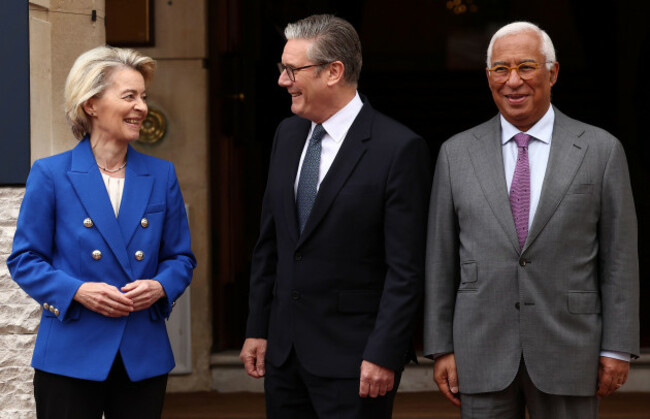
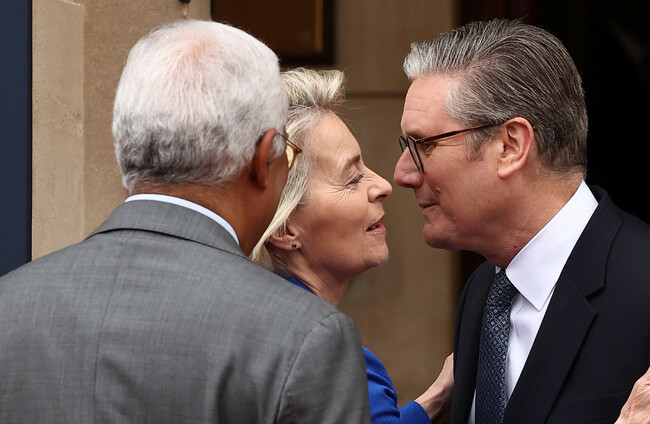
Speaking in London today, where British and EU leaders are holding a summit, Starmer and European Commission President Ursula von der Leyen both said that the agreement was made in the best-interest of both parties.
“We are like-minded. We share the same values,” von der Leyen said. “We know that we work shoulder-to-shoulder, hand-in-hand when it really comes to crisis.
“So we should use this first summit to develop a roadmap – which is on the table here, it’s an amazing, comprehensive roadmap that we have.”
Starmer, speaking during the opening ceremony this morning, said the deal represents a package that “will benefit all of our people”. He said that they both must move quickly to make the details a “reality”.
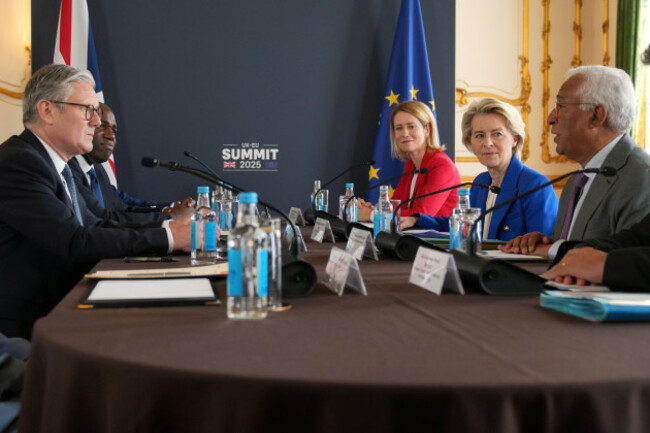
The deal, which was agreed between the UK and representatives from the 26 EU member states, agrees to shared projects on critical defence infrastructure around Europe, and sets out key economic agreements that will ease some of the Brexit impacts.
“The European Union are looking forward, not looking back,” European Council President António Costa said. “We are here to work on the new relationship, not to talk about the last one.”
Headlining the deal is an extension to the existing fishing rights agreement, due to lapse next year, which has been met with immediate backlash from the right-wing Conservative and Reform party leaders.
While there will be no change to current access to fish for coastal communities in the UK and no reduction in the British quote, European fishermen will retain access to waters for 12 extra years.
BBC News has reported that the extension of the fishing rights deal was a British concession that was made when it appeared that talks would collapse before the first post-Brexit UK-EU summit, resulting in no deal.
“We are becoming a rule-taker from Brussels once again,” said the Conservative leader Kemi Badenoch, reacting to the reported concession.
Hardened Eurosceptic leader of Reform Nigel Farage described the deal as a “surrender” before any of the details were published.
A spokesperson for Downing Street said that the agreement will yield benefits for British fishermen. Starmer doubled down on the importance of the deal at a press conference later.
He said that the agreement gives the UK “unprecedented access” to the European single market – better than any other non-member – without rejoining the EU, as was outlined in his party’s election manifesto last year.
Starmer said it was the third trade deal his government has reached in recent weeks, which he claims creates and saves jobs. “This deal is good for both sides,” he said.
He said roughly 70% of fish from the UK is exported into the European market and that a new deal would have to be agreed year-on-year if the existing agreement lapsed later this year.
Joint critical infrastructure projects were committed to in the defence pact alongside spending agreements for the respective security industries, cooperative deployment plans in peacebuilding and crisis management as well as space security.
The UK is seeking to gain better access to youth movement within Europe for work and student visa rights. In return, the EU has sought British commitments to migration control and maritime safety.
The European Commission has agreed to seek an arrangement which will see the UK become a member of an Erasmus programme, where European students can study in different member states’ universities.
Better access to Europe for British people seeking to carry out work such as au-paring or volunteering, or simply go on holiday for a limited time, will also be developed.
These renewed reforms to intercontinental travel could result in British passport holders having to enter the EU passport control queue. Both parties have agreed to work towards “smooth border management”.
Provisions in the Windsor deal will continue to be in place, giving Northern Ireland access to both markets. However, red tape around agriculture exports from the North will be rolled back by the EU.
Taoiseach Micheál Martin and Tánaiste Simon Harris have welcomed the outcome of the first post-Brexit summit.
With reporting by Press Association and AFP

To embed this post, copy the code below on your site












have your say