Sign in. It’s quick, free and it’s up to you.
An account is an optional way to support the work we do. Find out more.
Sign in. It’s quick, free and it’s up to you.
An account is an optional way to support the work we do. Find out more.
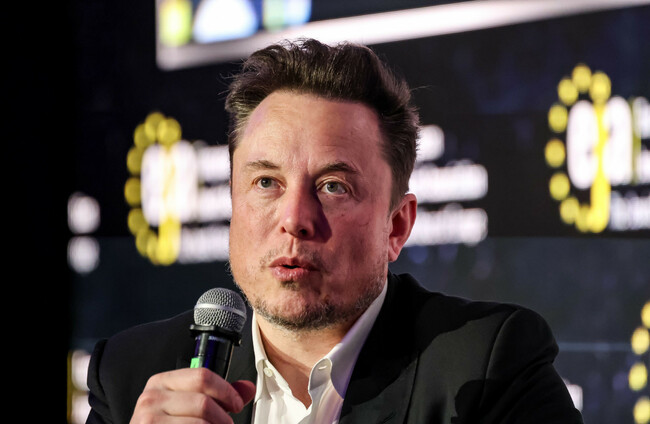
MEPS IN STRASBOURG issued pointed criticism to the new European Commissioner in charge of social media regulation over the lack of action taken by the new administration against Elon Musk, the billionaire owner of X, and his platform.
A law, first-introduced in 2023, that was meant to regulate very large social media platforms and prevent the spread of misinformation has gone massively underused, according to European parliamentarians.
The European Commission, in charge of the implementation of the laws, has many launched investigations in recent months, including into Twitter (X), TikTok, Meta and online stores such as Temu, over alleged breaches of the Digital Services Act (DSA).
Under the DSA, social media companies are responsible for their platforms, forcing firms to be vigilant around the makeup of their algorithms and the spread of illegal content and misinformation on their websites.
Investigations are launched if the Commission determines that the platform has breached its obligations. Fines of up to 6% of the company’s annual turnover can be levelled against the firm if the probe finds the Commission’s ruling was true.
X was one of the first companies to be placed under investigation following the 7 October attacks in Israel, as the Commission claimed Musk’s platform failed to curb the spread of misinformation about the event. Preliminary findings suggested that accounts with blue ‘verified’ badges deceived users on the day.
Critics in the European Parliament and elsewhere in Brussels have said that very little action has been taken by the Commission to enforce the new law so far, and that it has been set up in a manner that allows the platforms to choose to ignore it.
The Commission has argued that it is not its place to tell platforms how best to change their websites so that it is in line with the laws and that if firms do not comply, websites and services can be shut down under existing single-market regulations.
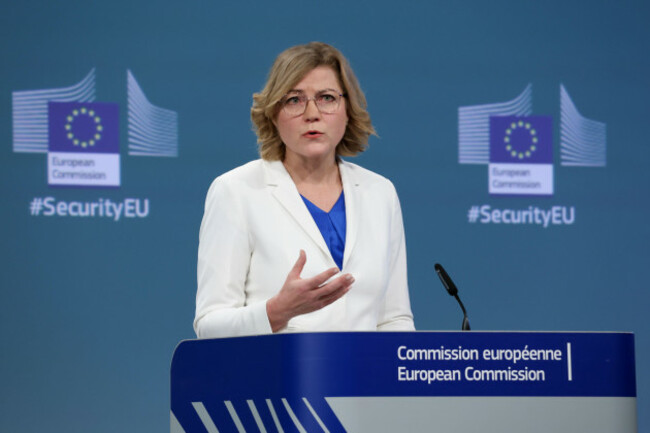
Today, MEPs met with Commissioner Henna Virkkunen to debate the issue at the European Parliament in Strasbourg, France. It follows months of backlash by MEPs and media over claims that the new administration has not taken enough action.
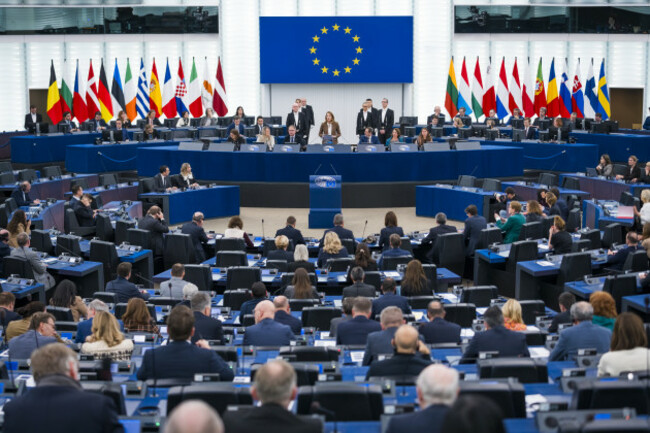
The group levelled more in criticism to the Commission over its failure to intervene as Musk has continued to comment on elections in the EU, including conducting a recent interview with the leader of the German far-right party AFD.
Many also cited concerns over Musk’s ties to and role in the new administration at the White House due to the risk that alterations could be made to X’s algorithm to favour pro-Trump posts.
Politicians claimed the the Commission’s failings were seen following the overturning of the presidential elections results in Romania – when investigators alleged that TikTok allowed the spread of Russia-backed misinformation on the app, in breach of the DSA. The platform has since come under investigation.
Other MEPs deemed that the DSA is actually a method for the EU to censor free speech and that the onus should be placed on users to determine whether the information they read is true.
The point was rejected by all those involved in implementing the regulations, who continually assured that the DSA has no control over what content can and cannot be posted online, but rather that the platforms are vigilant that EU laws are followed online.
Commissioner Virkkunen welcomed the points made during today’s debate, and announced that the Commission will be making adaptations to the DSA so that the executive branch of the EU can take more action against hate speech online.
Speaking after the debate, Danish MEP Christel Schaldemose – a staunch critic of the Commission’s performance on the DSA – said that the discussion was positive and welcomed the new adaptation and work that is planned.
She criticised the Commission for being “too slow” to take action against platforms, including Musk’s X and claimed that the executive branch had not prepared themselves with enough resources to monitor and regulate the companies.
“The current commission is still relatively new,” she told reporters. “They only entered power on 1 December. Still, I want to be tough. We need to see action.”

To embed this post, copy the code below on your site














have your say