Sign in. It’s quick, free and it’s up to you.
An account is an optional way to support the work we do. Find out more.
Sign in. It’s quick, free and it’s up to you.
An account is an optional way to support the work we do. Find out more.
LAST UPDATE | 23 Jun
PUBLIC EXPENDITURE MINISTER Jack Chambers has said that the government will make a decision on extending relief on the cost of fuel over the coming “ten days”, amid threats of more blockades by farmers and hauliers.
“We don’t want to see is a big upward increase in energy prices or in oil prices which has an impact on consumers or on businesses,” said Chambers.
“It’s in that context which we’ll assess the decision on a further extension, and we want to see a more smooth path of energy prices over the next number of months,” the Fianna Fáil minister said on Tuesday.
It follows statements in recent days by some organisers of the blockades that brought much of the country to a standstill in April that they are considering doing similar again given fuel excuse relief ends on 31 July.
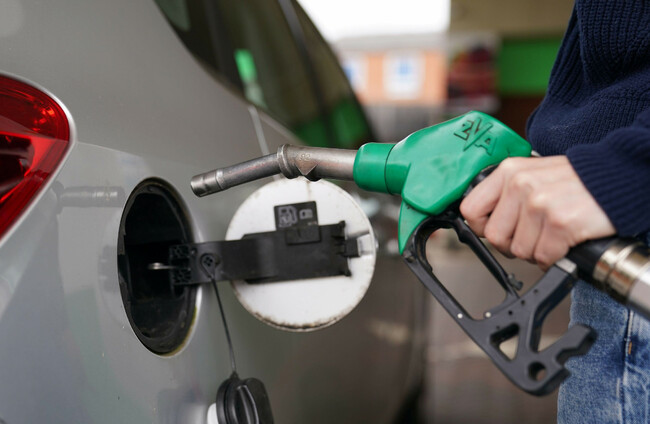
When this ends, the cost of diesel would spike by 32c per litre – this has been decried by protest groups representing agricultural contractors, farmers and hauliers.
If more protests were to take place, it would threaten disruption during Ireland’s Presidency of the Council of the European Union which will see the country host hundreds of EU meetings as well as visits by State leaders starting from next week.
Speaking to reporters, Chambers said it’s “wrong that there’s such threats being made”, adding that the government is listening to households about the pressure they’re facing.
“No protesters should seek to threaten or undermine critical infrastructure across the state,” Chambers added.
“We’ll take an informed view of price dynamics on the basis of our wider engagement with stakeholders, but hreat of disruption is wrong, and again people need to respect the wider apparatus of the state, and we’ll make decisions on this in the next 10 days.”
Earlier, Tánaiste Simon Harris said that any new fuel demonstrations would “have the right to protest but they don’t have the right to blockade critical infrastructure” in the process.
Speaking on Tuesday, Harris said that there were “certainly learnings” from the policing of fuel protests, adding that security during the EU presidency will be “taken extremely seriously”.
“I think those learnings are that people have the right to protest but they don’t have the right to blockade critical infrastructure,” Harris added.
“We came extraordinarily close to having a very damaging situation in relation to our energy and in relation to fuel and indeed we saw that – fuel running out at certain petrol stations, people deciding who could access a hospital appointment or not. That’s not how a democracy functions, that won’t be tolerated.”
The April protests – including blockades of Ireland’s only oil refinery and other key depots – strangled fuel distribution across the country and prompted an escalated policing response that resulted in several arrests amid clashes between public order units and protesters.
The government announced hundreds of millions of euro in supports for industries severely affected by fuel prices, including cuts in excise duty on petrol, diesel and marked gas oil (green diesel) to the end of July.
Asked if he was concerned about fuel protests during the presidency, Harris told reporters before cabinet on Tuesday that there was a difference between protesting and blockading critical infrastructure.
“A protest is a protest, and protest is a perfectly legitimate thing in any democracy, and I’m never concerned around protest.”
He added: “But lawlessness is not part of our democracy. This is a country of rules and laws and they will be enforced without fear or favour.”
With reporting by Christina Finn and PA

To embed this post, copy the code below on your site












have your say