Sign in. It’s quick, free and it’s up to you.
An account is an optional way to support the work we do. Find out more.
Sign in. It’s quick, free and it’s up to you.
An account is an optional way to support the work we do. Find out more.
LAST UPDATE | 24 Aug 2022
A GARDA GROUP representing rank and file gardaí have formally rejected proposed rosters and said that the changes “seriously inhibit proactive work-life balance and work predictability”.
In a meeting this evening the Central Executive Committee of the Garda Representative Association voted “unanimously” to reject the proposal.
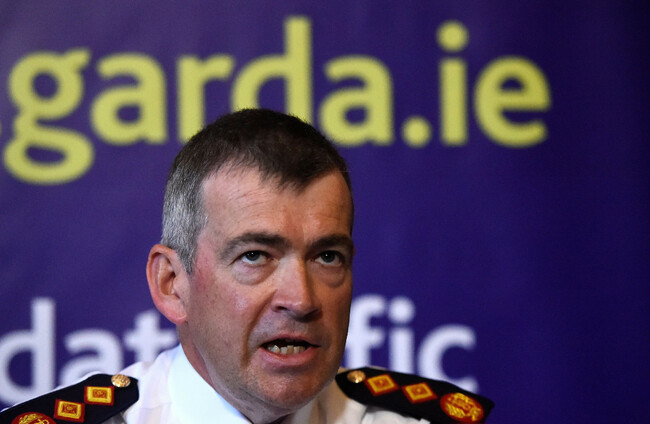
They said they have contacted the Garda Commissioner Drew Harris to inform him and said they are available to “re-enter meaningful negotiations to find a solution to the impasse”.
Sources have told The Journal that Cork based members of the GRA proposed an urgent motion to reject the proposals and this was seconded by garda members based in the east of the Dublin Metropolitan region.
The GRA had voted previously at the annual conference which rejected any proposed roster that would include a pay cut.
The Cork delegates told gardaí in a circulated briefing document, seen by The Journal, that the new roster would see an €8,000 reduction in pay for some gardaí.
In this briefing document there was reference to a new arrangement whereby gardaí, such as detectives and other specialist units, would work a full seven days followed by a two day rest period.
The gardaí at present are on a temporary four days on, four days off Covid-19 roster – before that they were on a six day on three day off roster.
The new roster is focused on leaving regular response gardaí on the four-on-four-off but moving detectives and other specialists to a more office based role which will be based around a nine to five roster.
Sources have also said that a meeting last Friday between GRA leaders and Harris ended when he told them that the negotiations were concluded and that the rosters would be introduced.
A GRA statement said that the main issues raised by their membership included the proposed changes to garda terms and conditions of employment, along with proposed new roster configurations, “both of which seriously inhibit a proactive work-life balance and work predictability”.
They cite “the current escalation of the cost of living” as a key to their decision to reject the proposal.
It said that for some gardaí it will seem them work 47 additional days per year and said this will cause major extra costs in commuting and childcare.
Interim General Secretary Philip McAnenly strongly criticised the proposed roster and said that the GRA were united in refusing to accept it.
“The changes proposed are simply unacceptable to our membership and that is why they have been rejected with one unanimous, unified voice.
“These changes dilute the protections currently contained in our Rosters and Working Time Agreement and significantly impact both the certainty and predictability afforded by this long- standing arrangement.
“Against the backdrop of the current escalation of the cost of living, this proposal would see our membership, adversely affected with regards to their take-home pay.
“It is simply unpalatable to suggest that in the current economic climate that many of our members would be expected to work extra days and with a reduction in their income. We believe that these proposals will have a detrimental effect on many of our members’ wellbeing and work-life balance, something we will not stand for,” he said.
The Association of Garda Sergeants and Inspectors are conducting nationwide briefings for their members.
A garda spokesperson said: “An Garda Síochána does not comment on remarks by third-parties. As the roster discussion process is not yet finalised, An Garda Síochána will not be commenting on the detail of this process.”

To embed this post, copy the code below on your site
















have your say