Sign in. It’s quick, free and it’s up to you.
An account is an optional way to support the work we do. Find out more.
Sign in. It’s quick, free and it’s up to you.
An account is an optional way to support the work we do. Find out more.
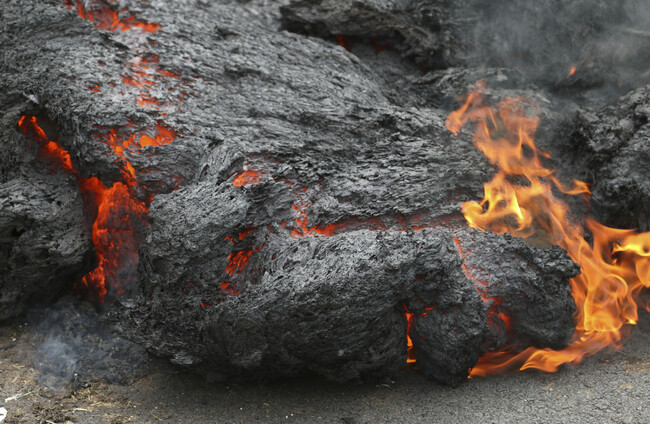
THOUSANDS OF PEOPLE have been forced to flee parts of Hawaii after the Kilauea volcano erupted last Thursday, spitting out lava from ground fissures and releasing dangerous gases into residential areas.
While lava continued to erupt intermittently in the Leilani Estates area – with red-hot lava fountains sometimes spouting 70 meters into the air – other eruptions have ceased.
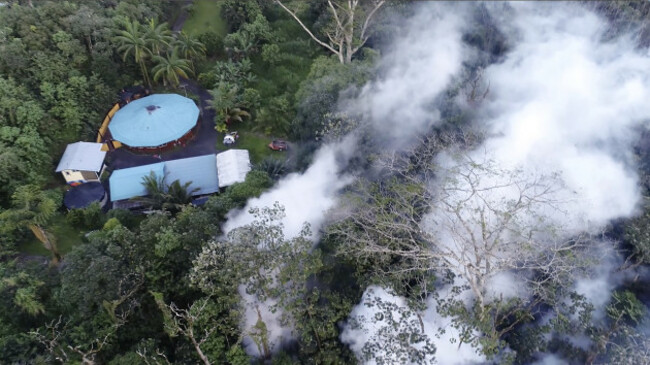
But highly toxic sulfur dioxide gas pouring from some fissures continued to contribute to “extremely dangerous” conditions.
“The high levels of sulfur dioxide are a threat to all who become exposed,” the Hawaii County Civil Defense office said in an alert.
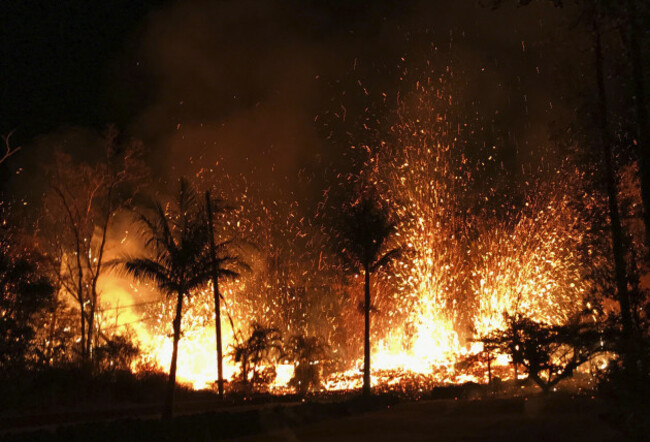
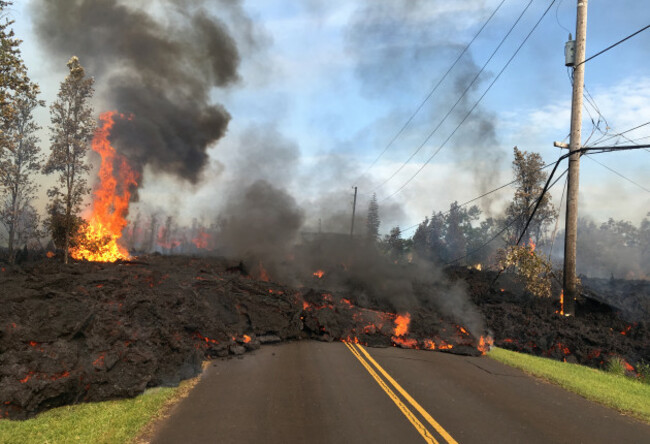
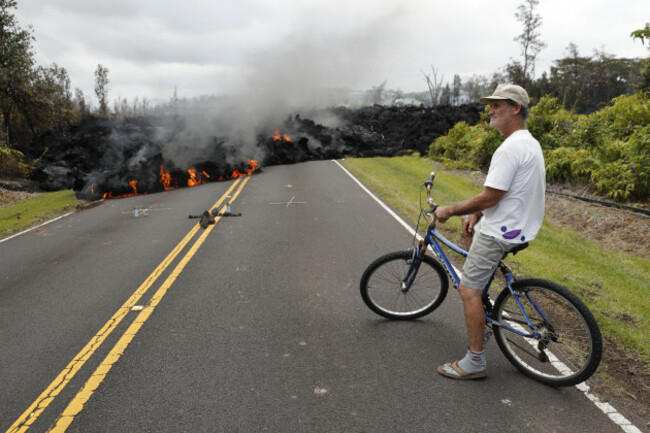
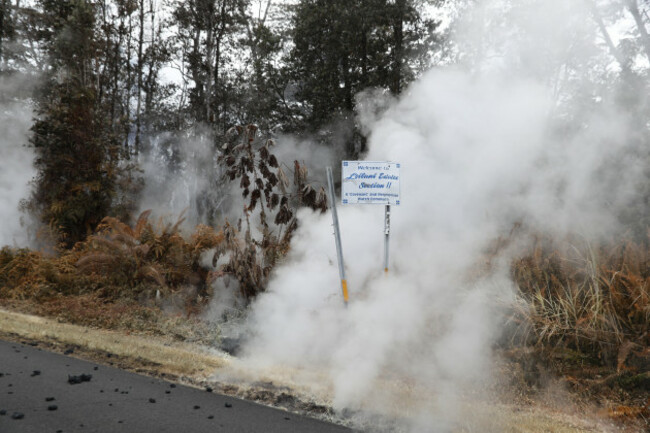
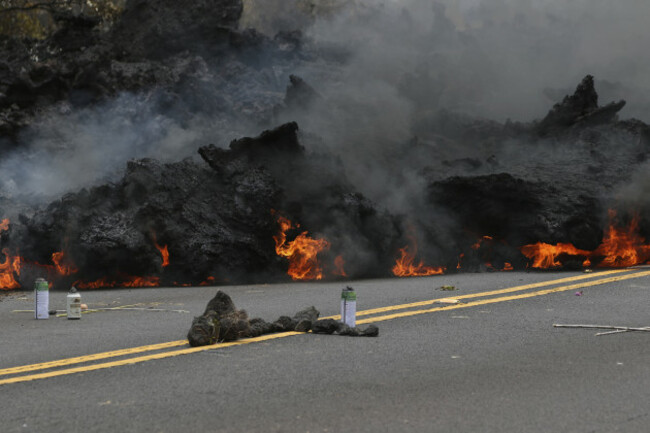
The area has suffered several severe shocks since Thursday, when a magnitude 5 earthquake under Kilauea’s south flank set off an initial eruption. A quake Friday was measured at magnitude 6.9, the most powerful to hit the islands since 1975.
Kilauea – which according to Hawaiian folklore is home to Pele, the volcano goddess – saw nearly continuous activity during the 19th century.
It is one of five currently active volcanoes on Hawaii Island, sometimes known as the archipelago’s Big Island.
“Kilauea ranks among the world’s most active volcanoes,” says the US Geological Survey (USGS), “and may even top the list.”

To embed this post, copy the code below on your site














have your say