Sign in. It’s quick, free and it’s up to you.
An account is an optional way to support the work we do. Find out more.
Sign in. It’s quick, free and it’s up to you.
An account is an optional way to support the work we do. Find out more.
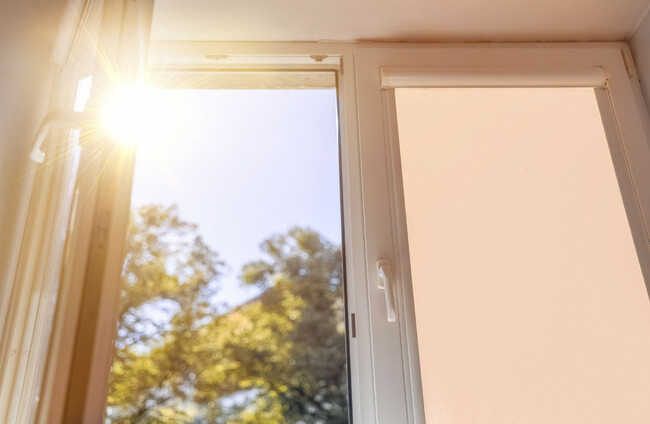
AS TEMPERATURES DROP from the record-breaking highs seen this week, many in A-rated homes will be glad to see cooler temperatures.
An A-rated energy home is the highest score on a Building Energy Rating (BER) certificate, which measures a property’s energy efficiency, with one of the benefits being a warmer home.
But during hot weather, this can become a problem.
People online have noted that while the problem of overheating in A-rated homes happens only a few weeks of the year, when it does happen, it’s feels “relentless”.
“When the heat hits, it really hits. The house holds it. There’s no breeze, just warm walls radiating it back at you,” said one Instagram user.
One of the ways in which a home in Ireland achieves an A-rating is through insulation.
The insulation keeps heat in during the colder winter months, but this can become a problem during warm weather.
But while some in A-rated homes bemoan the impact of insulation during hot weather, Kieran McCarthy says it’s not to blame.
He’s an engineer and builder from Co Cork who owns KMC Homes, which specialises in high-end homes.
He told The Journal that the insulation isn’t the problem, but rather the south-facing glazing.
“Typically, a new house or remodelled house will make the living space as south facing as possible,” said McCarthy.
“A south facing elevation is going to have glass because you want to get that lovely daylight into your living space.
But when we’re optimising the house for southerly light, we’re also optimising the house for solar gain, particularly in the summer.
Solar gain is the increase in temperature inside a building when sunlight passes through windows and is absorbed by internal surfaces.
While triple-glazed windows help reduce solar gain because there is less heat transfer through the glass, McCarthy said the issue can be exacerbated by double-glazed windows.
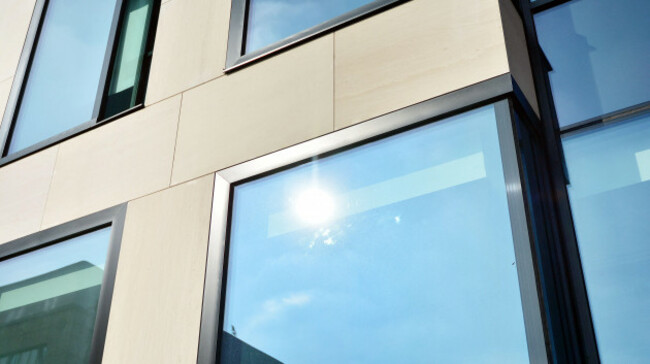
“You have solar gain coming through the double-glazed windows, facing south in your open-plan living space, heating up your A-rated house and there’s no way of the heat coming back out.
“That’s typically what’s happening; a combination of solar gain from primarily south-facing glazing, and the heat that comes in is trapped inside because of the super insulation on the externals of the house.”
However, McCarthy says the insulation is not to blame but more-so “south-facing glazing that hasn’t been thought through”.
“Insulation is a good idea,” said McCarthy, “it keeps the extremes of heat out.”
“If you don’t have insulation in your attic when the sun shines on your roof, it’ll start heating your bedroom, so you need the insulation.”
While McCarthy acknowledged that insulation accentuates the issue, he said it isn’t the problem.
The issue is the south-facing glazing and the problem we need to deal with it excess solar gain.
McCarthy said that insulation in the summer keeps heat out, but when heat is funnelled into the house, the insulation then traps that heat.
“What you need to do is stop getting the heat in through your south-facing glazing.”
While you could simply block up your windows, McCarthy advises against this.
“You want to keep the light, but you don’t want the heat.”
He said films which can be fitted to the external glazing, which are “not inordinately expensive to do”.
These micro-thin films block out UV rays and reduce solar gain.
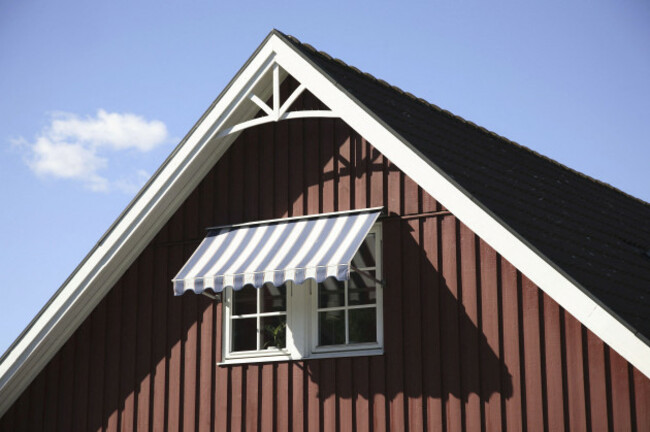
And depending on budgets and the house in question, a canopy over the glazing will also help.
“When you have a little canopy, they stop the excess rays of the sun shining through when the sun is at its highest,” said McCarthy.
So a combination of triple-glazing, the canopy, and the film that can be applied to the outside glass.
“There isn’t a quick sound bite to this, but the important thing is to remember that it is a good idea to insulate your house.”
And while some say we should look to Southern Europe for inspiration on keeping our homes cool in warm weather, McCarthy said this isn’t an accurate analogy.
“Their homes are hardly insulated because they have quite mild winters, but if we started taking insulating out of our houses to fix the problem, we’d be freezing in winters.”
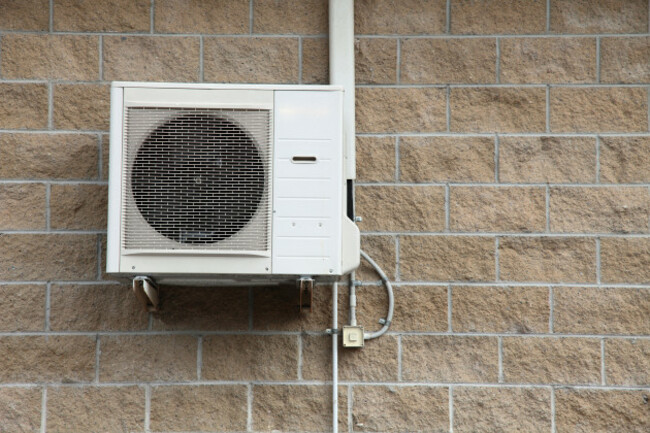
Meanwhile, some have opted for air conditioning to beat the heat, but McCarthy said this would be a last resort for him.
“Air con will work, but it’s very expensive and it’s going to be a draw on your electrical system.
“These things do work, but you’re treating the symptom rather than treating the problem.”
If I had a problem, it’s the last thing I’d do to fix it.
He said fixes such as film on external glazing and canopies are better ways of dealing with the problem because “you do it once and then you’ve no bills”.
If all else fails, you can look at the air conditioning, but I’d start with something like the film first, and maybe a canopy.
“That’s what I have; I have that film, canopy, and triple-glaze, and I don’t have a problem and I’ve probably 10 meters of glazing facing south and an A-rated house.”

To embed this post, copy the code below on your site
















have your say