Sign in. It’s quick, free and it’s up to you.
An account is an optional way to support the work we do. Find out more.
Sign in. It’s quick, free and it’s up to you.
An account is an optional way to support the work we do. Find out more.
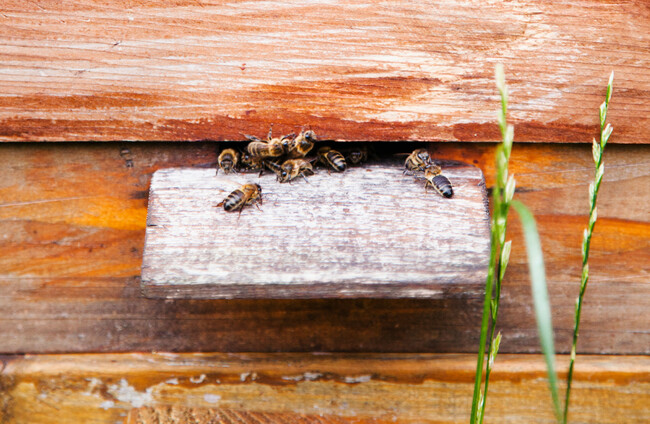
THE PUBLIC HAS been advised to check their roofs and unused sheds, as it’s swarming season for bees.
The sunny weather after an unseasonably cold period has honeybees out in full force looking for their next nest.
Swarming is part of their life cycle, professor and beekeeper Grace McCormack of Galway University explained.
“Most years each bee colony reproduces, so they build up too many bees in the nest,” she told RTÉ’s News at One.
“The queen will take about half of the bees within a colony, and they will go off to find a new nest, and they leave behind a developing queen to continue the original nest.
McCormack told RTÉ’s News at One that the first stage of swarming involves bees leaving their nest to find a tree, and together they will look like a “big dark brown ball”.
They then send ‘scouts’ to find their new nest, where they will wait for the others before entering.
McCormack says they sometimes choose roofs or unused sheds for their new home.
“It happened to my neighbour last week. The bees surrounded her house and it was a very scary phenomenon,” she said.
She urged people to keep an eye out for what might be a swarm forming, so that it can be caught before the nesting stage.
Older roofs, or roofs with gaps, are attractive spots for bees.
“I would be looking to see even if there are some bees, like maybe five or 10 or 20 bees … kind of interested in a particular area of your roof. That’s when you have to act,” said McCormack.
“Because the scouts are deciding if this is a good place to go, so you still have time before the swarm arrives, and that’s really when the best time to act is.
“Once the queen gets in there, they will be really persistent to get in, and once they get into your roof, it’s really hard to get them out.”
Those who believe they have identified a swarm should contact their local beekeeper or swarms.ie.
Lighting a fire or spraying men’s deodorant can help deter them in the meantime.
If the bees are allowed to create a nest, it can be expensive to remove, says McCormack, with the service costing hundreds of euros.

To embed this post, copy the code below on your site













have your say