Sign in. It’s quick, free and it’s up to you.
An account is an optional way to support the work we do. Find out more.
Sign in. It’s quick, free and it’s up to you.
An account is an optional way to support the work we do. Find out more.
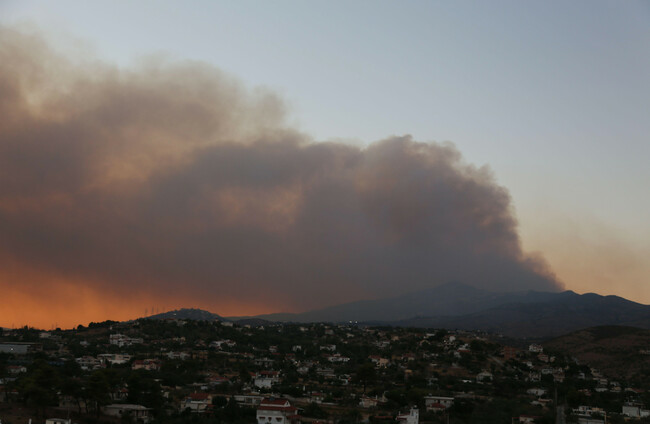
HIGH TEMPERATURES CAUSED nearly 50,000 deaths in Europe last year, a new study has found, while scientists warn of the grave effects of climate change.
Conducted by researchers at Barcelona’s Institute for Global Health and published in the journal Nature Medicine, the study looked at temperature and mortality records from 35 countries across the continent.
It estimates that 47,690 died in connection with heatwaves in 2023. It was the world’s warmest year ever and Europe’s second-warmest year on record.
2023 was one of the deadliest years in the last decade, second only to 2022, when there were more than 60,000 heat-related deaths.
The authors of the study highlighted that older people were most at risk, with countries in southern Europe worst affected by the heat.
More than half the deaths occurred during two periods of high heat in mid-July and August, when Greece battled deadly wildfires. The mercury hit 44 degrees Celsius on 18 July in Sicily.
The report cautioned that the headline figure was an estimate, adding it was 95% confident the mortality burden was between 28,853 and 66,525.
But it also found that heat-related deaths would have been 80% higher were it not for action taken by European governments in the 21st century to adapt to hotter summers.
“Our results highlight the importance of historical and ongoing adaptations in saving lives during recent summers,” said the authors.
The report also showed the “urgency for more effective strategies to further reduce the mortality burden of forthcoming hotter summers”, they added, urging more proactive measures to combat global warming.
Europe, where the United Nations says temperatures are rising quicker than the rest of the globe, has experienced a growing number of often deadly heatwaves since the turn of the century.
Scientists say that climate change is making extreme weather events like heatwaves more frequent, longer and more intense.
With reporting by AFP

To embed this post, copy the code below on your site















have your say