Sign in. It’s quick, free and it’s up to you.
An account is an optional way to support the work we do. Find out more.
Sign in. It’s quick, free and it’s up to you.
An account is an optional way to support the work we do. Find out more.
LAST UPDATE | 21 May 2020
CHINA’S PARLIAMENT HAS said that it will introduce a proposal tomorrow for a national security law in Hong Kong at its annual session.
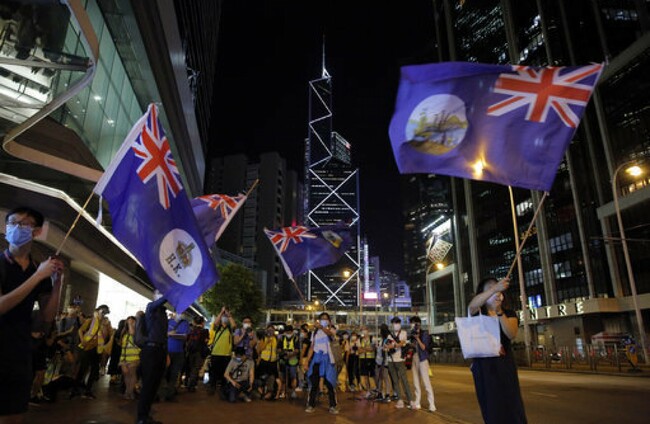
The announcement today was quickly described by pro-democracy politicians and activists as “the end of Hong Kong”. They expressed fears that it will tighten Beijing’s grip on the semi-autonomous city.
China has made clear it wants new security legislation after Hong Kong experienced seven months of massive and sometimes violent pro-democracy protests last year.
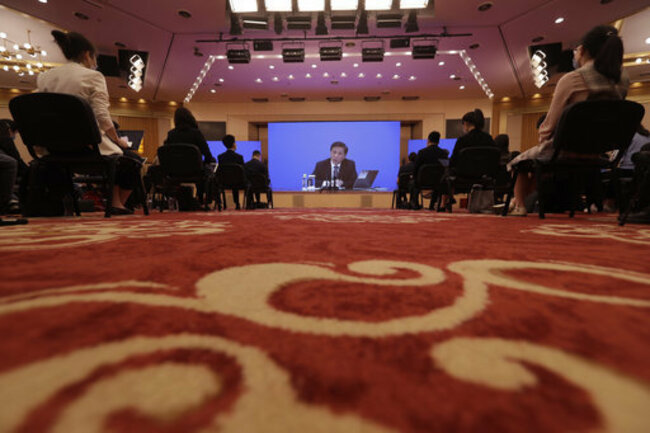
The proposal, planned for the first day of the National People’s Congress, would strengthen “enforcement mechanisms” in the financial hub, the parliament’s spokesman Zhang Yesui said.
China’s parliament considers it “necessary to improve and uphold the ‘One Country, Two Systems’ policy,” Zhang said, referring to the arrangement that has underpinned the city’s liberties and economy.
The city enjoys freedoms unseen in China, which are protected by an agreement made before former colonial power Britain handed the territory back to Beijing in 1997.
US State Department spokeswoman Morgan Ortagus warned that imposing such a law on Hong Kong would be “highly destabilizing, and would be met with strong condemnation from the United States and the international community”.
President Donald Trump promised a response when told of the move on Hong Kong.
“I don’t know what it is, because nobody knows yet. If it happens, we’ll address that issue very strongly,” Trump said.
Hong Kong’s largest pro-Beijing political party DAB voiced its support for the “responsible move”.
However, pro-democracy politicians criticised the proposal.
“This is the end of Hong Kong, this is the end of One Country, Two Systems, make no mistake about it,” Civic Party lawmaker Dennis Kwok told reporters.
Politician Tanya Chan said that China had “shown zero respect for Hong Kong people” by attempting to enact the law without consultation.
“Many Hong Kongers must be as angry as us now, but we must remember not to give up,” she added.
Chris Patten, Hong Kong’s final British governor before the 1997 handover, said the proposal signalled a “comprehensive assault on the city’s autonomy” and would be “hugely damaging”.

To embed this post, copy the code below on your site












have your say