Sign in. It’s quick, free and it’s up to you.
An account is an optional way to support the work we do. Find out more.
Sign in. It’s quick, free and it’s up to you.
An account is an optional way to support the work we do. Find out more.
THE WORLD HEALTH Organisation (WHO) has said that Mpox is “not the new Covid”. They said that a lot is already known about the disease, including how to control it, making the measures seen during the pandemic unnecessary.
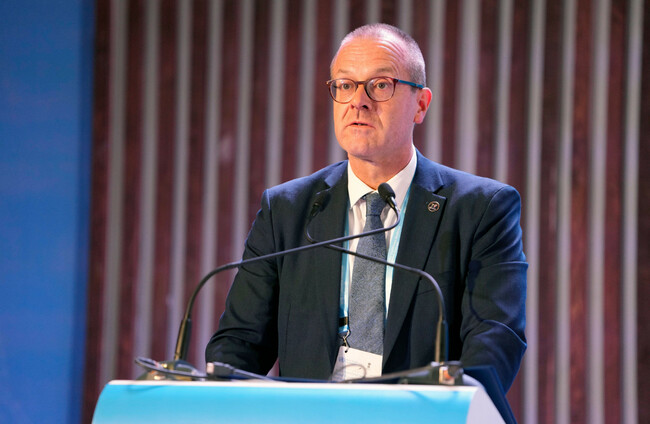
Hans Kluge, the WHO’s European director, said that “two years ago, we controlled mpox in Europe thanks to the direct engagement with the most affected communities”.
“We put in place robust surveillance; we thoroughly investigated new cases contacts; and we provided sound public health advice. Behaviour change, non-discriminatory public health action, and mpox vaccination contributed to controlling the outbreak.
“Are we going to go in lockdown in the WHO European region, is it another Covid-19? The answer is clearly: ‘no’,” he said.
However, the WHO said last week that the outbreak in Africa was a global health emergency. As of yesterday there had been over 16,700 reported cases in the Democratic Republic of Congo, with 570 deaths.
Kluge said that more work was needed to fully understand the Clade 1b strain which triggered the UN agency.
The current outbreak in Africa is caused by clade I mpox; this tends to result in a higher number of severe infections and has a higher mortality rate.
A new virus strain, clade Ib, has been detected in the east of the DRC and has also been confirmed in Burundi, Kenya, Rwanda and Uganda.
Clade II mpox caused the global outbreak in 2022, which led to more than 95,000 cases across 115 non-endemic countries including Ireland. The vast majority of people who contact clade II mpox survive.
Mpox was previously declared a public health emergency in July 2022 after outbreaks of the virus in several countries, but this status was lifted in May 2023.
With reporting from © AFP 2024.

To embed this post, copy the code below on your site










have your say