Sign in. It’s quick, free and it’s up to you.
An account is an optional way to support the work we do. Find out more.
Sign in. It’s quick, free and it’s up to you.
An account is an optional way to support the work we do. Find out more.
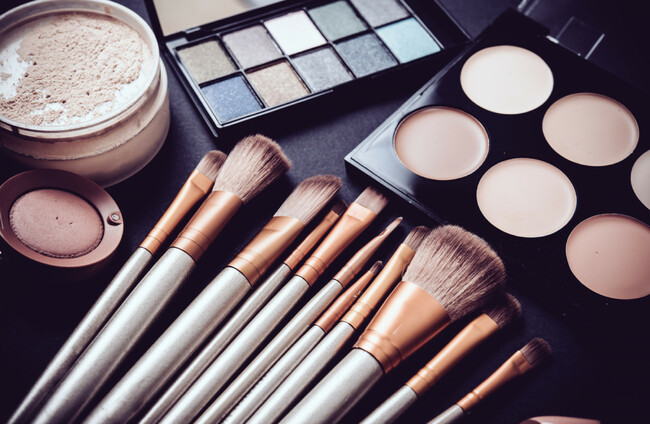
MAKEUP IS HIGH up on many people’s Christmas present lists this year – but there are warnings about counterfeits doing the rounds, particularly as recently such products have been found to contain arsenic and lead.
The Health Products Regulatory Authority (HPRA) and the Health Service Executive (HSE) both warned consumers to be vigilant when purchasing ‘high-end’ leading brands of beauty products on sale through certain outlets such as markets and websites at Christmas.
The HPRA said that Christmas has been a time when counterfeit cosmetic products, which can be harmful to human health, have been found in Ireland.
It said that last year, 728 counterfeit and imitation cosmetics products were detained by HPRA and seized on entry to the country by Revenue’s Customs Service.
The majority of these products were eye shadows and lip products. Subsequent tests identified that some contained harmful substances such as arsenic and lead.
The HPRA said that some of these products were purchased online from websites based outside of the EU and sold to Irish consumers online and through social media.
They were also found in some trade shows and at markets throughout the country. Kylie Cosmetics by Kylie Jenner and Urban Decay were among some of the counterfeit cosmetic brands which were found to contain these illegal substances in 2017.
Emer O’Neill, Cosmetics Product Manager, HPRA, explained:
“We can’t emphasise enough the need for consumers to exercise caution and to be vigilant when purchasing cosmetics this Christmas. While it may be tempting to avail of cheaper prices, counterfeit products could cost you your health.”
It is extremely concerning that highly toxic substances, such as arsenic and lead, have previously been detected in some products. Prolonged exposure to both of these banned substances can severely damage health causing potential harm to the brain and kidneys, among other organs. The suppliers of these products are unconcerned about the health of the consumers who purchase them.
She said that if you are unsure, suspicious, or if a product is much cheaper than in a high street store or pharmacy, the HPRA strongly advises against taking the risk.
“Legitimate products are always the safest option. Beauty brands usually list their licensed retailers on their websites and this is the best way for consumers to ensure that they are purchasing a legitimate cosmetic product,” O’Neill said.
The HPRA also said that possible toxic ingredients aren’t the only danger – the way the products are manufactured and the safety and cleanliness of the production environment is unknown.
In Ireland, the market surveillance of cosmetic products is carried out by the HPRA and the Environmental Health Service and Public Analysts’ Laboratories of the HSE.
How to spot counterfeit cosmetics
Ask yourself:
Physically check counterfeit cosmetics for:
The HPRA always advises consumers to ensure that the product is labelled with a European address. This means there is a company in Europe responsible for ensuring it complies with quality and safety requirements.
If you have any concerns about a product you have purchased that you think may be counterfeit, do not use it. Contact the supplier and the European manufacturer listed on the label.
Then report any sellers of counterfeit cosmetic products to An Garda Síochána on 1800 666 111, and report anyone who is illegally importing counterfeit cosmetic products to Revenue on 1800 295 295.
It also says you should report any negative health effects to your healthcare professional, the manufacturer (contact details on product packaging) or directly to the Health Products Regulatory Authority. Its website is www.hpra.ie and email is cosmetics@hpra.ie

To embed this post, copy the code below on your site












have your say