We need your help now

Support from readers like you keeps The Journal open.

You are visiting us because we have something you value. Independent, unbiased news that tells the truth. Advertising revenue goes some way to support our mission, but this year it has not been enough.

If you've seen value in our reporting, please contribute what you can, so we can continue to produce accurate and meaningful journalism. For everyone who needs it.

Alamy Stock Photo

The international DNA policing project 'giving back names' to anonymous murdered women

The strategy is part of a major project by the international policing agency.

INVESTIGATIONS BY INDIVIDUAL police forces into the deaths of unidentified women are being assisted by an Interpol project to give those women names and deliver answers for their families. 

The strategy is part of a major project by the international policing agency involving six European countries – Netherlands, Germany, Belgium, France, Spain and Italy.

The women investigators are seeking to identify were each found in one of those countries. 

Most are cold cases – ten, twenty and in some cases up to forty years old. In many of the cases, the women are believed to have been murdered. 

The Identify Me initiative is managed from the police agency’s base in Lyon, France, and led by British woman Susan Hitchin. 

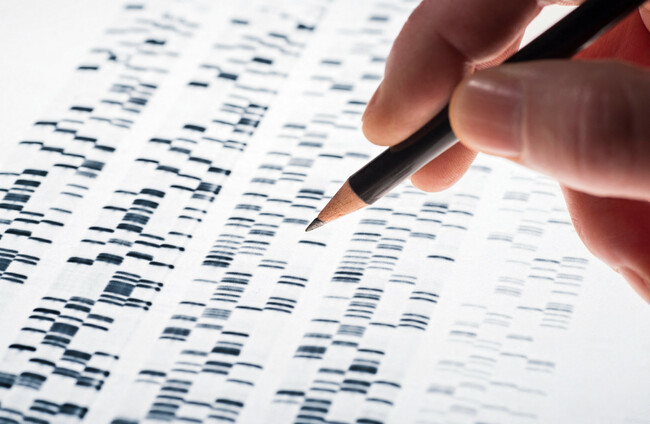
In a briefing with The Journal on a recent visit to the agency’s headquarters Hitchin said that their strategy uses DNA data gathered in various locations. Agencies from the six countries taking part in the project are able to cross reference the database with their anonymous victim’s DNA. 

They can also search for information on biometric data like body tattoos and fingerprints. 

Interpol has issued a ‘Black Notice’ for each of the cases – an international alert to police forces to seek information about unidentified bodies. While the detail of these alerts is available only to police, some information has also been made public on the agency’s website.

Said Hitchin: “We work in criminal cases, so solving murders, rapes, but also with missing persons, using the DNA, particularly of biological relatives, to help identify unidentified human remains.

“This has been an absolute groundbreaking initiative by Interpol.

“It’s the first of its kind, this type of database to use family members to find missing persons.” 

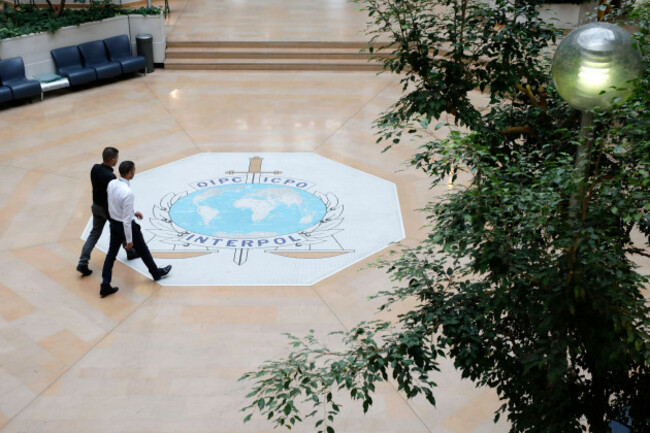
file-in-this-nov-8-2018-file-photo-people-walk-on-the-interpol-logo-of-the-international-police-agency-in-lyon-central-france-south-koreas-kim-jong-yang-was-elected-as-interpols-president-on-w Inside Interpol headquarters. Alamy Stock Photo Alamy Stock Photo

The women

The work has had its successes. So far it has identified four women. 

The first was Rita Roberts, a British woman, who was identified 31 years after she was murdered in Belgium. A family member recognised her tattoo from news coverage.

Ainoha Izaga Ibieta Lima, from Paraguay, 33, whose remains were found in Spain, was identified from her fingerprints in 2025. Liudmila Zavada, a 31-year-old Russian citizen who died in Spain, was identified through a fingerprint match with a national database in Turkey. Her identity was subsequently confirmed by Russian authorities using kinship DNA analysis.

Eva Maria Pommer, a 35-year-old German citizen, was identified following a tip-off to police in the Netherlands. Subsequent DNA testing confirmed her identity, 21 years after her death.

“We’re always optimistic. When we started this campaign, we as a community, we were saying, if we can just get one identification, it will be worthwhile,” Hitchin said. 

INTERPOL / YouTube

Shining a light

Speaking of the work of the Identify Me project, Hitchin said it was aimed at “giving names back to these women who have died through violence, and, if possible, open up new investigative leads to potentially find the person that had caused their death”.

They initially looked at 22 cases and that was then expanded to 47. Hitchen said there are now even more cases being brought to the team. 

They have heard that there are several cases in which there are promising leads being developed as part of investigations.

The key is use of biometrics – data like fingerprints, iris scans and other data which can be used to identify individuals. 

Hitchen said improved sharing of such data could lead to many more cases being solved. 

Readers like you are keeping these stories free for everyone...
A mix of advertising and supporting contributions helps keep paywalls away from valuable information like this article. Over 5,000 readers like you have already stepped up and support us with a monthly payment or a once-off donation.

Close
JournalTv
News in 60 seconds