Sign in. It’s quick, free and it’s up to you.
An account is an optional way to support the work we do. Find out more.
Sign in. It’s quick, free and it’s up to you.
An account is an optional way to support the work we do. Find out more.
EGYPTIAN PRESIDENT HOSNI Mubarak’s decision to remain in office has drawn widespread criticism although he has been bolstered by the backing of the country’s army.
Mubarak was widely expected to stand down last night, bringing an end to his 30-year rule.
However in a televised statement he said he would pass some of his powers to his vice president, intelligence chief Omar Suleiman, who would oversee a transition ahead of elections in the autumn. The precise details of this remain unclear.
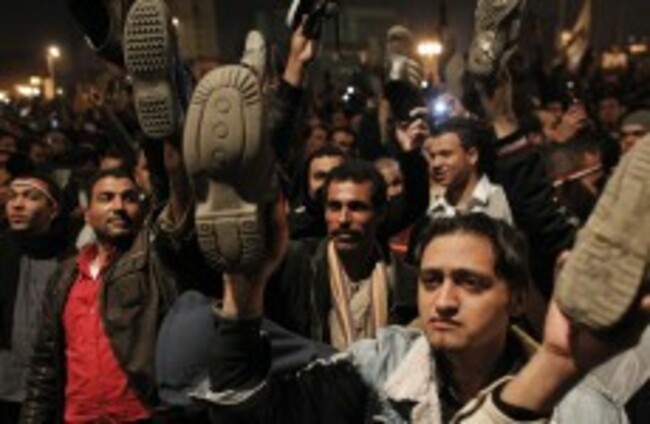
Protesters in Cairo’s Tahrir Square who were watching the statement reacted angrily to Mubarak’s comments, raising their shoes as a sign of disrespect towards their president, reports the BBC.
President Obama issued a strongly worded statement in response saying it was “imperative that the government not respond to the aspirations of their people with repression or brutality”.
This morning, the Egyptian army’s Supreme Military Council appeared to indicate that they would not take issue with the transition timeline being proposed by President Mubarak but said they would guarantee free and fair elections when they do take place.
The army also said they would repeal the country’s 30-year-old emergency rule when the “current situation has ended”.
But they called for a return to normal life despite thousands of protesters returning to Cairo’s symbolic Tahrir Square today, according to Al Jazeera.

To embed this post, copy the code below on your site















have your say