Sign in. It’s quick, free and it’s up to you.
An account is an optional way to support the work we do. Find out more.
Sign in. It’s quick, free and it’s up to you.
An account is an optional way to support the work we do. Find out more.
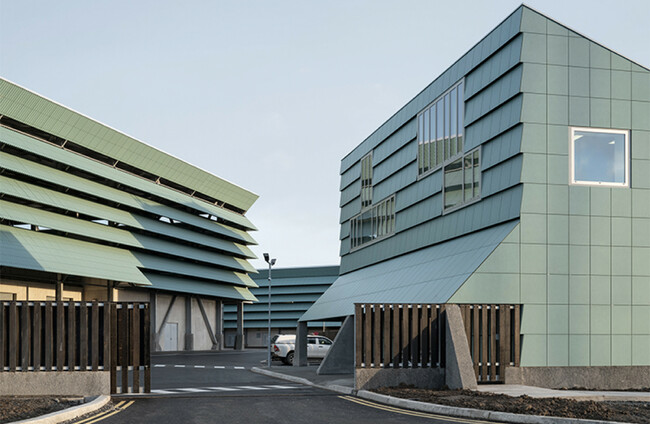
CONTENDERS FOR IRELAND’S favourite architectural project of 2025 have been announced as voting opens to the public.
The 36th annual Public Choice Award hosted by the Royal Institute of the Architects of Ireland (RIAI), which has seen past winners include the Criminal Courts of Justice in 2010 and the Royal College of Surgeons premises at St. Stephen’s Green, features 48 candidates this year.
The prize is given to the building or public space that exhibits the most excellence in design and delivery of buildings.
The Lark Concert Hall in Balbriggan, north Dublin is the current holder of the coveted prize, and it looks as though this year’s competition is highly contested as the shortlist for 2025 has been announced.
Here are ten of the 48 projects vying for the title.
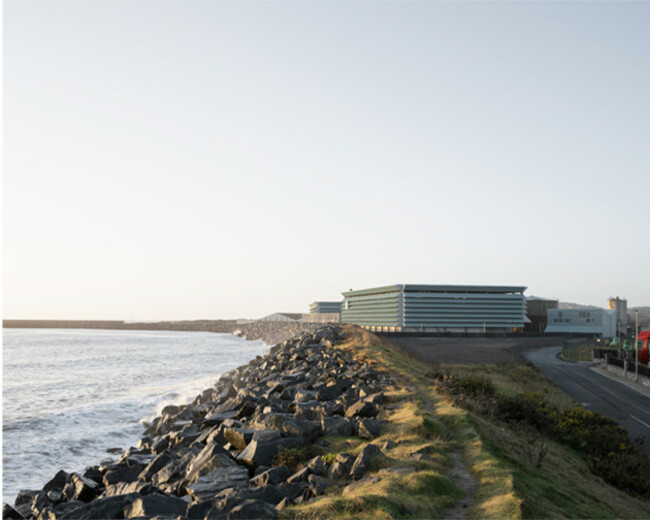
Warmly referred to as a ‘cathedral of crap’ by The Guardian owing to its implicitly stated role in the Wicklow town, the inspiration for the €139 million project comes from the Sydney Opera House.
The construction has been vaunted for its smooth aesthetic design which was completed by Clancy Moore Architects in collaboration with Ayesa Engineers on behalf of Uisce Éireann.
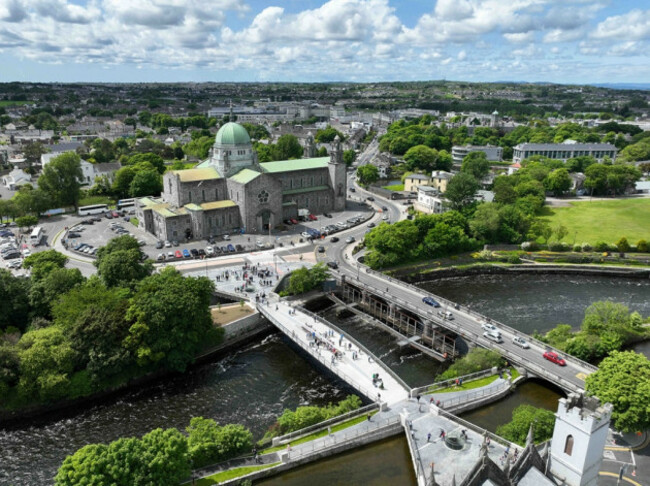
Meaning ‘Bridge of Hope’ in Irish, this new project stands beside the old Salmon Weir Bridge on the River Corrib in front of the Cathedral of Our Lady Assumed into Heaven and St Nicholas.
Developed by Seán Harrington Architects, the bridge serves as a thoroughfare for pedestrians and cyclists alike, traversing three waterways to connect the University of Galway and the city centre.
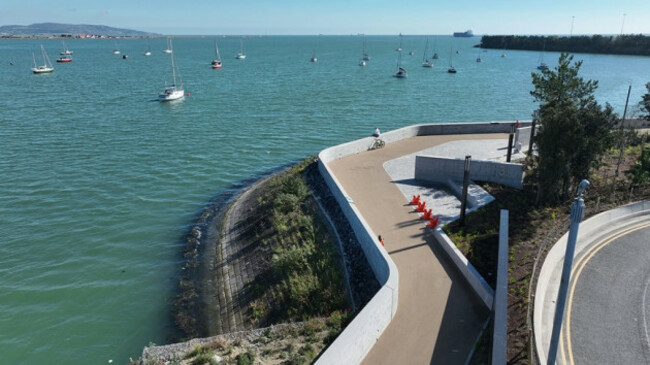
Conceptualised by Darmody Architecture and TTT (thirtythreetrees), this greenway sheds its former status as desolate wasteland, stretching 2.2km at Dublin Port to overlook the Dublin skyline and port.
It contains a series of three distinct character spaces and celebrates Dublin Port’s industrial heritage and history.

Howley Hayes Cooney Architecture took on the role of refurbishing this iconic Irish landmark in Trinity College Dublin’s city centre campus.
The tower underwent extensive repair works after centuries of wear and tear to conserve its aesthetic.
Expert craftsmen were deployed to restore the tower’s most important features and to undo substandard previous works.

Located along the serene Grand Canal, Henry J Lyons produced this silky merge of heritage and modernity.
It functions as an office space and is recognisable by its complex façade work achieved by virtue of its restoration works to the surrounding building’s older structure, incorporating a reimagined entrance plaza and water feature.
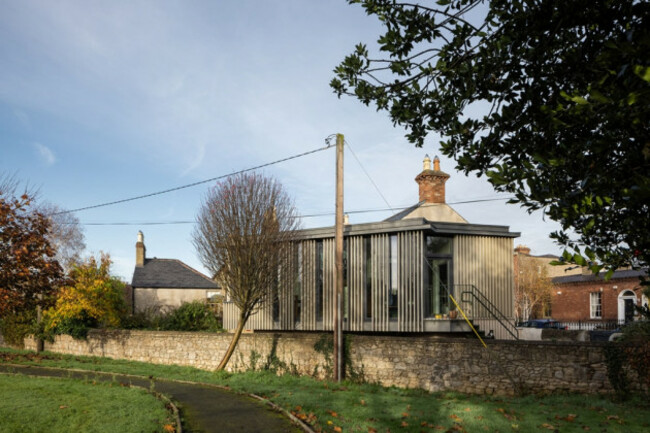
A modernised extension to a Victorian house in leafy south Dublin overlooks the Royal Hospital Donnybrook.
Its timber screen front covers a kitchen pitched above the level of the historic wall beneath, projecting new age design conceived by desiun architects.
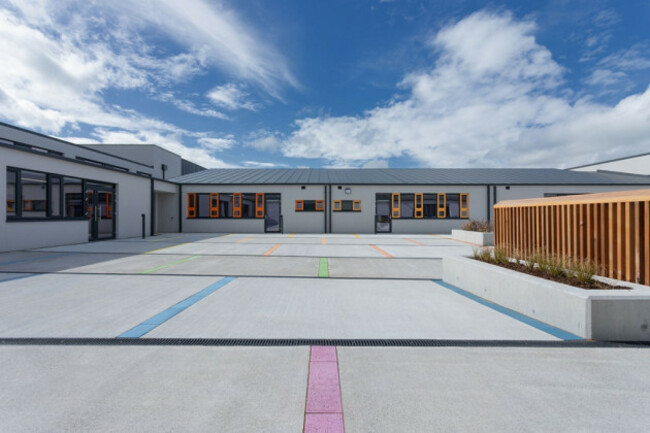
A twelve-classroom primary school project by SJK Architects is up for this year’s award for its colourful splash of creativity in bringing education alive for its 330 pupils.
It features a two-classroom integrated Special Education Needs unit and invites daylight and openness into its immaculate design.
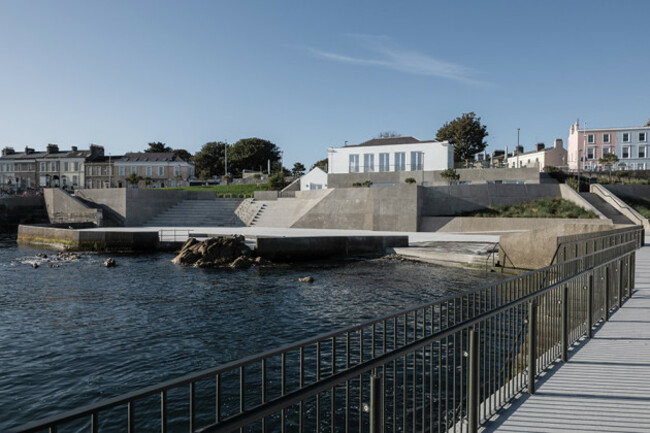
This public infrastructure work by dlr architects and A2 Architects on the 400-metre stretch of south Dublin coastline produced accommodates a café, toilets and artist studios.
It has introduced a new walkway between Newtownsmith’s promenade and Dún Laoghaire’s East Pier with new viewing points.
There are also accessible ramps, seating and a sculpture of Roger Casement on a new jetty.

Hall Black Douglas is behind this design for the purposes of providing an inclusive “living room” to local people.
It serves to marry Monaghan town’s urban and rural landscapes into a symbol of the future by gathering a museum, library and youth hub around accessible community spaces.
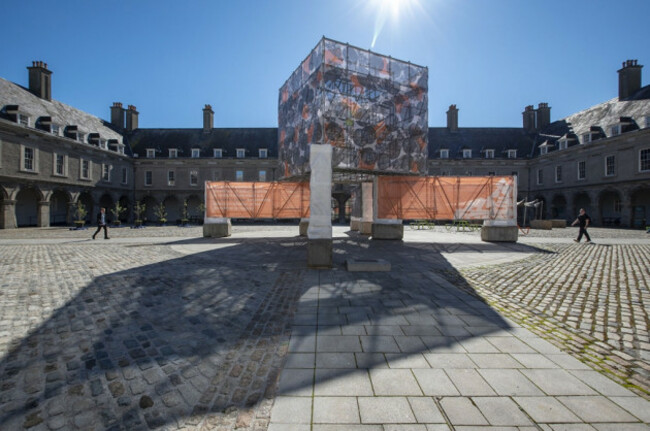
Led by Islander Architects, this project in October 2023 to raise awareness of the waste levels produced by the construction industry.
It calls on policy makers, councils, construction industry workers and clients to take urgent climate action.
This public installation in the courtyard of the Irish Museum of Modern Art in Dublin 8 attempts to visually exhibit the sheer volume of waste created in the building process and included input from industry professionals and students of construction.
To embed this post, copy the code below on your site










have your say