Sign in. It’s quick, free and it’s up to you.
An account is an optional way to support the work we do. Find out more.
Sign in. It’s quick, free and it’s up to you.
An account is an optional way to support the work we do. Find out more.
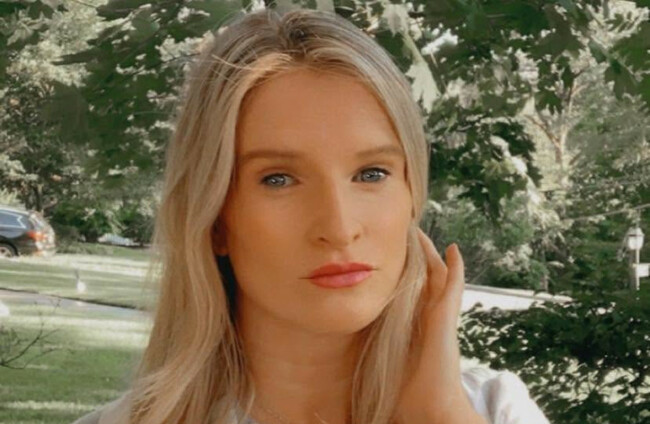
THREE DAYS AFTER Jamey Carney was discovered dead in her Killarney home, and news had broken that the case was being treated as a murder, in which her ex-boyfriend was the chief suspect, an anonymous person wrote on a community Facebook page for a large Irish town:
“Hi, I was previously in a relationship where my partner was abusive… for a long time I didn’t tell anyone for many reasons, the biggest was what people would think of me and what people would say”.
(The partner they are referring to is a separate individual not related in any way to the Jamey Carney case).
The writer went on to describe how they had become ‘very upset’ upon seeing the comments online about Jamey Carney’s murder “blaming her for what happened”.
“Other victims could see those comments and not leave a dangerous situation because they might get such cold and callous comments and be treated with no empathy,” the person said.
In the last 10 days, Jamey Carney’s Facebook and Instagram accounts were overwhelmed with abusive messaging from social media users who blamed her for her own murder, who berated her for having dated a Jordanian man, and who took issue with the public views she held, namely her support for Palestine:
“Look at you now…”
“That attitude of yours was your undoing.”
“‘My Mohammed is different,’ she thought; she was wrong. Her fight for social justice is over”.
“It’s hard to sympathise because she did this to herself. She finally got the most authentic experience”.
An analysis of 20 abusive comments showed that the accounts that posted them were not associated with any identifiable person, and didn’t use a person’s name in their account title. The few that have legitimate looking names had no posts.
As of yesterday Carney’s Instagram has been switched to private (though over 2,400 comments, many of them abusive or mocking, remain under her last post) and Facebook users who were not ‘friends’ with her on the platform can no longer leave comments on her posts.
It’s not clear if this is a result of Meta taking action, or of loved ones gaining access to the accounts and changing the privacy settings.
But these types of comments were up publicly on Carney’s profiles for 10 days and had been read widely.
Christine Lodge, the chief executive of Safe Ireland – a national charity that delivers frontline services to those impacted by domestic and gender-based violence, says that seeing this rhetoric around a victim of femicide will “set survivors back”.
“People who have been victims of domestic violence reading those comments will not only be retraumatized, but I really fear they’ll be deterred from making decisions to leave an abusive relationship for fear of this type of backlash; it could actually stop someone from fleeing to safety,” Lodge said.
She added that the number of comments being made about immigration “is dreadfully harmful”.
“It distracts from what is at the core of the issue, which is that women continue to be killed at a significant rate in this country, most often by men that are known to them,” Lodge said.
The chief executive added that she “completely” supports Micheál Martin’s comments in the Dáil during leaders’ questions this week, wherein he called the material that’s been posted online “filthy”, and stressed that social media firms have an “obligation” to tackle abusive content on their platforms.
Meta has pointed out that people can report comments that they deem to be hate speech, bullying or harassment.
The Journal asked Coimisiún na Meán, Ireland’s media regulator, if its officials have been in touch with Meta or any other social media platforms about the comments made about Jamey Carney.
A spokesperson said in reply that the state body “would encourage anyone who sees illegal or harmful content online to report it to the platform where they saw it.”
They added that if a person sees no action taken on foot of their report “they can contact Coimisiún na Meán for advice and support” and that where there is a possible breach of the law, the issue can be escalated to its complaints team.
Lodge said that the issue with this approach in cases such as this one, where a person’s social media is suddenly brought to the attention of a range of online actors, is that it burdens the family of the victim with reporting comments “at any incredibly traumatic time”.
“This is really harmful, so it’s something I am going to champion going forward and push for change on, because a more proactive approach is needed,” she added.
Members of the public can also report abusive comments they believe may be in breach of the law to An Garda Síochána.
If you have been affected by any issues raised within this article, support is available here:

To embed this post, copy the code below on your site














have your say