Sign in. It’s quick, free and it’s up to you.
An account is an optional way to support the work we do. Find out more.
Sign in. It’s quick, free and it’s up to you.
An account is an optional way to support the work we do. Find out more.
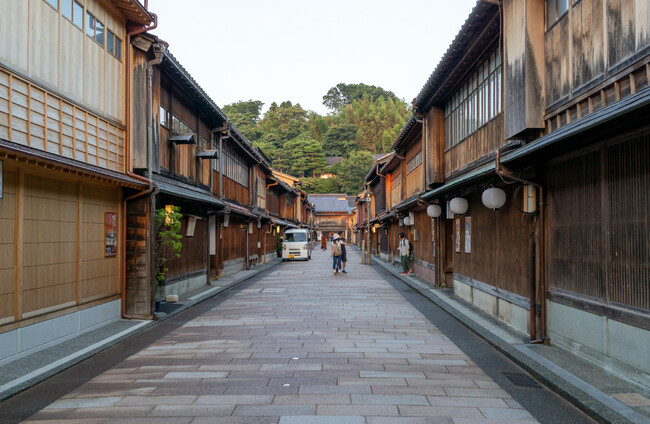
A MAGNITUDE 6.3 earthquake struck central Japan today, forcing the suspension of bullet train services, but no tsunami warning was issued, authorities said.
Shinkansen bullet trains were suspended between Nagano and Kanazawa, a popular tourist destination, according to Japan Railway.
There were no immediate reports of deaths or damage.
The quake hit the central Ishikawa region at 2.42 pm (05.42 GMT) at a depth of 10 kilometres, according to the Japan Meteorological Agency.
Today is a public holiday in Japan, part of a run of days off known as “Golden Week”, a time when many people travel for leisure or to visit family.
In the city of Suzu the quake registered an upper six on the Japanese Shindo seismic scale, which goes up to a maximum of seven, meaning it could cause major landslides.
The United States Geological Survey put the magnitude of the quake at 6.2 and said it struck just off the coast, but Japan’s Meteorological Agency placed the epicentre on land.
Earthquakes are common in Japan, which sits on the Pacific “Ring of Fire”, an arc of intense seismic activity that stretches through Southeast Asia and across the Pacific basin.
But Japan has strict construction regulations intended to ensure buildings can withstand strong quakes and routinely holds emergency drills to prepare for a major jolt.
A 6.9 magnitude quake struck a fishing village on the Noto peninsula in the same region in 2007, injuring hundreds and damaging more than 200 buildings.
Japan is haunted by the memory of a massive 9.0-magnitude undersea quake off northeastern Japan in March 2011, which triggered a tsunami that left around 18,500 people dead or missing.
The 2011 tsunami also sent three nuclear reactors into meltdown at Japan’s Fukushima nuclear plant, causing the nation’s worst post-war disaster and the most serious nuclear accident since Chernobyl.
Government spokesman Hirokazu Matsuno told reporters in Tokyo no abnormalities had been detected at the Shiga and Kashiwazaki-Kariwa nuclear power plants in the affected area.
In March last year, a 7.4-magnitude quake off the coast of Fukushima shook large areas of eastern Japan, killing several people.
The capital Tokyo was devastated by a huge earthquake in 1923.

To embed this post, copy the code below on your site











have your say