Sign in. It’s quick, free and it’s up to you.
An account is an optional way to support the work we do. Find out more.
Sign in. It’s quick, free and it’s up to you.
An account is an optional way to support the work we do. Find out more.
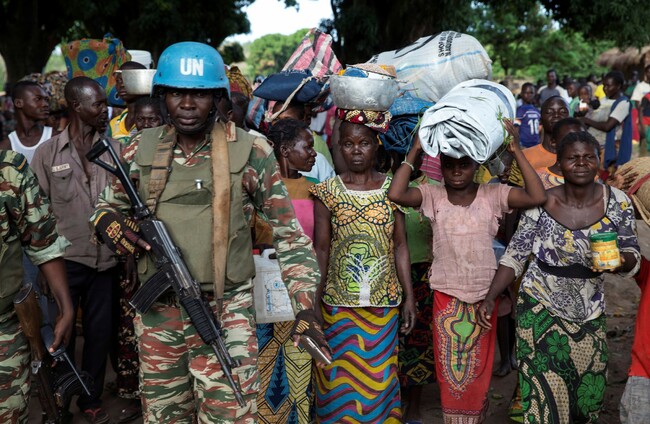
IRELAND IS TO give €5.5 million in humanitarian assistance in response to the crises in the Lake Chad Region and the Central African Republic (CAR).
Minister for Foreign Affairs Simon Coveney announced today that Ireland will give €4.3 million to the United Nations and the International Committee of the Red Cross in response to the Lake Chad Region crisis.
The crisis is affecting over 10 million people across North-East Nigeria, Cameroon, Chad and Niger.
A further €1.2 million will be given to the United Nations High Commissioner for Refugees (UNHCR) to assist refugees from CAR.
Escalating violence
Violence between the Seleka rebel coalition (mainly Muslim) and the anti-balaka (Christian militia), which included waves of ethnic cleansing, has divided CAR over the past year.
As conflict spreads and intensifies in the Central African Republic, dozens of civilians are being killed and wounded.
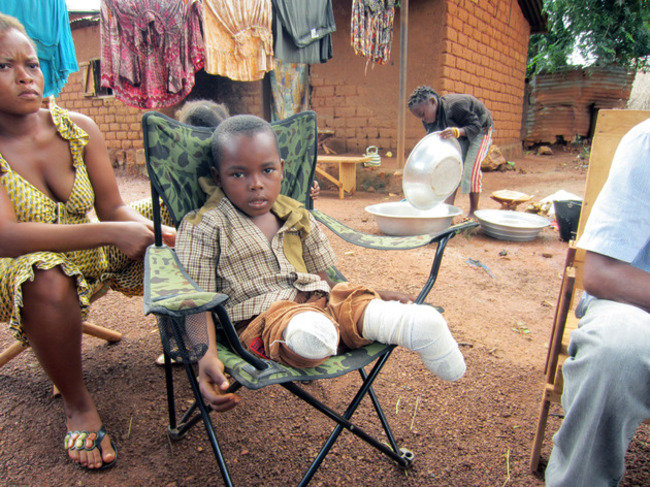
Thousands are being forced to flee for their lives and are receiving little to no humanitarian assistance, according to the international medical humanitarian organisation Médecins Sans Frontières (MSF).
“Our teams have witnessed summary executions and have found mutilated bodies left exposed to terrorise populations. Civilians are traumatised and many have fled to the bush where they are surviving on whatever they can find,” René Colgo, MSF’s deputy head of mission said.
Announcing the funding, Coveney said:
Violence, coupled with longstanding underdevelopment and poverty, has had a devastating impact on countries of the Lake Chad Region and Central African Republic, resulting in suffering and unimaginable trauma for the people of these regions.
Ireland strongly condemns violence perpetrated against innocent people.
In 2016, Ireland provided €5.8 million to those in need in the Lake Chad Region.
With reporting by Gráinne Ní Aodha

To embed this post, copy the code below on your site














have your say