Take part in our latest brand partnership survey

We need your help now

Support from readers like you keeps The Journal open.

You are visiting us because we have something you value. Independent, unbiased news that tells the truth. Advertising revenue goes some way to support our mission, but this year it has not been enough.

If you've seen value in our reporting, please contribute what you can, so we can continue to produce accurate and meaningful journalism. For everyone who needs it.

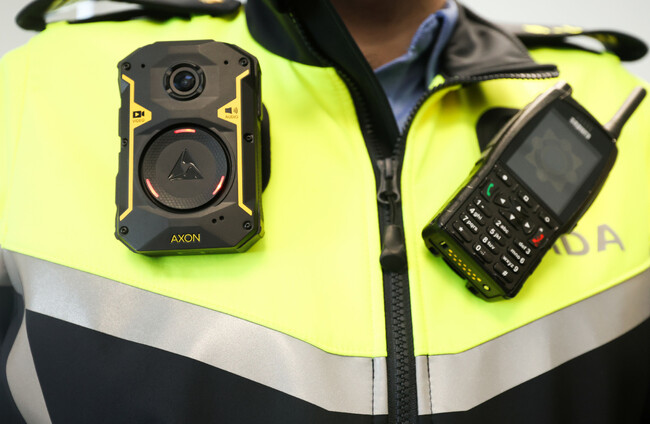
Leah Farrell/RollingNews.ie

Cabinet approves legislation giving gardaí power to use facial recognition in investigations

The Department said the technology will be subject to “strict safeguards” and save gardaí from spending months “trawling” through footage during investigations.

GARDAÍ WILL BE able to use facial recognition technologies to investigate serious criminal offences under new legislation approved by Cabinet today. 

The Garda Síochána (Recording Devices) (Amendment) Bill 2025 will allow gardaí to sort, filter and compare relevant images from photo or video evidence, such as CCTV, as part of criminal investigations, State security matters or in missing person cases.

It will also allow for the retrospective use of biometric analysis by gardaí, including the retrospective searching of images. 

The Department of Justice said the introduction of the technology “will save Gardaí thousands of vital work hours improving their ability to analyse evidence in a timely manner that will positively impact on the successful investigation of crime”.

It said that currently, Garda investigations can involve teams spending months “trawling through CCTV footage, or footage captured on phones or from passers-by”.

The technology will also support the health and wellbeing of gardaí by sparing them “harrowing work” of manually going through large volumes of material relating to cases of child sexual abuse and human trafficking.

The Department said the technology will be subject to “strict safeguards” and a Code of Practice that will outline the specific data protection and human rights controls that have to be considered when it is used.

The code will be drafted by An Garda Síochána, in consultation with a range of stakeholders, and finalised by the Commissioner before submitting it to the Minister for Justice.

The Minister will then put it before the Oireachtas. If passed, the code will be included in a Statutory Instrument, making it a public document.

Justice Minister Jim O’Callaghan said the technology does not seek to identify a person, but instead “find instances of an individual across relevant images or footage, where it is necessary and proportionate to utilise”. 

“There will not be any automated decision-making on foot of the results of an analysis. There will be human intervention by a trained Garda member,” O’Callaghan said.

He said the legislation will achieve a “balance” in doing “what is necessary to prevent crime, enhance public safety and maintain national security”. 

The use of the technology will be monitored by a High Court judge “on an ongoing basis”, who will have the power to access and inspect any official documents or records relating to its use, O’Callaghan said. 

The judge will also provide an annual report to the Taoiseach. 

Groups such as the Irish Council for Civil Liberties (ICCL) previously raised concern about how facial recognition technology could be used, particularly around whether it is used without warranted suspicion.

The ICCL said it is “strongly opposed” to the technology being used by law enforcement, and said that An Garda Síochána has a “poor record on data protection”.

The ICCL previously called for a ban on the police use of facial-recognition technology, arguing that it poses an “extreme risk to rights.”

There has also been opposition from some academics, at an ICCL organised event, who believe it is open to abuse by police

The Green Party had also raised concerns about making facial recognition technology (FRT) available to gardaí, which was addressed earlier this year when separate legislation was proposed to regulate the area.

Readers like you are keeping these stories free for everyone...
A mix of advertising and supporting contributions helps keep paywalls away from valuable information like this article. Over 5,000 readers like you have already stepped up and support us with a monthly payment or a once-off donation.

Close
JournalTv
News in 60 seconds