We need your help now

Support from readers like you keeps The Journal open.

You are visiting us because we have something you value. Independent, unbiased news that tells the truth. Advertising revenue goes some way to support our mission, but this year it has not been enough.

If you've seen value in our reporting, please contribute what you can, so we can continue to produce accurate and meaningful journalism. For everyone who needs it.

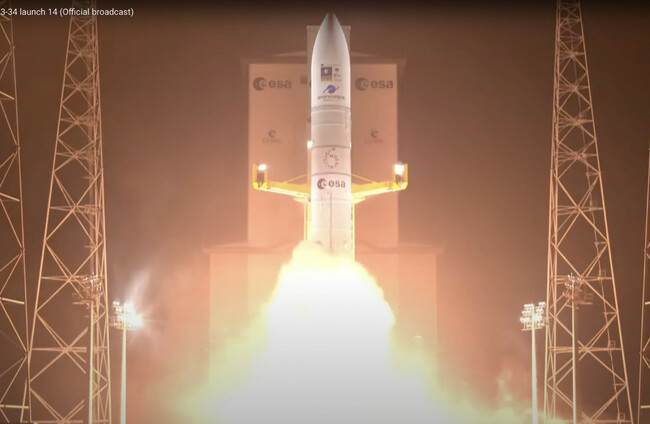
Life-off of Ariane 6 this morning European Space Agency

Lift-off for European Space Agency rocket with Irish-designed technology

Irish space company Réaltra provides the Video Telemetry System for the rocket, while Nammo Ireland supplies components for two of the six engines.

A EUROPEAN ROCKET using Irish-designed technology has blasted off from France’s Kourou space base in French Guiana.

Lift-off of the Ariane 6 was at 2:01 am local time (5:01 Irish time) for the fourth commercial flight since the expendable rockets came into service last year.

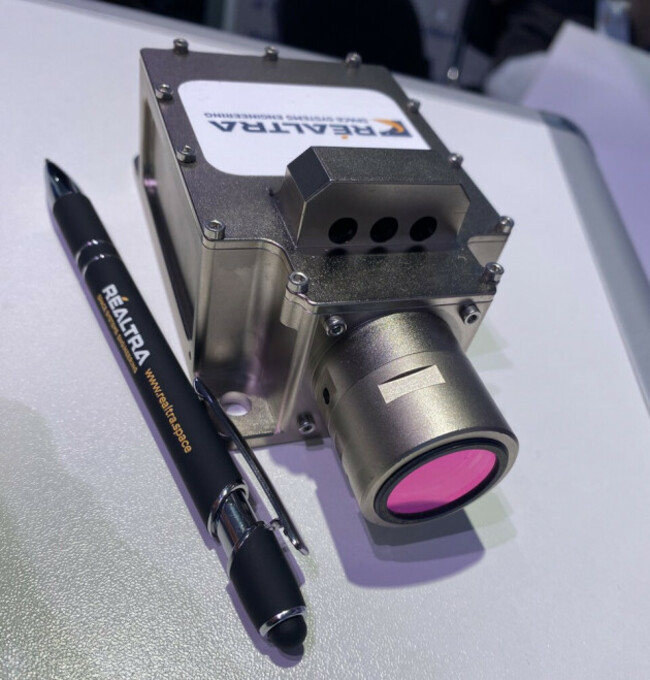
Irish space company Réaltra provides the state-of-the-art technology Video Telemetry System (VIKI) for the rocket.

VIKI_camera_for_Ariane_6_article VIKI camera for Ariane 6 Réaltra Réaltra

The VIKI provides live HD video images from six cameras located on-board the Ariane 6.

Réaltra is the Irish word “galaxy” and the company was founded in 2018.

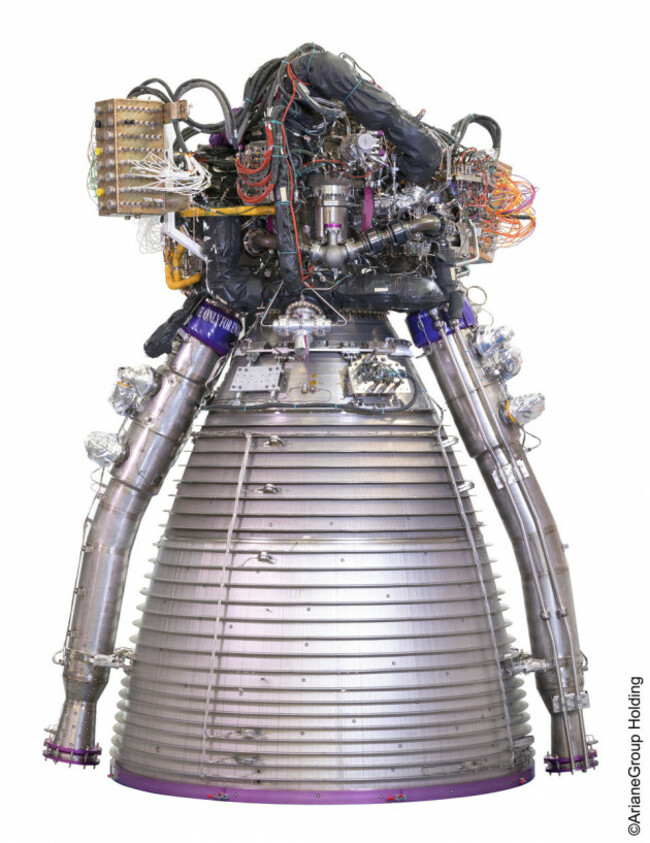
Nammo Ireland meanwhile supplies components for both the Vulcain 2.1 and Vinci engine.

Ariane 6 uses three engines and the Vulcain 2.1 engine on the main stage fires during liftoff to take the rocket into space.

After this, the Vinci engine, located on the upper stage, takes over and steers its payloads to the correct orbit.

Vulcain_2.1_article Vulcain 2.1

In all, 13 countries have contributed to the Ariane 6 and thousands of Europeans have worked on it.

The rocket is carrying two more satellites of the European Union’s Galileo programme, a global navigation satellite system that aims to make the bloc less dependent on the US’s Global Positioning System (GPS).

The two satellites were set to be placed in orbit nearly four hours after lift-off.

They will bring to 34 the number of Galileo satellites in orbit and “will improve the robustness of the Galileo system by adding spares to the constellation to guarantee the system can provide 24/7 navigation to billions of users.

The satellites will join the constellation in medium Earth orbit 23, 222 km above Earth’s surface,” according to the European Space Agency (ESA) which oversees the programme.

Previous Galileo satellites were primarily launched by Ariane 5 and Russian Soyuz rockets from Kourou.

After Russia’s invasion of Ukraine, Europe halted space cooperation with Moscow.

Before the Ariane 6 rocket entered into service in July 2024, the EU contracted with Elon Musk’s SpaceX to launch two Galileo satellites aboard Falcon 9 rockets in September 2024 from the Kennedy Space Centre in Florida.

© AFP 2025 and with additional reporting from Diarmuid Pepper

Author
View 11 comments
Close
11 Comments
This is YOUR comments community. Stay civil, stay constructive, stay on topic. Please familiarise yourself with our comments policy here before taking part.
Leave a Comment
    Submit a report
    Please help us understand how this comment violates our community guidelines.
    Thank you for the feedback
    Your feedback has been sent to our team for review.

    Leave a commentcancel

     
    JournalTv
    News in 60 seconds