Sign in. It’s quick, free and it’s up to you.
An account is an optional way to support the work we do. Find out more.
Sign in. It’s quick, free and it’s up to you.
An account is an optional way to support the work we do. Find out more.
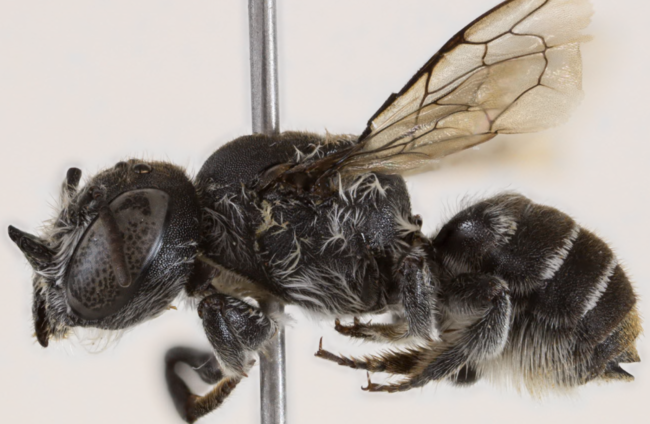
A NEW BEE has been discovered by scientists in Australia: a “lucifer” bee with devil-like horns.
The species, which has now been dubbed Megachile (Hackeriapis) lucifer, was found in the state of Western Australia, Curtin University announced today.
Dr Kit Prendergast at the university’s School of Molecular and Life Sciences discovered the bee while surveying a critically endangered wildflower in 2019 and was immediately drawn to the insect’s unique appearance.
“The female had these incredible little horns on her face,” she said.
Prendergast said the female bee’s unusual horned face inspired its name lucifer – Latin for “light-bringer,” but also a playful nod to the devilish look.
A fan of the Netflix TV show “Lucifer”, she said the name was the perfect fit for the bee.
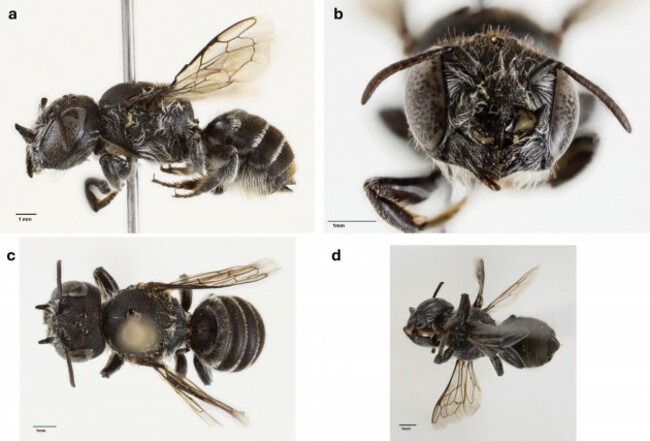
“DNA barcoding confirmed the male and female were the same species and that it didn’t match any known bees in DNA databases, nor did the specimens I had collected morphologically match any in museum collections.
“It’s the first new member of this bee group to be described in more than 20 years, which really shows how much life we still have to discover,” Prendergast said.
She added that she hopes the discovery will raise awareness about the number of undiscovered species that could still be out there, especially in areas threatened by mining.
“Many mining companies still don’t survey for native bees, so we may be missing undescribed species, including those that play crucial roles in supporting threatened plants and ecosystems,” she said.
“Without knowing which native bees exist and what plants they depend on, we risk losing both before we even realise they’re there.”
Almost all flowering plants depend on wild pollinators, particularly bees, but habitat loss and climate change are driving many vital species to the brink of extinction.

To embed this post, copy the code below on your site















have your say