Sign in. It’s quick, free and it’s up to you.
An account is an optional way to support the work we do. Find out more.
Sign in. It’s quick, free and it’s up to you.
An account is an optional way to support the work we do. Find out more.
THERE WAS A time in the 1950s in which Americans were terrified – daily – of the Atomic Bomb.
Children were shown public service broadcasts in school to show them how to react if the unthinkable happened.
Pamphlets were delivered to homes outlining the immediate threats of atomic annihilation.
Bomb shelters were the norm.
Not surprising given that during the Cold War, the US and the Soviet Union were stockpiling deadly weapons.
That nightmare almost became a reality for a town in South Carolina on 11 March 1958.
At 3.53pm, a group of four B-47E planes took off from Hunter Air Force Base in Savannah, Georgia. They were heading to England where they would perform mock bomb drops.
All of the planes were issued a MK 6 nuclear bomb in case of an emergency situation. To ensure the bomb was extra secure, a locking pin in the plane’s bomb harness was supposed to be engaged. However, there was an issue with the harness and Bruce Kulka (a flight navigator) was sent to take a look.
Here’s what happened next, according to Florence Museum:
Bruce, a short man, while attempting to pull himself up on top of the bomb to inspect its locking harness accidentally grabbed the bomb’s emergency release mechanism. It was at this moment that Bruce and the MK-6 fell down on to the plane’s bomb bay doors. The combined weight of the bomb and Bruce forced the bomb-bay doors open and released the MK-6 into free fall. Bruce in desperation grabbed for something and was able to save himself from the 15,000ft drop. But there was no stopping the bomb. It had just left the plane.
The bomb
The Mark 6 bomb was not nuclear when it fell. Its nuclear capsule was kept in a separate compartment in the plane called the birdcage.
Although it wasn’t nuclear, the bomb was still 10 foot long, weighed 7,000lbs and carried significant amounts of explosives.
The landing
The Gregg family were at home in their Mars Bluff property at 4.34pm that day.
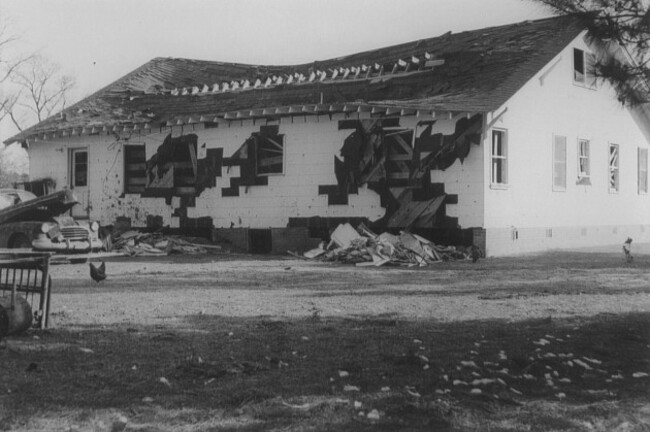
Walter ‘Bill’ Gregg and the rest of his family only received minor injuries when the bomb hit their land but their property was completely destroyed and some of their animals, including chickens, killed.
The impact made a 50×70 foot crater in the ground that was up to 30 feet deep. The detonation levelled pine trees and destroyed the Gregg home.
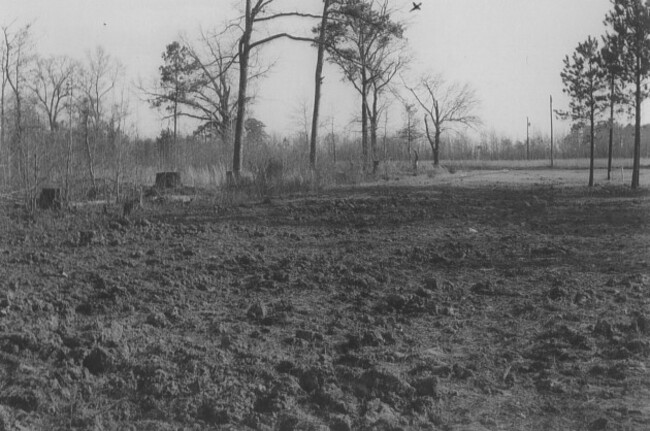
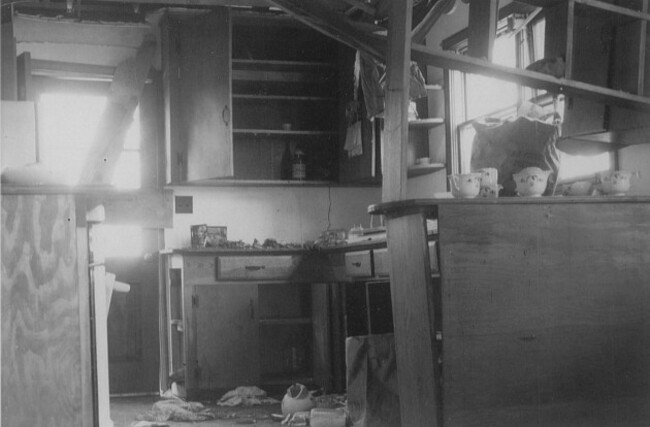
The property shifted off its foundation and everything inside was ruined.
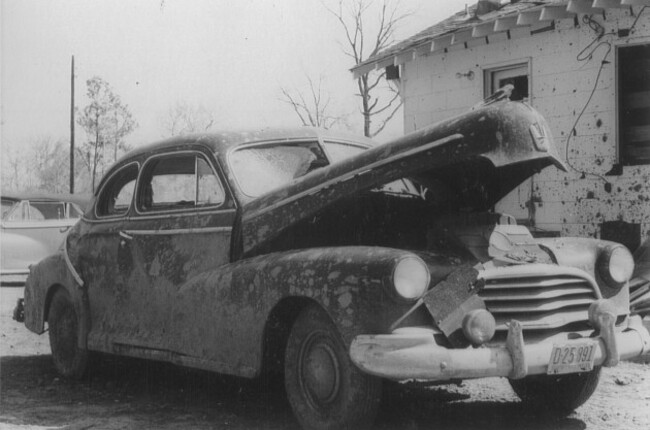
Two of Gregg’s cars, including a Chevrolet were also destroyed.
An eyewitness, JA Sanders, reported that the forces of the shockwave turned his moving car around while he was driving on a nearby highway.
Eight miles away, more Florence County employees reporting hearing the explosion and seeing a cloud of dust.
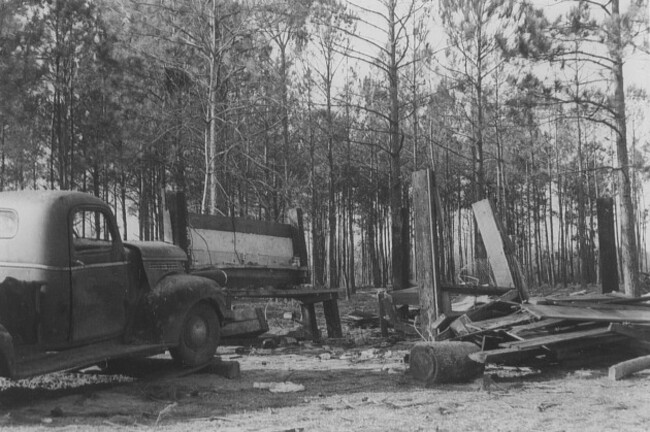
Personnel from the Air Force were soon on the scene to clean up and let the community know there was no nuclear elements in the bomb. They also asked residents to hand in any fragments of the classified bomb to local authorities should they find them.
According to the museum, “The Mars Bluff Incident marks one of the few times during our nation’s history that an atomic bomb has detonated on US soil. Fortunately for our community, the Mars Bluff bomb wasn’t armed with it’s nuclear elements at the time.”
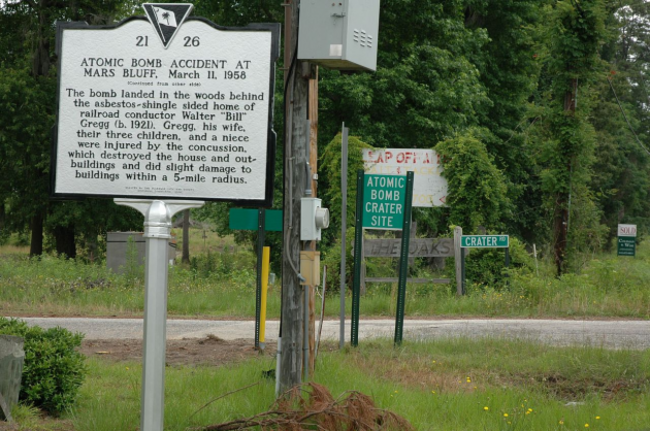
Today, there are still a few markers of the infamous day in the town. The site is now home to Crater Road and a sign to mark the event.
Watch the news report from the day:
All images (with the exception of the last one pictured) were photographed by Alice Beaty shortly after the incident in 1958. These images were in turn donated to the collection of the Trustees of the Florence Museum.

To embed this post, copy the code below on your site












have your say