Sign in. It’s quick, free and it’s up to you.
An account is an optional way to support the work we do. Find out more.
Sign in. It’s quick, free and it’s up to you.
An account is an optional way to support the work we do. Find out more.
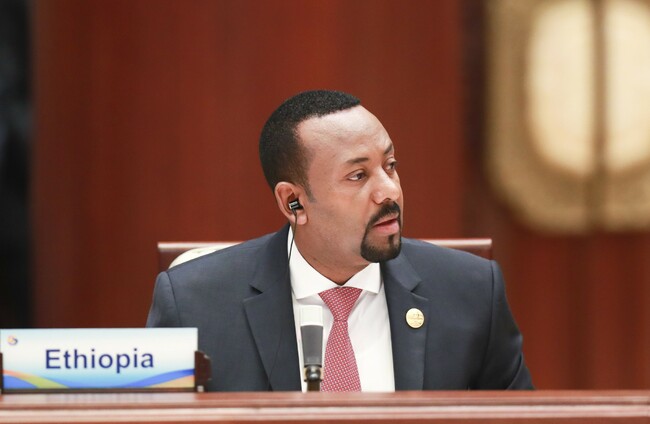
ETHIOPIAN PRIME MINISTER Abiy Ahmed Ali has been awarded this year’s Nobel Peace Prize.
The Nobel committee announced the prize this morning, saying that it had granted the prestigious prize to Ali for “his efforts to achieve peace and international cooperation, and in particular for his decisive initiative to resolve the border conflict with neighbouring Eritrea”.
Ali had been among the favourites to win the prize following his and his government’s work in securing a 2018 peace deal with its neighbour in Eritrea.
Climate action campaigner Greta Thunberg had been the bookies favourite to win the peace prize but misses out on the award for 2019.
The Nobel Committee does not reveal who was nominated for the prize until 50 years after each year’s prize is announced but Thunberg was known to be among this year’s nominees.
Ali’s deal put a formal end to the Ethiopia-Eritrea border war, which erupted in 1998 and left tens of thousands dead before hostilities ended in 2000.
Despite the ending of active violence, a final peace deal remained elusive.
The ensuing cold war stymied development and trade, and undermined regional security, but in a surprise move earlier last year, Abiy began peace overtures, which were welcomed by Eritrea.
Key to this was Abiy’s acceptance in June of a UN-backed court ruling in 2002 demarcating the contested border.
It eventually led to the land border between the two nations opening for the first time in 20 years.
“In close cooperation with Isaias Afwerki, the President of Eritrea, this year’s Peace Laureate Abiy Ahmed quickly worked out the principles of a peace agreement to end the long “no peace, no war” stalemate between Ethiopia and Eritrea,” the Nobel Committee said today.

To embed this post, copy the code below on your site













have your say