We need your help now

Support from readers like you keeps The Journal open.

You are visiting us because we have something you value. Independent, unbiased news that tells the truth. Advertising revenue goes some way to support our mission, but this year it has not been enough.

If you've seen value in our reporting, please contribute what you can, so we can continue to produce accurate and meaningful journalism. For everyone who needs it.

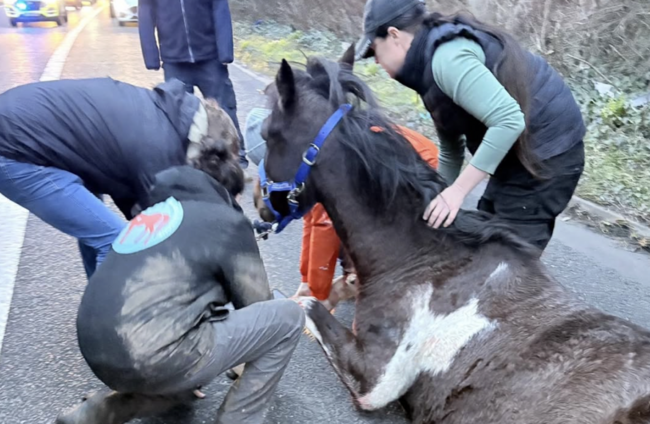
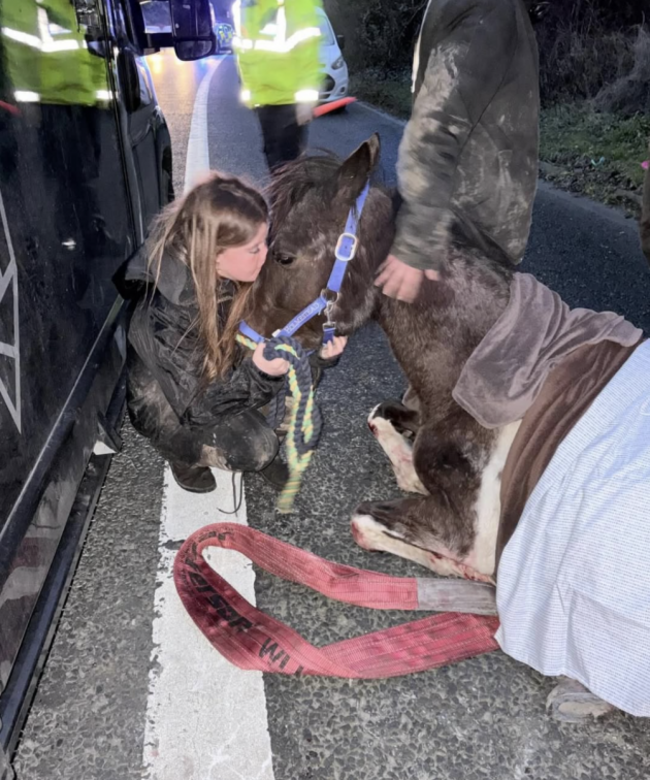
'Anne', the pregnant horse recently left to die in Dublin after sulky racing.

Puppy farms, sulky racing, fox hunting and hare coursing Ireland has a major animal cruelty crisis

While the public demands change, Ireland’s weak laws, poor enforcement and Government inaction are allowing puppy farms, blood sports and racing abuses to flourish, writes Jennifer Whitmore.

IRELAND IS IN the grip of an animal cruelty epidemic. Significant gaps in legislation and lack of enforcement are fuelling the crisis, with no real will at Government level to tackle the issue and animal welfare charities and shelters left to pick up the pieces.

This political inertia is completely at odds with the public’s desire for action. In Ireland, we care deeply about animal welfare.

I know this because every time I bring up the issue in the Dáil or on social media, my inbox is inundated with messages from people either detailing their own experiences or expressing support for change.

Sulky racing

This was the case when I recently raised the horrific story of Anne, a heavily pregnant horse who was forced to take part in a sulky race on Dollymount Strand. When she later collapsed on the N4, she was kicked and beaten before being left on the road to die.

Screenshot 2026-02-17 at 12.40.03 Anne and her foal died after being forced to participate in a sulky race on Dollymount Strand recently. My Lovely Horse My Lovely Horse

My Lovely Horse, a rescue charity, was alerted and brought her to UCD in an attempt to save her life. Tragically, despite everyone’s best efforts, Anne and her foal didn’t survive.

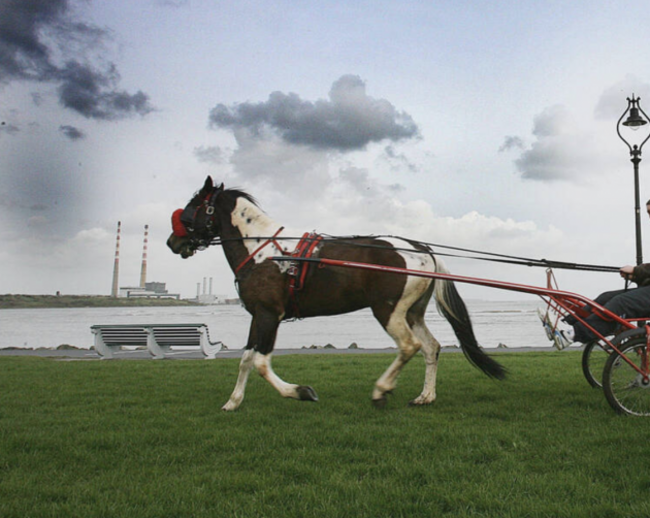
In Ireland, there is no formal licensing system for sulky racing. While unlicensed racing is illegal on public roads, Garda enforcement often falls short, as it can prove difficult to identify the organisers.

Horses, by law, are supposed to be microchipped and have passports. However, this is another area where enforcement is weak.

Screenshot 2026-02-17 at 12.38.36 Sulky racing in Dublin. Rolling News Rolling News

Part of the problem is that multiple agencies – local authorities, An Garda Síochána, the National Parks and Wildlife Service and the Department of Agriculture – are all tasked with overseeing animal welfare regulations.

In the UK, there is a dedicated National Wildlife Crime Unit within the police force. For some time, I have been asking for a similar unit to be established within the Garda to deal specifically with crimes against animals. So far, regrettably, my calls have fallen on deaf ears.

Puppy farms

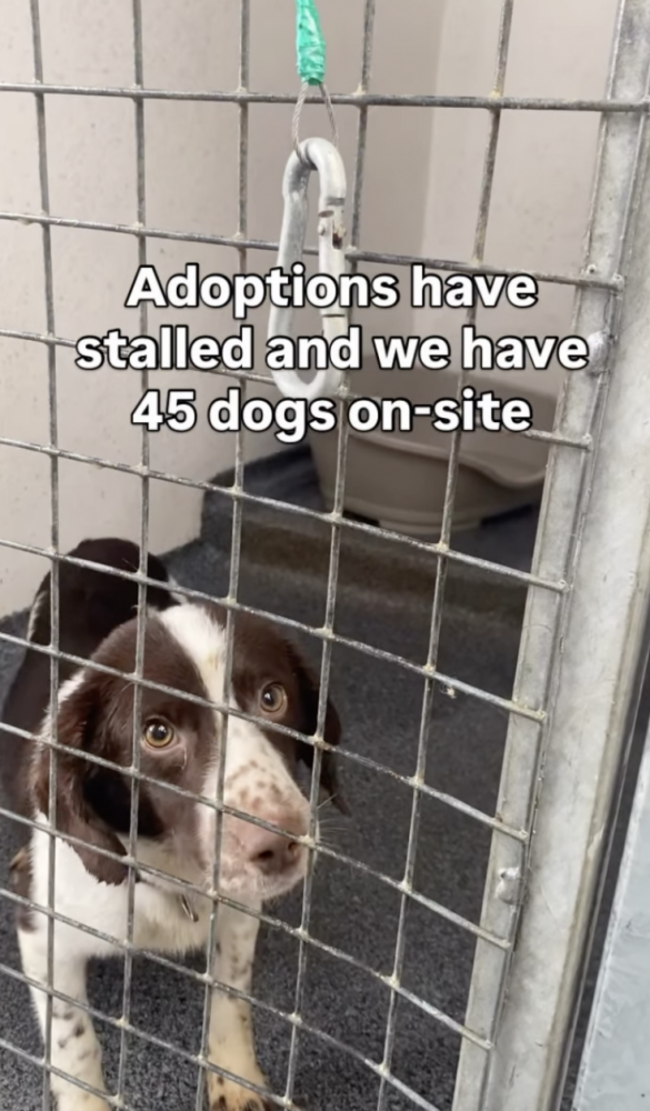
Ireland is facing a dog welfare crisis, with more than 3,000 stuck in pounds and rescue centres around the country. Abandonments have surged since Covid 19, with the cost-of-living and housing crises adding to the problem.

In 2022, 7,352 dogs entered Irish pounds – a 77 per cent increase on 2021, and 340 were euthanised. In 2024, these shocking figures remained largely unchanged.

Screenshot 2026-02-17 at 13.14.32 Cork Society for the Prevention of Cruelty to Animals, Instagram/c.s.p.c.a/ Instagram / c.s.p.c.a/ Instagram / c.s.p.c.a/ / c.s.p.c.a/

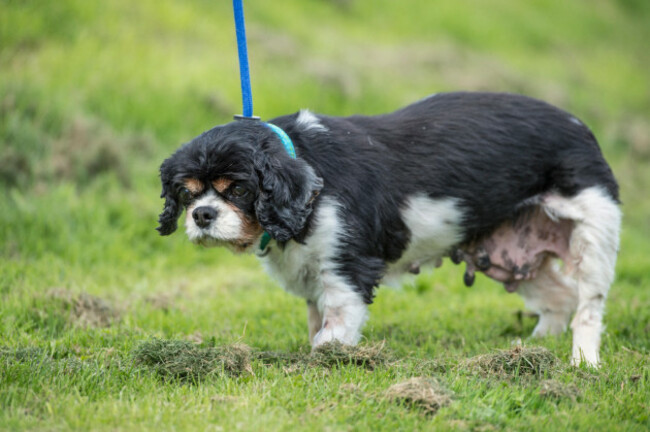
Shamefully, Ireland is now the puppy farm capital of Europe, with 30,000 dogs exported annually into illegal markets in the UK, Europe and Asia. This figure increases by 70,000 if you take backyard breeders into account, where hundreds of female dogs are often kept in atrocious conditions.

This scandalous situation has arisen because of weak regulation under the Dog Breeding Establishments Act 2010. It means females as young as four months can be bred, with no maximum age, and they can have up to six litters in their lifetimes.

Our inadequate laws have left the door open to unregistered breeding and allowed harmful practices like surgical insemination to remain legal.

Last year, I introduced my Dog Welfare (Amendment) Bill 2025, which contains several key measures to strengthen the 2010 Act. These include capping the number of breeding females at 30 per site; introducing a 16-month minimum age for breeding and an eight-year maximum age; a maximum of one litter per year per breeding female; a maximum of four litters per breeding female during her lifetime; a minimum age of 10 weeks for pup separation; mandating 10:1 animal-to-staff ratios for proper care; the outlawing of surgical artificial insemination; and updating fee structures to reflect new welfare standards.

bitch-rescued-from-puppy-farm-uk A femal dog rescued from a puppy farm. Alamy Stock Photo Alamy Stock Photo

There was significant cross-party support for my bill, with Minister of State Noel Grealish indicating at the time that the Government is willing to work with us to address this critical animal welfare issue.

TDs agreed to a nine-month timed amendment to my bill to allow for public consultation and the development of a new Animal Welfare Strategy 2026-2030. The minister expressed confidence that the outcome of this process will align closely with many of the principles of my bill.

While he has yet to meet with me to advance these discussions, I have been in touch with his office and will be pushing the minister to keep his promise.

Greyhound racing

For years, the Social Democrats have been calling for the phasing out of annual State funding for the greyhound racing industry. If it were not being propped up by the taxpayer, to the tune of €20 million in the last budget, this sector would be unable to survive on its own.

This is largely due to declining attendances at race meetings around the country – a sure sign that, clearly, there is no public appetite for a discredited industry that has been tainted by animal welfare controversies.

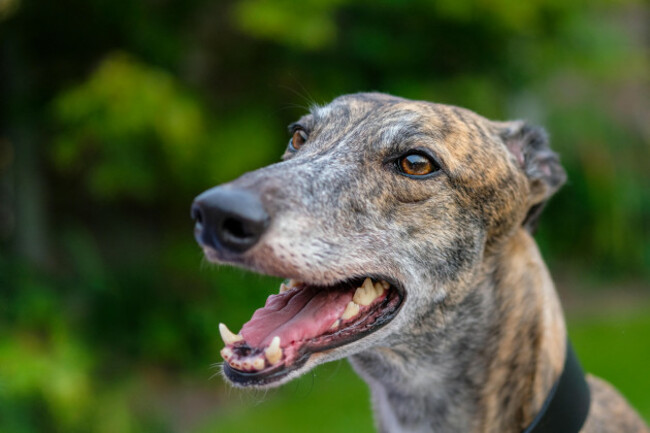
a-happy-greyhound-that-has-retired-from-racing Alamy Stock Photo Alamy Stock Photo

While naturally, there are breeders and trainers who genuinely care for their dogs, they are operating within a sector where animal abuse, cruelty, injuries, fatalities, overbreeding and culls are common.

In addition to the hundreds of dogs that die from racing injuries, we know from the RTÉ Investigates programme in 2019 that around 6,000 greyhounds are killed every year, simply because they are not fast enough.

The problem is compounded by the fact that greyhounds continue to be classified as an agricultural animal, which allows the industry to circumvent normal animal welfare protections, particularly around canine surgical artificial insemination.

Ireland is now among just a handful of countries where greyhound racing is still legal. We must follow the example of countries like Wales and New Zealand by taking steps to ban it for good.

Fox hunting

Last year, the Social Democrats supported a bill brought forward by Ruth Coppinger TD to remove the exemption in the Animal Health and Welfare Act 2013 that allows for fox hunting with dogs. This barbaric activity is now only legal in a small number of countries and has been banned in the UK for 20 years.

fox-hounds-on-leads-at-the-beaufort-hunts-gloucestershire-festival-of-hunting-uk-at-badminton-house-south-gloucestershire-uk-image-shot-1997-exact-date-unknown Alamy Stock Photo Alamy Stock Photo

Despite the nonsensical argument often put forward that fox hunting is an important part of rural Ireland tradition, the public thinks otherwise: for example, a Red C poll showed that 73% supported an outright ban on hunting with dogs, while many farmers have complained about damage to their land and threats to their livestock during hunts.

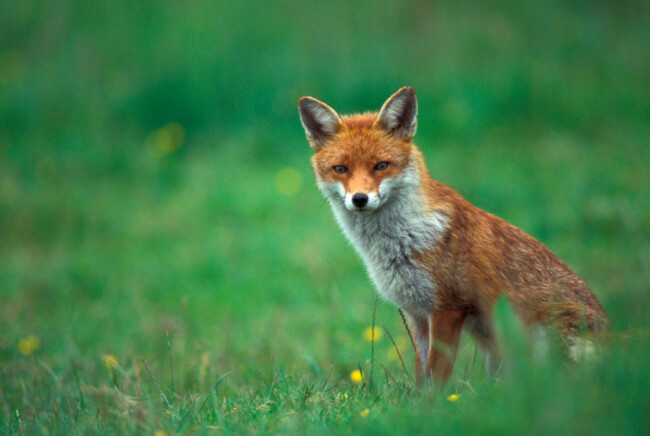
red-fox-vulpes-vulpes-female-eurasia-n-america-n-america-wild-in-southern-england-s Alamy Stock Photo Alamy Stock Photo

However, Ireland continues to be an outlier when it comes to fox hunting after Government-supporting TDs and Sinn Féin voted down Deputy Coppinger’s bill. It was a wasted opportunity to consign this archaic blood sport to history once and for all.

Hare coursing

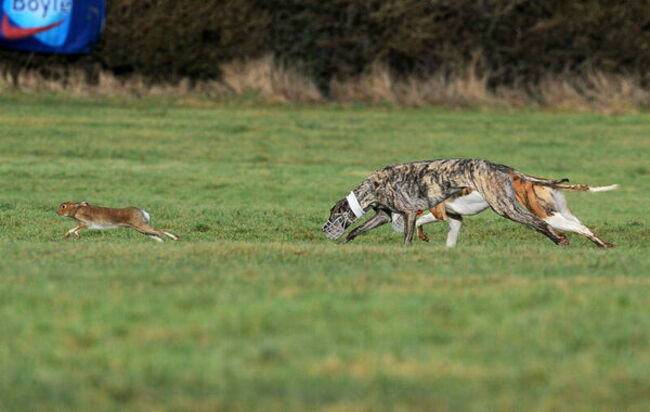
Ireland is one of only three EU countries where hare coursing is still legal. The real irony is that we continue to allow hares to be terrorised by greyhounds in the name of sport for betting purposes, even though they are a protected species under the Wildlife Act. How does that make any sense?

00112551_112551 3/2/2010. Hare Coursing Finals in Tipperary. Rolling News Rolling News

According to a Red C poll, there is only 9% support for hare coursing in Ireland. Despite this, each year the National Parks and Wildlife Service issues licences for hare netting, tagging and release for coursing, with no Government plans to ban it.

Up to 6,000 hares are captured for coursing each year, with many killed or injured during events.

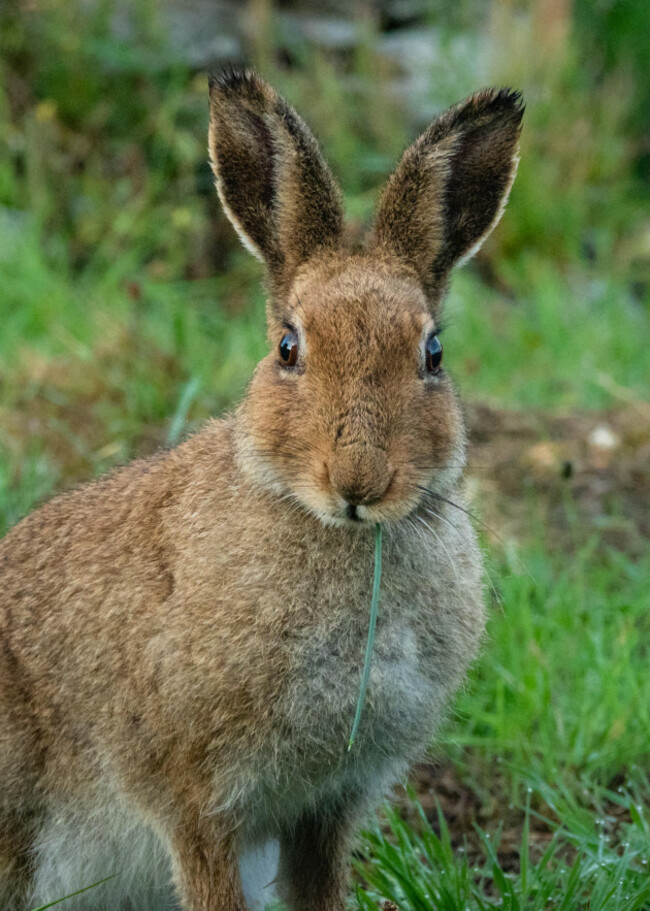
irish-hare-lepus-timidus-hibernicus-a-subspecies-of-the-mountain-hare-eating-grass-in-a-field-on-the-innishnee-peninsula-in-connemara-ireland The Irish hare is protected under Irish law and yet coursing is permitted. Alamy Stock Photo Alamy Stock Photo

There is a separate hare coursing issue that deeply concerns me. Under Section 10 of the licensing conditions, injured or pregnant hares cannot be used for coursing. However, it is impossible for coursing clubs to know, upon capture, if a hare is with a leveret, particularly in the early stages of pregnancy.

The Government needs to introduce my Protection of Hares Bill, which would remove the minister’s power to issue licences for the capture of hares and effectively amount to a ban on coursing.

The greatest challenge here in this country in relation to animal welfare is impunity on the ground and a lack of political will in the corridors of power. We have always prided ourselves on being a nation of animal lovers, but love without laws – and laws without enforcement – are meaningless.

If we are serious about who we are as a society, then we must decide… are we going to continue to subsidise and excuse cruelty, or will we finally match the modern Irish public’s compassion with political courage?

Jennifer Whitmore is a Social Democrats’ TD for Wicklow and is the party’s spokesperson for Agriculture, Food, Fisheries and the Marine.

Readers like you are keeping these stories free for everyone...
A mix of advertising and supporting contributions helps keep paywalls away from valuable information like this article. Over 5,000 readers like you have already stepped up and support us with a monthly payment or a once-off donation.

Close
36 Comments
This is YOUR comments community. Stay civil, stay constructive, stay on topic. Please familiarise yourself with our comments policy here before taking part.
Leave a Comment
    Submit a report
    Please help us understand how this comment violates our community guidelines.
    Thank you for the feedback
    Your feedback has been sent to our team for review.

    Leave a commentcancel

     
    JournalTv
    News in 60 seconds