Sign in. It’s quick, free and it’s up to you.
An account is an optional way to support the work we do. Find out more.
Sign in. It’s quick, free and it’s up to you.
An account is an optional way to support the work we do. Find out more.
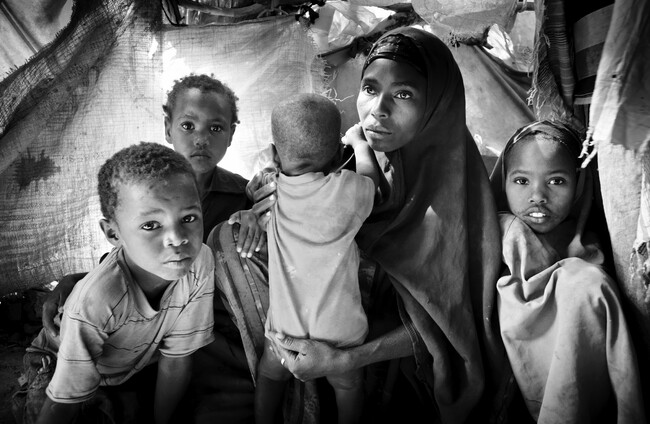

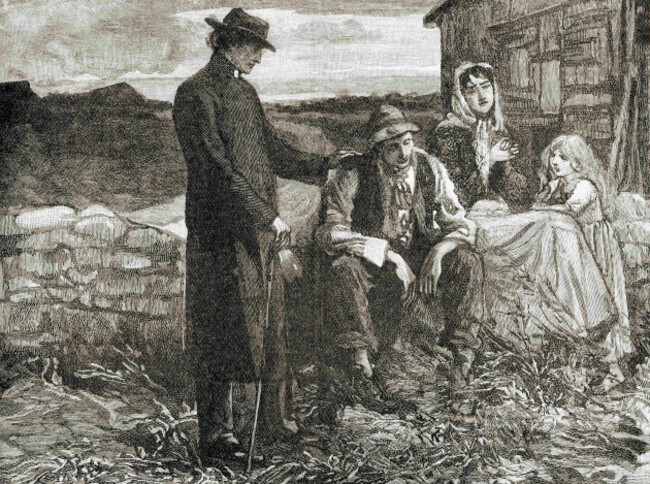
1847 WAS THE year in which Nora “Norry” Tenpenny, along with her seven children, set off from West Cork, to try to find her husband Pat Kelly.
Black ’47 is the name given to that year, the year in which Ireland’s famine was at its peak when death and emigration were rife and other miseries resulting from starvation saw Irish people suffer through plague and unimaginable trauma.
The story of Norry and her family is one I’ll come back to. It’s one that is neither unique nor, sadly, consigned to history.
Over the past couple of weeks, myself and my team joined with other humanitarian charities in Ireland to run a joint Irish Emergency Alliance hunger appeal calling on the Irish people to donate what they can for East Africa, where staggering numbers of people are dying because they do not have enough food or water.
As CEO of World Vision Ireland, a child-focused international charity, I know only too well that the plight of children in this worsening emergency is particularly harrowing. In a time beset by worldwide pressures stemming from Covid, the conflict in Ukraine and other challenges, hunger, far away in other lands, can seem a little abstract.
Desperation
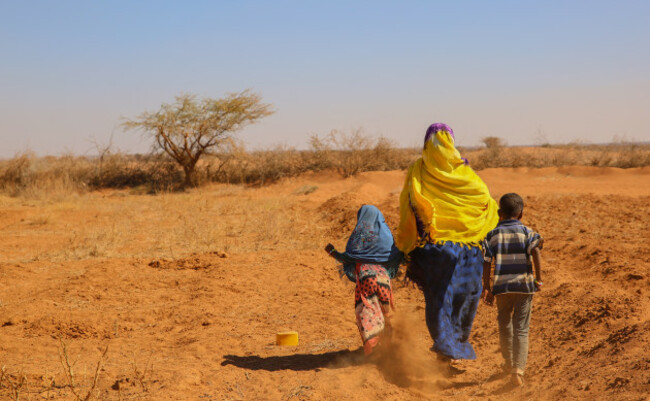
As myself and my colleagues in other aid agencies share our experiences, a story, common to all the reports we’re receiving from our teams in Kenya, Somalia and Ethiopia, is one of the desperation of people trying to find food and water. Across these countries, millions of men, women and children are leaving their homes and, like Norry and her seven children, walking in hope, in a bid to survive.

Norry, Pat and their children had lived at Allihies in West Cork, where Pat worked in the copper mines until famine fever struck and the mines closed down. In an effort to save his family, Pat set off for Bunmahon in county Waterford, where he hoped to find work in the copper mines. Reports indicate he told Norry to follow him if she hadn’t heard from him in two weeks.
When Norry set off 14 days later, with seven children under the age of nine in tow, she was already weak from hunger. Over the course of her walk, a distance of over 200 km, four of her seven starving and sick children, died. Further heartbreak was to follow when the weary remaining survivors reached Bunmahon; they were told that Pat had been buried in a common grave just the night before.
Broken and desperate, Norry, with her surviving three children, turned to face the long walk home. Her youngest, a baby still breastfeeding, she strapped to her back, leaving her free to hold the hands of her now famished and severely weakened other two young children. Along that treacherous, grief-weary journey first one, and then the other young child died.
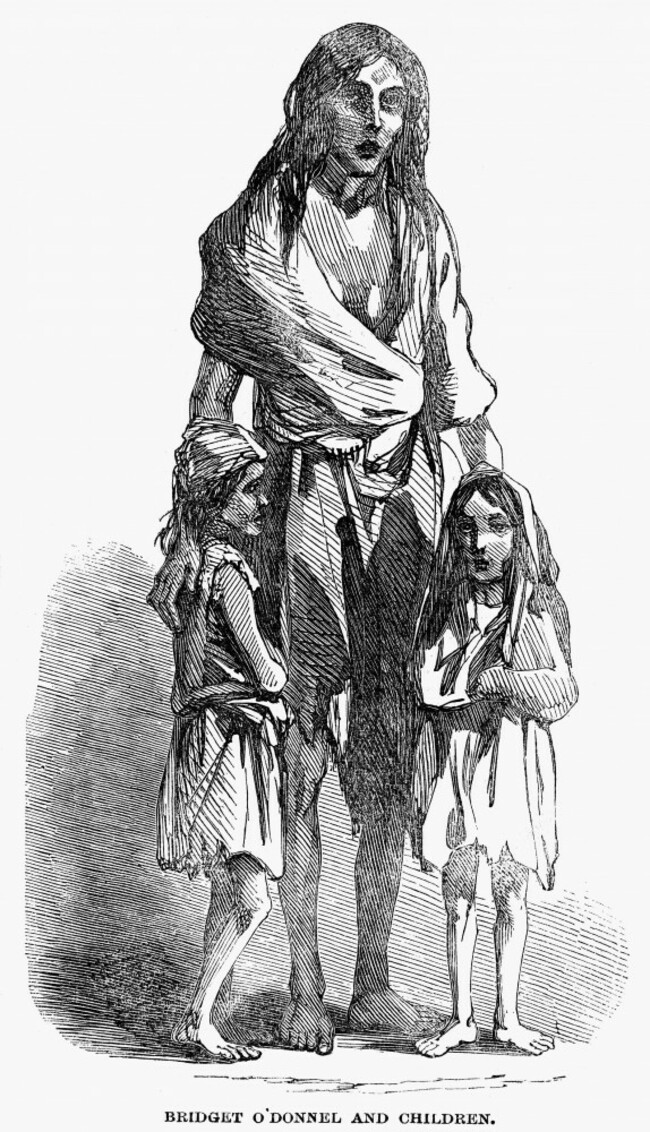
Somehow Norry kept going. After suffering so much, the lure of home and the hope she set on saving her last remaining child kept her going. The pair made it to Allihies. There’s no easy way to say what happened next. When friends helped Norry lift her baby from her back, they found that the baby, still warm, was dead.
Modern suffering
I would love to be able to say that there was some sort of a happy ending to this story, or that it couldn’t be replicated in these ‘modern’ times.
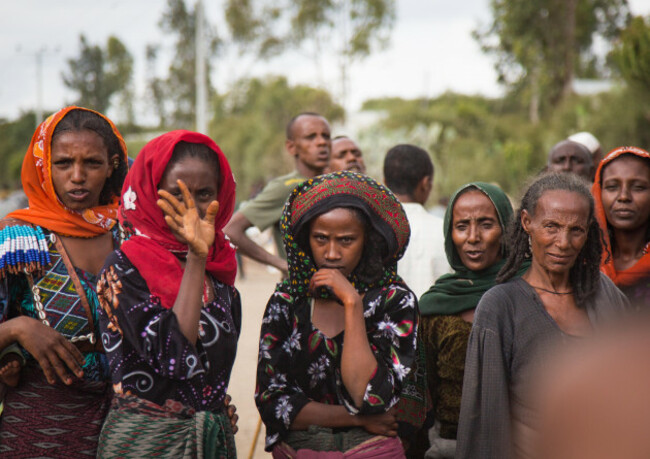
When my colleague Caoimhe de Barra spoke recently of Trócaire’s repeated witnessing of doctors’ attempts in parts of Somalia, to save the last surviving children of starving families, she told a story common to many aid agencies working at the coalface of this most gut-wrenching humanitarian nightmare.
World Vision teams have had similar experiences: day after day we witness compassion and desperation in our dedicated personnel, as they try, all too often, to give hope to mothers watching their own children die in their arms. I’m not being melodramatic here. I’m reporting on stark reality.
Norry survived the tragedy and loss that saw her left alone and grieving for her husband and seven young children. For 40 years she pined; reports say she spent the rest of her life in a frenzy of sleepless nights, praying to God to send back her little ones.

Day after day she walked the roads and laneways in a state of upset, piteously calling out the names of her children, the children she had buried with her own hands along the lonely miles between Allihies and Bunmahon.
It’s over 150 years since Norry died and was buried in an unmarked grave. Her story is mirrored in the stories of the mothers we are encountering on a daily basis in East Africa. Their desperation, grief and needs are no less acute than those of Norry and her stricken family.
Right now, in 2022, an estimated 20 million children, women and men, nearly three times the population of the island of Ireland, are facing starvation in Ethiopia, Kenya and Somalia.
They are suffering the brunt of four failed rainy seasons over the past two years. Some parts of Ethiopia, Kenya and Somalia face the worst drought in 40 years. Harvests continue to fail and nearly nine million livestock have died.
More than 1.5 million people have been forced to abandon their homes, often walking for days in search of food and water. As a declaration of famine in East Africa looms, hope comes in the form of direct aid. World Vision has been operating at an international level for 70 years and we have the infrastructure and experienced teams in the right places.

Any help we receive gives us in World Vision, and those in the wider Irish Emergency Alliance, the wherewithal to be able to provide immediate relief and nourishment. It gives us the resources to be able to provide shelter, psychological support, and long-term assistance that helps children, their families and their communities come through the horror they are living through now, with their dignity intact, facing a healthy future, in safer places, with the means to move forward as independent, self-sustaining communities.
There is hope but we must act now. The situation is so dire for so many.
Gillian Barnett is Chief Executive of World Vision Ireland. She has nearly 20 years of experience in the charity sector. To donate to the emergency appeal, please visit World Vision.
To embed this post, copy the code below on your site














have your say