Sign in. It’s quick, free and it’s up to you.
An account is an optional way to support the work we do. Find out more.
Sign in. It’s quick, free and it’s up to you.
An account is an optional way to support the work we do. Find out more.
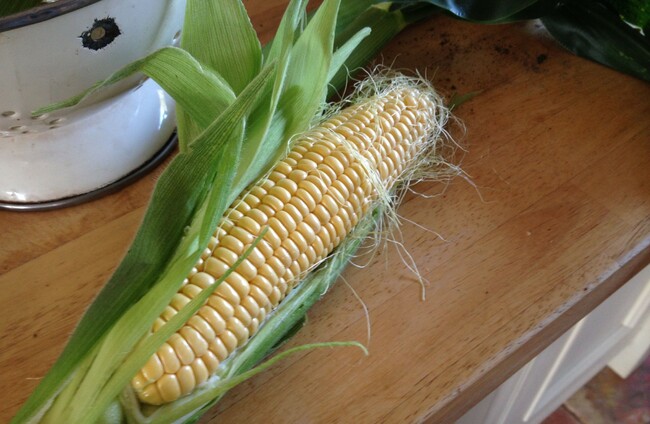

SWEETCORN TAKES UP a good deal of space and gives a relatively small return, just two or so cobs per plant. It can also be difficult to grow well in Ireland given our relative lack of sun.
But the sheer pleasure of harvesting a fresh cob of corn and the incredibly sweet taste make it worth a try.
They say you should run from the veggie patch to the kitchen when you harvest sweetcorn to cook it immediately. This is because as soon as you pick it the sugars in the corn immediately start to turn to starch and so the flavour is degrading literally by the hour. In other words, you will never taste anything like homegrown sweetcorn.
Sowing
Sow indoors in small pots about 2-3cm deep – one seed per pot. Delay sowing until May. They will need temperatures of 20 degrees Celsius, so a warm sunny windowsill or a heating mat is required. Harden off well before planting out.
Growing
Plant out the seedlings when they are 8cm tall (in June). They need warmth, shelter and sunshine to thrive.
Sweetcorn plants are wind-pollinated so to facilitate this they are sown in “blocks” or double rows rather than a long single row. Plant them 40cm apart.
Weed carefully around plants to avoid damaging the plant’s shallow roots.
Sweetcorn plants don’t need a lot of watering except when the cobs are starting to fatten up.
Earth up around the stems to give plants support. A top dressing of good compost around plants will help keep the soil moist.
Sweetcorn can be grown wherever suits in your patch – they don’t need to be included in your rotation plan.
Harvesting
Timing is crucial.
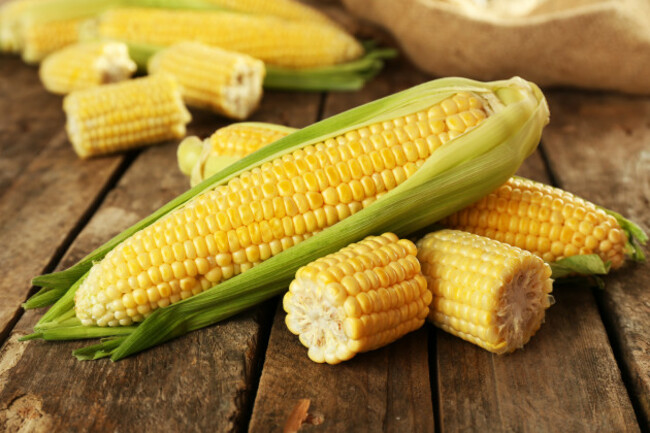
Sweetcorn is generally ready when the tassels at the top of the plant (the male flowers) turn brown.
When this happens, check to see if the corn has yellowed. To test whether a cob is ready, peel back a few leaves and prick one of the kernels with your nail. If the juice that comes out is milky, then you’re ready to rock. If it’s watery, leave it another while. If it’s starchy, you’ve left it too long!
To harvest cobs, hold the stem steady and then pull the cob downwards.
Recommended Varieties
Sweet Nugget.
Problems
Mice, birds, squirrels and badgers love sweetcorn so you may have to net the whole crop if that’s a problem.
GIY Tips
1. You can grow lettuce and other quick growing, ground-hugging plants underneath sweetcorn. This is called under-cropping.
2. When you plant the seedlings out first, cover with a bio-net cloche – this will give them protection from wildlife, the wind and cold nights.

In my view if you do manage to grow sweetcorn, the last thing you need to do is tart it up or look for a complicated recipe. Cook it quickly, put half a pound of Kerrygold on top and you’re done! This recipe is a simple variation on that no-nonsense theme with a little coriander and chilli added to make a better class of butter. Serves 4.
Ingredients:
Directions:
Mash butter, coriander, chilli, garlic and a good pinch of salt with a fork. Place on a piece of cling film, form into a sausage shape, then freeze for 15 mins until hard.
Cook the corn in boiling salted water for 5 mins, until tender, then drain.
Cut the butter into slices about 1cm thick, pop on top of the warm corn and allow to melt.
Yum.
Michael Kelly is a freelance journalist, author and founder of GIY.
To embed this post, copy the code below on your site














have your say