Sign in. It’s quick, free and it’s up to you.
An account is an optional way to support the work we do. Find out more.
Sign in. It’s quick, free and it’s up to you.
An account is an optional way to support the work we do. Find out more.
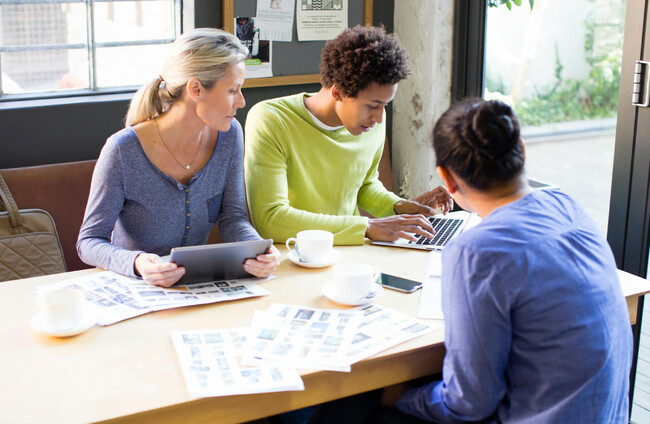

TOMORROW IS INTERNATIONAL Women’s Day and every year, on that day, we recognise trailblazing women in business, technology and leadership – and quite rightly so.
In fact, we should be celebrating women in business all year round and not just to tick the annual tokenism box. That fact notwithstanding, moments of recognition like International Women’s Day give us a great opportunity to talk about the women in Ireland who are leading in the world of business.
However, there are thousands of businesswomen who are never recognised on International Women’s Day — or any other day for that matter. Across regional and rural Ireland, women are running small businesses that contribute to the local economy, create jobs, and breathe life into their local communities. They are the food producers, the coffee shop owners, the craft makers and the local service providers who are every bit as vital to Ireland’s business ecosystem as those women in the multinational boardrooms. Yet we don’t see them profiled in the media or represented on the stages of International Women’s Day events.
Across Ireland, female entrepreneurs are turning their ideas into thriving small businesses, creating jobs and positively impacting their local economies. They are paying business rates and driving footfall into ever-declining town centres. And beyond the economic impact, female entrepreneurs are contributing to their communities in other important ways. They provide work experience opportunities to local Transition Year students, support their local charities and are actively involved in building networks to support other women in their area.
But running a business in rural and regional Ireland is not without its challenges, particularly for women. They face isolation, a lack of childcare support, and difficulty accessing finance. Many of these businesses operate in sectors like food production, agritourism, crafts, and hospitality, creating jobs that remain rooted in their communities — but these are also the sectors hardest hit by the increased costs of running a business.
Traditional funding structures don’t always fit with the types of businesses women are establishing in rural areas. Whether it’s food production, creative industries, or tourism, these enterprises often don’t fit neatly into standard investment models, making it harder for female entrepreneurs to access the funds they need to grow. The reality is that while urban-based entrepreneurs can access networking events, accelerator programmes, and co-working spaces, rural women often have to build their businesses alone, without the same infrastructure and safety nets.
Programmes like ACORNS (Accelerating the Creation of Rural Nascent Start-ups) have played a key role in supporting rurally based female founders. Since its launch in 2014, ACORNS has helped over 450 female entrepreneurs, leading to significant economic impact.
Participants in its most recent cycle, ACORNS 9, reported a 43% boost in turnover over six months, with collective revenues increasing from €2.8 million to €4 million. Employment within these businesses doubled, adding 67 new jobs to rural communities.
A significant number of regionally based women run their businesses from home, yet these enterprises are often dismissed as merely “side hustles” rather than viable economic contributions. This mindset needs to change.
With the rise of digital technology and remote work, home-based businesses have unprecedented opportunities to expand their customer base far beyond their local area.
We at Enterprise Nation carried out a survey recently and found that more women than men are planning to start-up as a side hustle alongside a current job or caring responsibilities. Home-based businesses are not only financially sustainable, but also offer women the flexibility to balance work and family life — something that remains a major concern for many female entrepreneurs.
With the right support, home-based businesses could become a major driver of rural economic growth, opening the opportunity to start and run a business from anywhere. However, small businesses are in danger of falling behind when it comes to the adoption of digital technology, a problem that needs to be addressed urgently.
Despite their contributions, regionally based women entrepreneurs remain underrepresented in mainstream business discussions. Their stories need to be told — not just to celebrate their achievements, but to encourage the next generation of female founders in towns and villages across the country.
If we want more women to take the leap into entrepreneurship, we need to showcase the ones who are already making it work and highlight the practical supports that could make it easier for others to do the same.
By giving female founders in regional Ireland the recognition and support they deserve, we can ensure that their businesses — and the communities they sustain — continue to thrive.
Joanne Mangan is the Ireland Country Manager at Enterprise Nation, a small business community and support platform supporting people to start and grow their own successful businesses.
To embed this post, copy the code below on your site














have your say