Sign in. It’s quick, free and it’s up to you.
An account is an optional way to support the work we do. Find out more.
Sign in. It’s quick, free and it’s up to you.
An account is an optional way to support the work we do. Find out more.
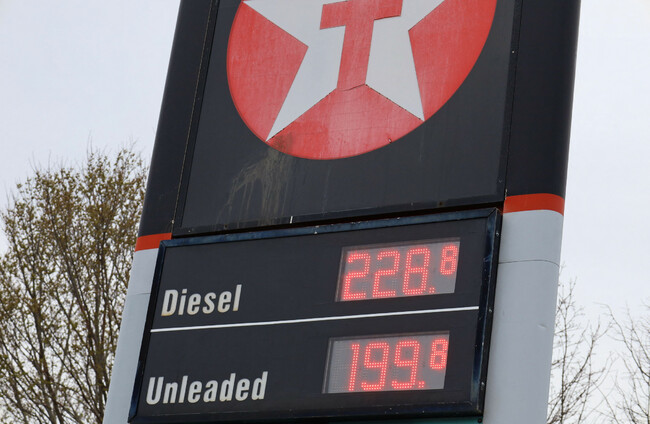
FUEL PRICES ARE expected to drop from today at forecourts across the country, as an excise duty cut on petrol and diesel comes into effect.
It’s one of a raft of measures in Government’s emergency €250m package aimed at easing pressure on households as fuel and oil prices surge in reaction to the war in Iran and uncertainty over the Strait of Hormuz, through which about 20% of the world’s crude oil is transported.
The cut – 20c per litre on diesel and 15c on petrol – came into effect at midnight. It does not apply to existing stock at forecourts but only to new fuel arriving to the consumer-facing stations from depots.
This means there could be a slight delay at some stations in seeing the cut realised. CEO of the Convenience Stores and Newsagents Association Vincent Jennings yesterday told The Journal it will take between two and ten days for existing stock to be sold at filling stations, depending on how busy they are.
Separate to the cut, the National Oil Reserve Agency (NORA) levy of 2c per litre is to be suspended, although this will need separate legislation and is yet to come into place. These measures are currently set to run until the end of May.
For hauliers and bus operators, a diesel rebate scheme was agreed which is to be backdated until January.
The cost of home heating oil, which has also seen hefty increases in price since the current conflict in the Middle East ignited, is hoped to be mitigated by a one-month extension of fuel allowance payments to pensioners, carers, and those with a disability. This will be until the end of April.
The suite of measures was voted through in the Dáil last night, with the chamber – excluding Sinn Féin, which said the package didn’t go far enough – voting in favour.
Taoiseach Micheál Martin described the package as “targeted, temporary, affordable intervention”.

To embed this post, copy the code below on your site













have your say