Sign in. It’s quick, free and it’s up to you.
An account is an optional way to support the work we do. Find out more.
Sign in. It’s quick, free and it’s up to you.
An account is an optional way to support the work we do. Find out more.
LAST UPDATE | 14 Aug
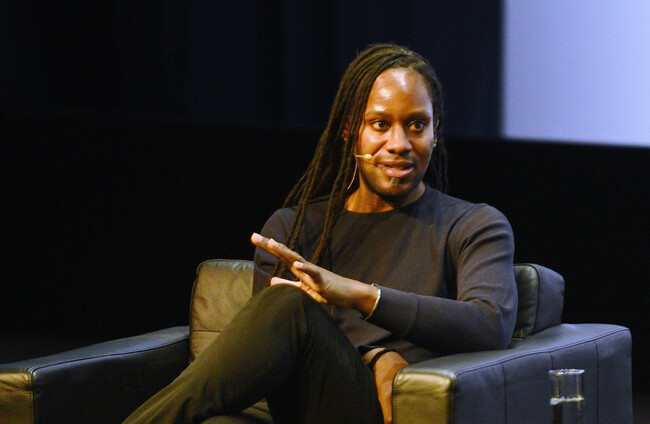
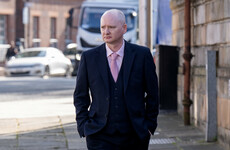
JASON ARDAY, THE former University of Cambridge professor who resigned last week following accusations of plagiarism, has died.
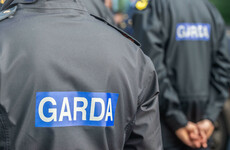
The Metropolitan Police said officers attended a property in Battersea, south London, where the academic lived, at 3.12pm this afternoon following a call by the London Ambulance Service.
“Sadly, a 41-year-old man was pronounced dead at the scene,” the police said in a statement.
“His next-of-kin have been informed and are being supported by officers.
“At this time his death is being treated as unexpected, but is not believed to be suspicious. The case is being investigated by officers from the Met’s Central South Command Unit. A file will be prepared for the coroner.”
In a statement issued by his publisher Simon & Schuster UK this evening, Arday’s family said they are “in shock to have lost this amazing father, partner, brother, uncle and son”.
His family said Arday was subjected to “a campaign of sustained abuse for the more than three years since he accepted the role of professor at Cambridge University”.
“The campaign of misinformation was too much for Jason, who was a gentle man and who always wanted to see the best in everyone.
“We won’t comment further at this point beyond asking the press to leave us alone now, and to stop the campaign of harassment which has been waged against Jason and his family for too long.”
University of Cambridge Vice-Chancellor Professor Deborah Prentice said she was “desperately saddened” by Arday’s death.
“Our heartfelt sympathies go to Jason Arday’s family and friends at this incredibly difficult time,” she said in a statement.
Arday, a professor of sociology of education who became Cambridge’s youngest black professor in 2023, resigned last week amid questions over his academic integrity, including allegations that he committed plagiarism during his PhD studies.
He repeatedly denied all accusations of plagiarism. An investigation at Liverpool John Moores University, where Arday completed his doctorate, cleared him of any wrongdoing.
Further questions were asked in the UK media about the truth of other claims he made, including saying he ran 600 miles in six days and that he had raised £5.5 million (€6.44 million) for charity.
Durham and Glasgow universities are investigating the circumstances around Arday’s appointment to academic posts there and Cambridge’s Jesus College accepted his resignation from his fellowship.
In an open resignation letter, Arday said that the “only way to bring this chapter to an end is to step away”.
He said: “This decision should not be interpreted as a loss of faith in scholarship or in the values that first brought me to Cambridge. Nor should it be mistaken for an acceptance of the narratives that have surrounded me.
“It is simply the decision of someone who has reached the limits of what any person should reasonably be expected to endure.”
Over the weekend, he cancelled events promoting his forthcoming memoir.
Publisher Simon & Schuster previously said that the book, Great And Unfortunate Things, would be published in the UK on 27 August.
This week, Cambridge University said it would run an independent review of “all relevant processes” alongside an investigation into how Arday was appointed by its Faculty of Education.
Last week, the university confirmed it would continue its investigation into the circumstances around Arday’s “appointment and tenure” after he quit, adding that findings will feed into a review of the process for appointing senior roles.
Dozens of academics at the prestigious institution signed a letter calling for an independent inquiry into the processes around his appointment.
Prentice announced the independent review on Thursday, saying it would operate independently but alongside the investigation into the circumstances around Arday’s appointment and time at Cambridge.
In an update on Wednesday, Prentice said that the investigation into Arday’s employment would be carried out “independently by senior academics from within and beyond Cambridge”.
She added: “In light of the focus on this troubling case and the widespread commentary around it, I want to be very clear that we do not need the outcomes of an investigation to clearly and loudly affirm that our staff of colour are highly valued, for their scholarship, their achievements and the contributions they make to the institution and the wider academic community.
“This particular case is an aberration and should not be used to cast aspersions on their work or the legitimacy of their roles at Cambridge.”
Professor Priyamvada Gopal, professor of postcolonial studies at Cambridge’s English faculty and one of the signatories who called for an independent inquiry, told the Press Association last week that Arday’s case had “acted as a gift to people and forces who have been targeting equality, diversity and inclusion in universities for a long time now”.

To embed this post, copy the code below on your site








have your say