Sign in. It’s quick, free and it’s up to you.
An account is an optional way to support the work we do. Find out more.
Sign in. It’s quick, free and it’s up to you.
An account is an optional way to support the work we do. Find out more.
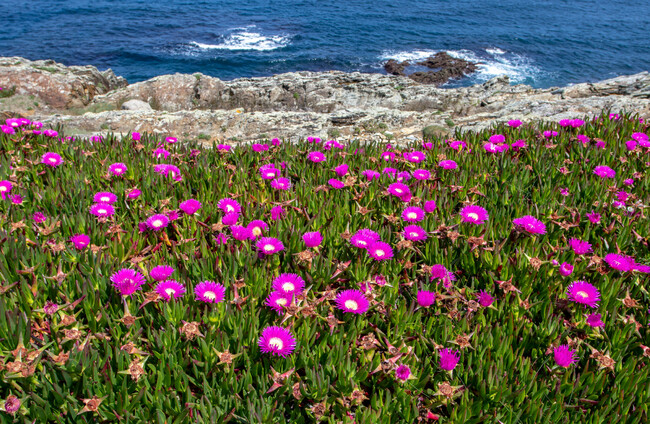

THE LOCAL GARDEN centre or nursery is not quite the place we imagine when it comes to wildlife crime.
But lurking among the flower power are some species which cause havoc in our wider environment. They may look innocent but delight in the prospect that as soon as we bring them home, their triffid natures become apparent and they are all too happy to romp and jump garden fences to make new homes in the wild.
We may not immediately think this is a bad thing – some have bright and colourful flowers, they add to diversity and brighten up the place, some might say. However, they really do cost us a lot in terms of loss of our local species and biodiversity.
There is plenty of evidence to show this and this loss of local biodiversity is highlighted as a national emergency.
It also costs in terms of cold hard cash. Funding for invasive plant species clearance comes from the public purse, our property taxes and government funding, as various councils and state departments battle with swathes of rhododendron and giant rhubarb in our national parks the last bastions of Irish nature.
We really don’t need to be wasting our hard earned cash on future clean ups caused by our innocent visits to the nursery or garden centre and plant swapping with our friends.
Figures show that Connemara National Park spent over €500,000 and Killarney National Park, where the battle continues and is being won, has an estimated spend of over €2.7 million. All this for a purple flower sold and spread around gardens since the 1760s.
Very shockingly, I still found four suppliers for this regulated invasive Rhododendron ponticum online.
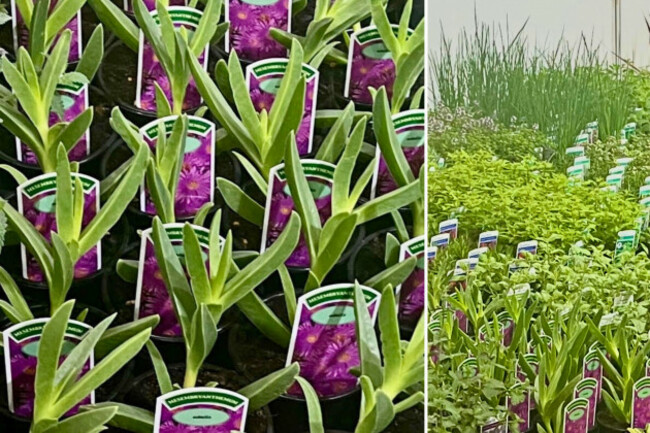
Like Rhododendron ponticum, some of these thuggish species are recognised and regulated under Irish law. But many, that we now know are an issue in the wild, are still shockingly not regulated.
At a few recent horticulture events, I found myself muttering in my inner Victor Meldrew: ‘I don’t believe it!’
I sat watching the ‘pretty’ pictures and discussions on known regulated species – wildlife crimes in plain sight.
When I hit at tipping point, I piped up about the new regulation and was met with a wall of “ah sure isn’t this bureaucracy gone wild”. This isn’t bureaucracy gone wild. It does not go far enough in my opinion.
I have tried to find some of our rarest plants while dangling from ropes and standing in ditches on coastal cliffs in special areas of conservation in Dublin and Mayo. But instead I have found myself being swallowed whole by marauding stands of giant rhubarb or the snake like mats of Hottentot fig.
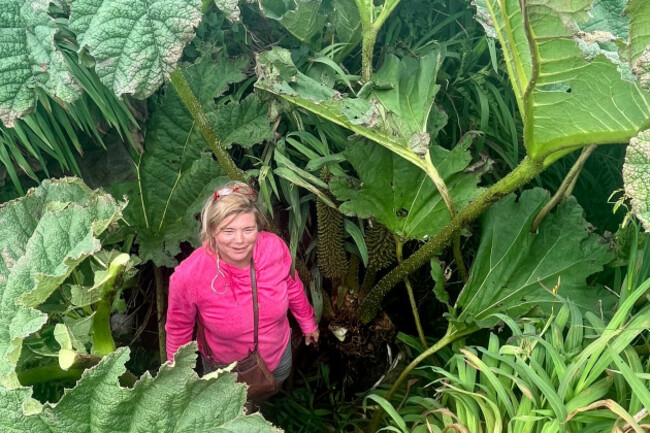
Those are just a few examples of the growing list of regulated invasive plant species which are now controlled in Ireland. The full list can be found under a new Irish Statutory Instrument from last year.
Under this law it is an offence to introduce, keep, breed, import, export, place on the market, use, exchange, reproduce, grow, cultivate or release these invasive alien species into the environment.
What this means in reality is that the plants on this list are not allowed to be in horticultural trade, to be grown in gardens, be swapped around or allowed to escape. Yes, that includes what you do.
I also see plenty of thug species in trade which are not regulated under Irish law such as bamboo, some cotoneasters and cherry laurel.
It is of note to highlight here that the volunteer citizens of this country in their Assembly on Biodiversity loss recommended: “The State must act immediately to put a timeline on the phasing out of, and eventual ban of, the sale of invasive species, e.g. Cherry Laurel.”
I have seen invasive cherry laurel destroying one of the most amazing sites and populations of one of our rarest Irish plants – the Killarney fern.
We really need all sectors and agencies involved in plant trade and nature conservation in Ireland to join forces to help enforce and raise awareness of invasive species from the grower, to the landscape designer and the gardener.
To help with awareness, the National Biodiversity Data Centre has a handy picture guide of the regulated invasive species. There is also a lot of information on a dedicated ‘Invasives’ site run by the centre, including a list of what people can do to help.
Noeleen Smyth is a botanist and chartered horticulturist. She is an assistant professor in environmental and sustainable horticulture at University College Dublin (UCD) and acts as the CITES National Scientific Authority for Ireland.
To embed this post, copy the code below on your site













have your say