Sign in. It’s quick, free and it’s up to you.
An account is an optional way to support the work we do. Find out more.
Sign in. It’s quick, free and it’s up to you.
An account is an optional way to support the work we do. Find out more.
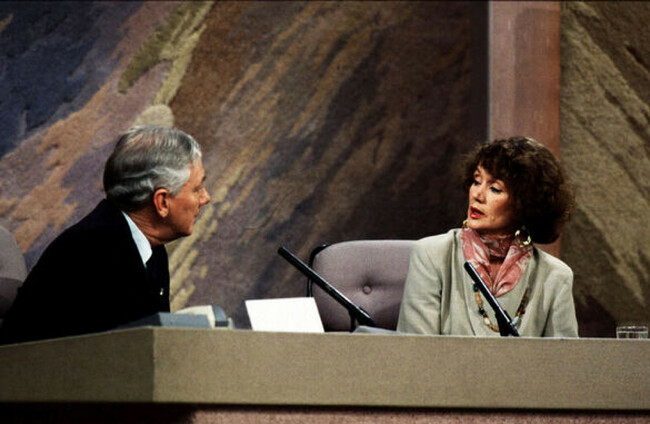

THE FLUORESCENT GLARE of high-voltage studio lighting illuminates the latest home-grown hero, politician, or international star.
Beside them, an enthusiastic host, nestled behind a mahogany desk, gently coaxes an engaging anecdote from their guest.
An engaged audience watches on, occasionally interrupting the rhythmic flow of the interview with laughter, gasps, or cheers. Meanwhile, the producer warns the host through their earpiece, ‘Time is running out.’
The presenter tactfully wraps up the segment and thanks the guest; the crowd rises to their feet. The show goes on.
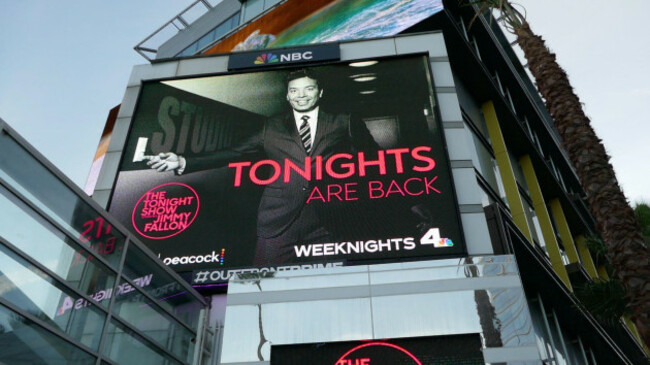
From Fallon and Carson to Colbert and now Kielty, the TV chat show is ingrained in the DNA of broadcasting and wider culture. Tonight, Patrick Kielty returns for his second season as host of The Late Late Show. Kielty took the reins from Ryan Tubridy after much upheaval last year.
A bona fide Irish institution, The Late Late has entertained audiences for over 62 years—a feat only bested by The Tonight Show in America. From the former European Commissioner Pee Flynn’s infamous interview about the hardships of owning three homes to the launch of Boyzone, the Friday night ratings winner has constantly remained at the forefront of public discourse.
Viewing habits are changing, though. Back in June, a report from Reuters detailed how online news had become more popular than TV news for the first time in Ireland. Now, all the prominent late-night shows in America air four nights a week instead of five.
Traditional broadcasters are also feeling the pinch. The Warner Bros. Discovery media conglomerate recently discovered it had overvalued its TV networks by $9.1 billion. Closer to home, ITV cut 200 jobs earlier this year, while the BBC and Channel 4 are also looking to make savings, not to mention declining licence fee revenue for RTÉ.
While streamers have experimented with chat shows of their own, they’ve never held the same prominence as their TV counterparts. So, is this cultural touchstone, which was once a visual embodiment of the zeitgeist, now becoming a relic of the broadcasting age?
The chat show, or talk show as it is known in the US, is believed to have begun in New York in 1951. Bronx native Joe Franklin interviewed a variety of celebrity guests and idiosyncratic New Yorkers from his basement studio on West 67th Street. The Tonight Show with Johnny Carson soon followed in 1962 and embedded many facets we associate with US talk shows today, such as the opening monologue, celebrity guests and musicians.
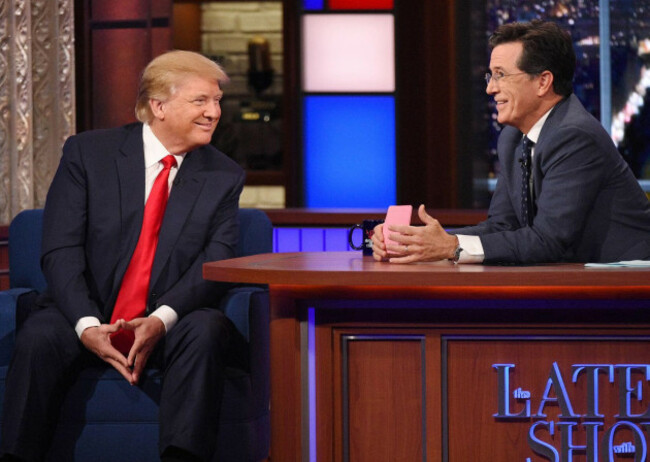
These shows were cheap to produce and brought in huge advertising revenue for the US networks, ensuring that the genre proliferated to virtually every corner of the globe.
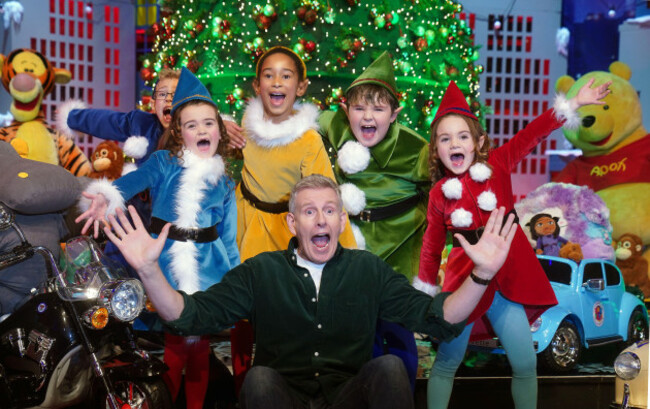
As the decades passed, audiences were treated to Conan O’Brien’s acerbic wit, Graham Norton’s Red Chair, and Gay Byrne’s humanity. Oprah Winfrey gave everyone a car, Dakota Johnson called out Ellen, and The Late Late Show reunited a family on The Toy Show.
Major streamers like Netflix and Disney Plus have adopted the format to varying degrees of success. Despite experienced presenters and bankable guests, shows like My Next Guest Needs No Introduction with David Letterman and Turning the Tables with Robin Roberts lack the frisson of a celeb-stacked couch on The Graham Norton Show.
They also lack the relevance that live TV offers through a timely opening monologue or a topical guest.
Perhaps, the chat show is evolving. Amelia Dimoldenberg, creator of Chicken Shop Date on TikTok and Instagram, interviews the latest celebs as they tuck into fast food. The social media star has sat down with everyone from Sabrina Carpenter to Paul Mescal.
Elsewhere, Sean Evans’s YouTube talk show Hot Ones features some of the world’s biggest stars who chat about their latest blockbuster movie or album while eating increasingly spicy chicken wings.
While these shows are hugely popular, easily accessible online, and very entertaining, they cater to a very particular type of interview. Where else outside the confines of a TV chat show could viewers be transfixed by Gay’s interview with Annie Murphy or simultaneously heartbroken and angered as cervical cancer campaigner Vicky Phelan shares her story with Ryan Tubridy?
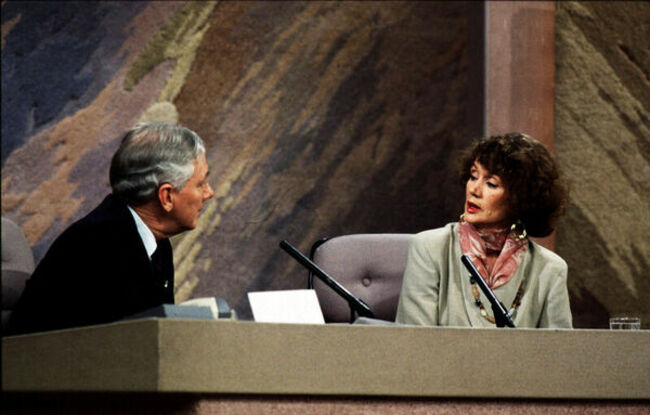
Live TV also possesses a certain allure. Anything can happen. Gay Byrne and the Late Late audience were floored when a competition winner revealed live on air that she had lost her daughter since entering.
In a masterclass in empathy, Byrne skillfully sympathised and chatted with the woman, weaving his guests into the conversation as the nation held its breath.
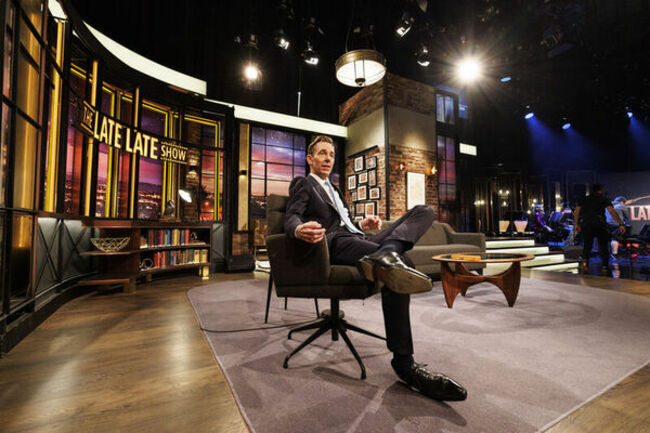
It is conceivable that how audiences interact with TV chat shows may have changed. All the major shows, both at home and abroad, possess a strong presence on social media, allowing viewers the option to dip in and out. Sure, it may not be live, but it was filmed that way.
So hopefully, as trends change and technology advances, there is still room for a polished floor, an eager audience and a well-prepared presenter armed with an arsenal of polite, punchy, and probing questions. That’s all we have time for.
Luke Mulcahy is a journalist, writer and producer.
To embed this post, copy the code below on your site













have your say